January 6, 2014 | Read Time: 3 minutes
This article is part of our Outlook 2014 package. See more advice and ideas for the year ahead in our special section.
Boy Scouts of America
Fallout continues from its new policy on gays
The Boy Scouts will have to work hard in 2014 to keep members and donations stable after it decided in May to allow gay Scouts under age 18 to join, while preserving its ban on gay adults as troop leaders and in other roles.
Religious groups sponsor 70 percent of the group’s 116,000 troops and packs, and some of those organizations, such as the Assemblies of God, have cut off financial support because of the decision to allow gay youths. But the Scouts must also deal with supporters who are angry that gay adults can’t participate in the organization’s work. Lockheed Martin announced last month that it would withdraw its support for that reason.
Central Asia Institute
Rebuilding giving after the ‘Three Cups’ scandal
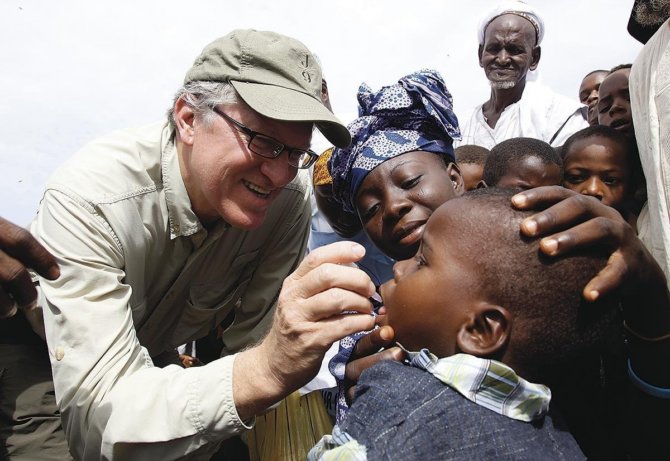
David Starnes, who was hired last year to run Central Asia Institute, founded by Three Cups of Tea author Greg Mortenson, plans to take action soon on what he learned in recent months as he traveled the country asking experts how best to restore the tarnished reputation of the organization, which builds schools in Afghanistan, Pakistan, and elsewhere. His challenge is urgent: Donations to the charity dropped one third in 2011, when Mr. Mortenson was accused of misusing the charity’s money and misleading readers in his books, and then plummeted 73 percent in 2012 as Mr. Mortenson and the charity settled with Montana’s attorney general, clearing the way for Mr. Starnes’ appointment.
Girl Scouts of the USA
Shaky finances and staff cuts complicate a $1-billion drive
Membership dropped 20 percent from 2003 to 2012, causing losses of adult volunteers and placing severe pressure on the group’s finances. Those problems, plus a massive pension liability and challenges in fundraising, forced the organization to cut the staff at its national headquarters by 25 percent last year.
In 2014, watch to see how much progress the organization can make in its efforts to raise $1-billion by 2017—with the help of the first lady, Michelle Obama, the charity’s honorary president.
Susan G. Komen
A founder and a new CEO work to rebuild a troubled charity
The breast-cancer charity’s major misstep in 2012—when it cut off support to Planned Parenthood and then reversed course—reverberated throughout last year as participation in Komen’s fundraising events declined. Even though the group’s founder, Nancy Brinker, stepped down as chief executive, she prompted some of the organization’s most-generous donors to stop giving to the charity by remaining a lifetime member of the board’s executive committee, which effectively governs the group. She also has a new title, chair of global strategy.
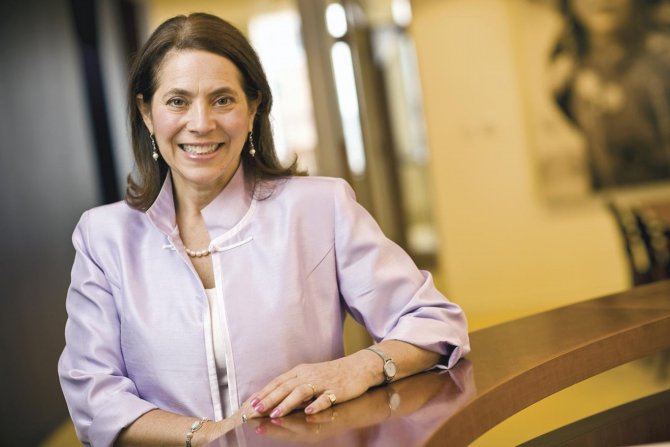
The new year will tell whether the group will rebound and how the founder and the new chief executive, Judith Salerno, will work together.
Livestrong Foundation
After ousting a disgraced founder, a charity faces an uphill climb
The charity knew 2013 was going to be a tough year for raising money after the group’s founder, Lance Armstrong, was forced out. But 2014 will be the first year that Livestrong will also be operating without the support of Nike, which had raised $100-million over nine years for the organization.
Doug Ulman, the nonprofit’s chief executive, and the rest of the charity’s staff are seeking to find new supporters and rebuild trust with longtime donors. Much of their work will be conducted online and with social media as they reinforce the nonprofit’s mission: helping people with cancer thrive.