A Charity Leader Emphasizes Self-Reliance to Gulf Coast Storm Victims

By NICOLE WALLACE
Features Editor
August 8, 2010 | Read Time: 2 minutes
Bill Stallworth, a Gulf Coast nonprofit leader, says that his biggest challenge in the years since Hurricane Katrina has not been keeping up with the grueling workload but fighting the temptation to try to solve his neighbors’ problems. Instead he has sought to help them learn to tackle challenges on their own.
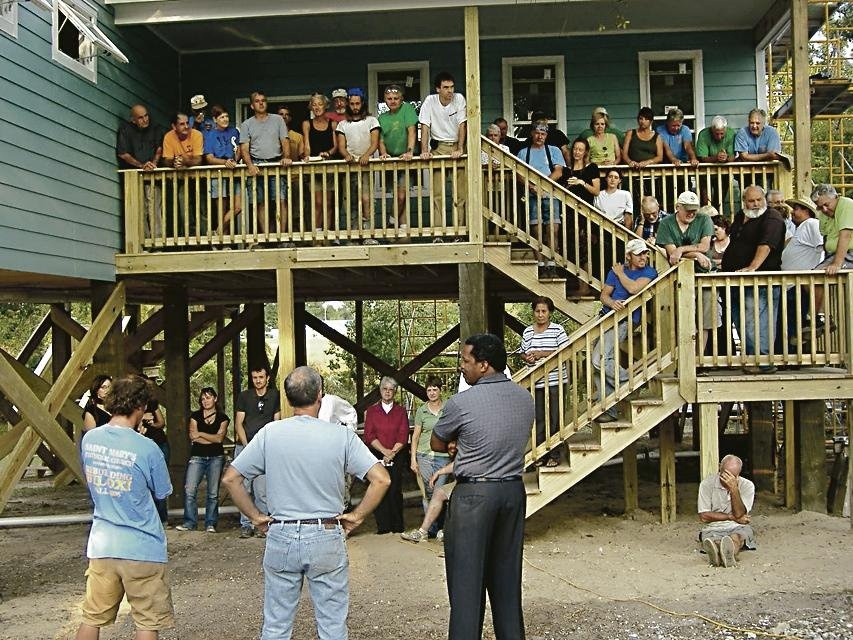
In the days after the storm inundated East Biloxi, Miss., Mr. Stallworth started the organization that has become Hope Community Development Agency, first to provide emergency relief and then to help the neighborhood’s low- and moderate-income homeowners rebuild.
So far, the group has built 75 homes from scratch and helped residents rehabilitate 750 damaged homes. Over time, Hope’s mission expanded to include advocacy, helping residents express their views on the city’s planning process and other local policy issues.
Helping, Not Doing
In Hope’s early days, the organization gave too much away, says Mr. Stallworth, who also serves as a member of Biloxi’s city council.
He wishes that his group had been more stringent in requiring the people it served to contribute to rebuilding their homes. Not only would that have allowed the charity to help more people but it also would have made people feel more invested in the process and provided a form of therapy, he says.
Too often nonprofit groups and well-meaning philanthropists approach service from the perspective of “we’re here to do it for you,” says Mr. Stallworth. “It should be, We’re here and understand you can’t do it all by yourself,” he says. “I’m here to pass you the hammer, and you do the hammering. And if you can’t reach it, I’ll get you a stepladder.”
It hasn’t been easy for Mr. Stallworth—who describes his leadership style as “take-charge”—to quell the instinct to do things himself. But he says that developing the ability of the residents to tackle problems on their own is absolutely critical for the long-term sustainability of East Biloxi.
“Is it frustrating? You wouldn’t believe,” he says. “But at the end of the day, is it worth it to see the results as people grow? Oh, the sense of accomplishment there is unbelievable.”