

May 18, 2014 | Read Time: 2 minutes
Philanthropies and wealthy donors are increasingly interested in channeling portions of their endowments and grants to businesses that do good, and they are also looking to pursue other efforts to transform society that go beyond traditional grant making. A new book by two prominent foundation leaders offers guidance.
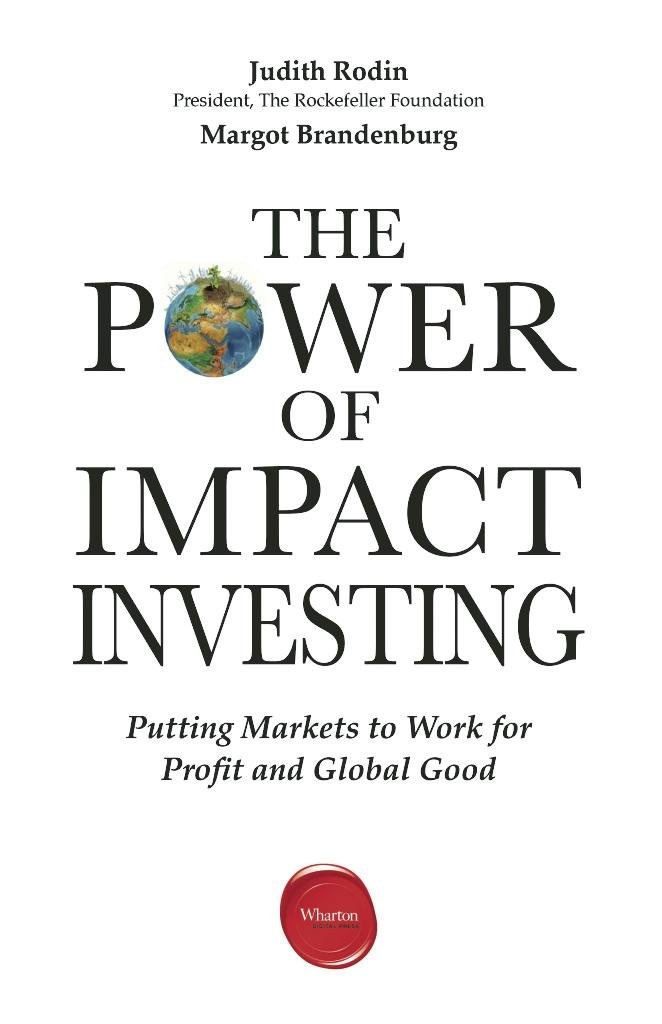
In The Power of Impact Investing: Putting Markets to Work for Profit and Public Good, Judith Rodin, president of the Rockefeller Foundation, and Margot Brandenburg, a fellow at the Nathan Cummings Foundation, explain the investments that foundations can make to generate a financial return and advance a foundation’s mission at the same time. Besides describing available opportunities and how to pursue them, the authors show how to measure results and how to invest around the world.
Philanthropy must adopt new approaches to solving social ills, says Ms. Rodin, because foundations by themselves don’t have enough assets to make a difference. Impact investing is becoming an important tool for foundations, she says: “The trillions of dollars in the private market, if they were unlocked, might tip in the favor of having enough money.”
– – –
Adam Braun left his financial-consulting job at age 24 and, with only $25, started his own charity, Pencils of Promise, which builds schools in developing countries.
In his new memoir, The Promise of a Pencil: How an Ordinary Person Can Create Extraordinary Change (Scribner), he shares lessons he has learned in running the organization and stories of his travels to poor countries.
Mr. Braun describes his nonprofit’s early days, including the struggle of raising money during the economic collapse of 2008. For the first three years of the group’s operation, he writes, he did not ask for money, fearing rejection.
Mr. Braun emphasizes the significant role that grass-roots efforts have played in building Pencils of Promise. Many donations came from people who held their own fundraising events, netting as little as $25 to as much as $50,000. Social-media savvy has also been important—the group currently has 239,000 followers on Twitter.
But, as Mr. Braun writes, that does not replace traditional fundraising. “Building an engaged, dedicated donor base is essential to long-term success, and most major donors prefer to be asked for their support directly.”




