March 4, 2012 | Read Time: 3 minutes
When employees at the Charlotte Mecklenburg Library in North Carolina learned that the county government planned to slice its support in half due to a budget shortfall, they didn’t simply accept their fate.
They logged on to Facebook and Twitter.
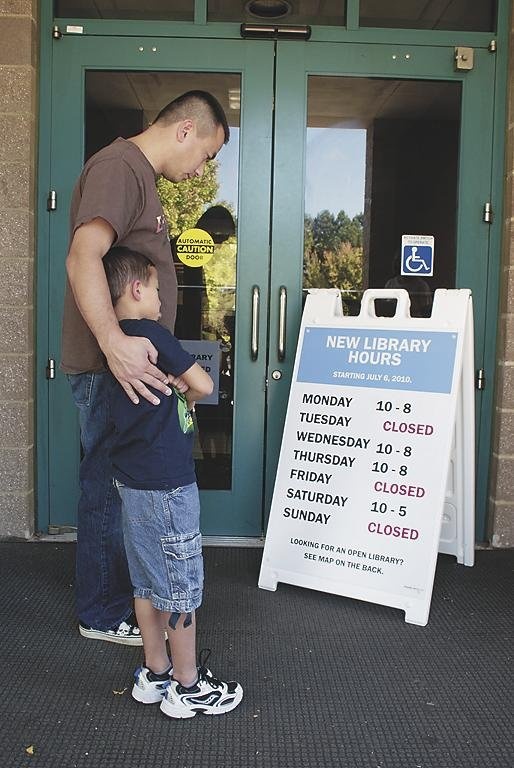
In turn, they managed to enlist enough support from patrons to persuade officials in their county to alter a plan that would have closed 12 library branches in the 2011 fiscal year. Instead, the county closed just four branches and reduced the hours at others to help manage costs.
“Our patrons, largely through social media, said ‘No way,’” says Jenifer Daniels, a communication and marketing specialist at the library. “We would have never been able to express that so fully and quickly without social media. For some of the other agencies in town, their voice was silent on social media, and I think the quality of programming has suffered because of it.”
The library continued its social media efforts in 2011 and was able to extend its hours in September after the county decided to expand its budget for the 2012 fiscal year.
Here’s what Ms. Daniels says worked:
Get Your Whole Team Working Together
When the library learned of the plan for the budget cuts, Ms. Daniels checked to find out who on the staff had social-media accounts. She then created formal policies that set guidelines for how staff members should use social media and how they should address questions about the budget. Those policies were important to help prevent the spread of incorrect information, but the approach was controversial.
“Most of the staff understood, but to this day there is still some pushback,” she says. “Obviously, librarians want to freely share information, but we had a very delicate situation. When you don’t have a unified voice, you have a ‘little bird told me’ scenario running rampant, and we needed to nip that in the bud.”
Be Open
Ms. Daniels says she and other library officials made sure they were paying attention to what was being said about the proposed cuts in social networks and attempted to respond to these conversations with quick, clear, and factual posts.
“We engaged people in the process, let their voices be heard, and then we were transparent in our responses and information we shared,” she says. “We didn’t hide anything. We put it out on the table that we had enjoyed a long period of growth and now we were facing a budget crisis and some tough decisions would have to be made.”
Report the Facts
They worked to keep the library’s supporters informed by providing live reports on Twitter from county board meetings that discussed the budget plans.
“Instead of sending a reporter to the meeting, the local paper just started to provide a link to our tweets [on its Web site],” Ms. Daniels says. “As I tweeted, I never interjected my views. It was strictly reporting the facts of what was happening. I think people who cared about the issue appreciated the transparency.”
Continue the Conversation
Even though the library was able to help guide the decision about how many branches would close, it is continuing to build support on social media. That effort helped the library push for more money from the county for 2012.
“This is an ongoing conversation,” Ms. Daniels says. “What we are doing is engaging people in the next step and letting them know we are in a transition stage. It is never going to get back to normal in terms of how the library used to be, but we have an opportunity to be involved in the process.”