A New Orleans ‘Land Trust’ Opens Doors for Low-Income Homebuyers

By NICOLE WALLACE
Features Editor
October 17, 2010 | Read Time: 3 minutes
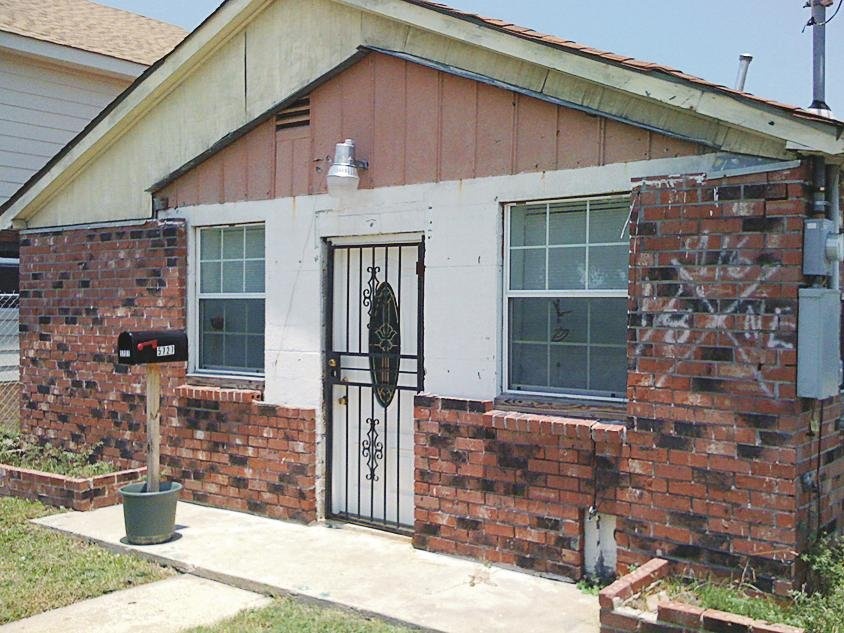
Empty lots and abandoned houses still blotch the Lower Ninth Ward of New Orleans, where the number of residents remains only a quarter of what it was before Hurricane Katrina struck five years ago.
One neighborhood group has created a “community land trust” both to tackle the issue of blight and to build low-cost housing that will remain affordable beyond just the first buyer.
“We are combining lots, building very nice houses for a very affordable price for someone who would probably not be able to get into the market,” says Patricia A. Jones, executive director of the nonprofit Lower 9th Ward Neighborhood Empowerment Network Association, or NENA.
One of the ways that community land trusts—which are gaining attention nationwide—help keep costs low for current and future residents is by separating ownership of the property from ownership of the house. “Think of a condo with a yard,” says Ms. Jones.
The neighborhood association is building homes on land that it received or bought, often from the New Orleans Redevelopment Authority. The community land trust holds the land—which the homeowner leases for $25 a month—in trust to try to prevent rising land values driving the price of the home out of reach for future low- and moderate-income buyers. Prospective homeowners then only have to buy the house.
NENA together with the New Orleans Redevelopment Authority won federal stimulus money to help homeowners fill the gap between the cost of the house and the amount of money they qualify for from a bank mortgage and the city’s homeownership-assistance program. The neighborhood association expects that in most cases it will put up an average of $30,000 per house.
But unlike the city assistance, which is forgiven over several years, the money that the neighborhood association contributes will stay with the property. So if the group puts $30,000 toward the purchase of a $120,000 house, when the owner later sells his or her home, $30,000 plus one-quarter of any profit would stay with the house to help the next buyer.
The program is designed so that, over time, one infusion of cash can help multiple buyers, even as current homeowners build wealth, according to Ms. Jones.
“We want you to be on a better footing a few years out from investing in a land-trust home,” she says. “That’s good. But we want you to give the next person the chance to do that, too.”
Providing Stability
Nationwide, the land-trust approach has done a good job of keeping people in their homes. At the end of 2009, the number of homeowners in community land trusts who were in the foreclosure process was one-eighth the national average, despite the trusts’ focus on people with low and moderate incomes, according to a study conducted by a Vanderbilt University researcher working with the nonprofit National Community Land Trust Network, in Portland, Ore.
Community land trusts provide in-depth education to prospective homeowners before they buy and continuing services after the sale, says Roger Lewis, the network’s executive director.
“When a homeowner would come with an adjustable-rate mortgage or these subprime loans, most land trusts—whether they had a rule or not—were not permitting that,” he says.
The National Community Land Trust Network is one of five large nonprofit organizations that joined together in September to start a new program, the Cornerstone Partnership, to raise awareness about government and nonprofit homeownership approaches that seek to preserve low costs.
“We actually spend enough money already that we don’t need to put enormous amounts of new money into solving the problem,” says Rick Jacobus, an official at NCB Capital Impact, a nonprofit finance institution, and director of the Cornerstone Partnership. “We just need to be smarter about how we invest that money.”