

April 15, 2012 | Read Time: 2 minutes
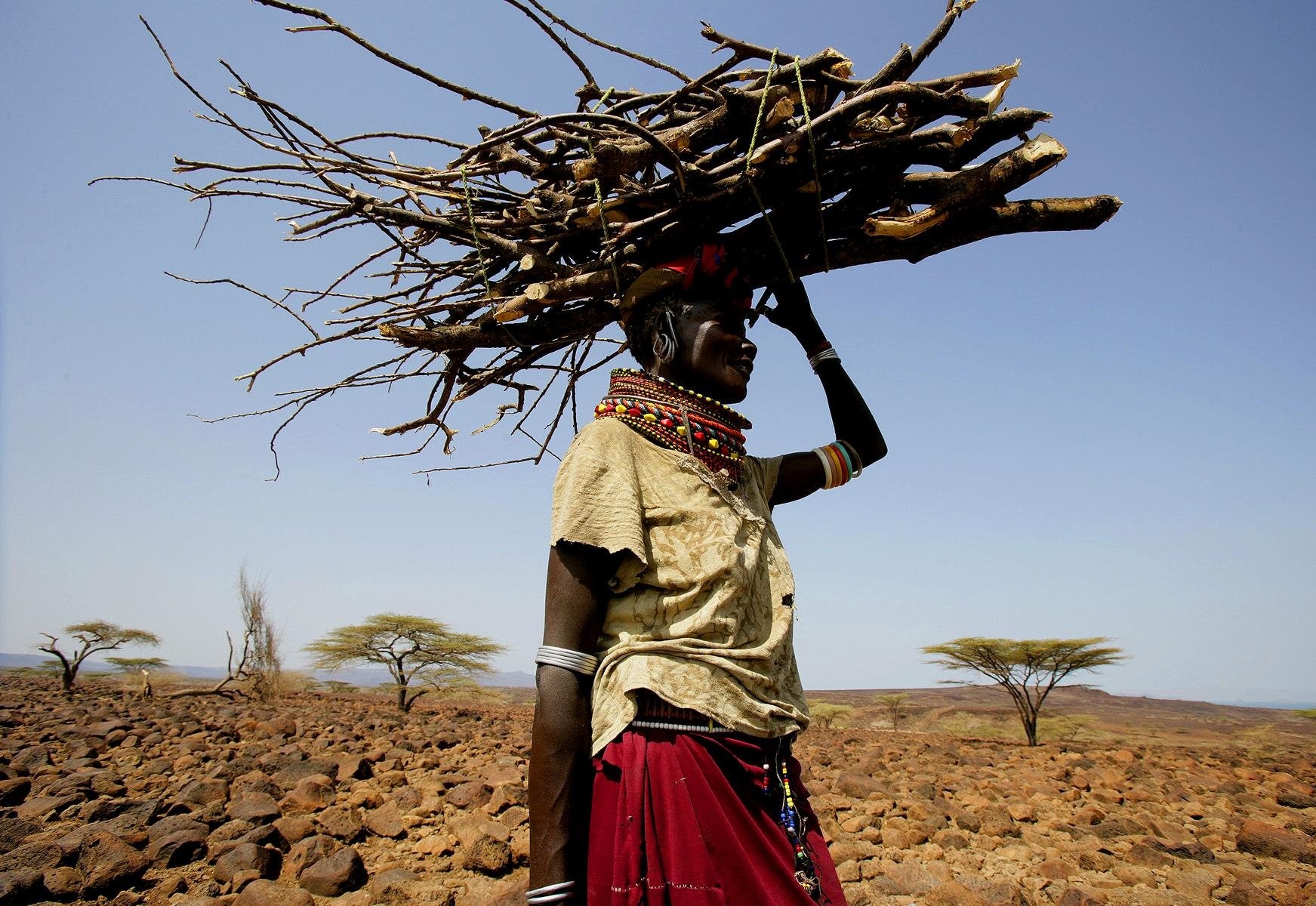
In the rural stretches of northern Kenya, women often must walk 10 miles across arid terrain two or three times a week to find firewood to fuel their family’s cooking, chop enough logs for a few days, and haul them back home. But a growing effort by an organization that sells efficient wood-burning cook stoves has been making a dent in that chore, while reducing the risk of death or health injuries to women and their families from cooking over open fires.
The Paradigm Project, which collaborates with nonprofits such as World Vision and Food for the Hungry, is on a quest to sell five million of the stoves in developing countries by 2020.
The company, started in 2009, has an unusual business approach. For every step it takes to reduce carbon gas emissions, Paradigm gets paid voluntarily by companies in the United States and other countries that are producing the polluting gases and want to reduce the taxes or penalties their governments may levy on them for polluting.
Paradigm was created as a low-profit, limited-liability company, an increasingly popular designation for businesses that operate primarily to achieve social goals.
Neil Bellefeuille, Paradigm’s co-founder, acknowledges that the business designation has its detractors, especially among people who say the company should be giving stoves away free to poor people, rather than selling them. But one of the organization’s goals is to operate in a way that produces enough profit to sustain its work.
“We are really trying to walk a new ground that creates something unique and powerful,” he says.
The organization has sold 36,340 stoves for $15 each, a price that is lower than the cost of making them and is subsidized through the revenue from the carbon-emissions transactions.
The company runs on an annual budget of about $1-million, and has a goal of raising $20-million in additional investment money by the end of 2013. Investors could earn between 15 and 20 percent on their investments if all goes as planned, says Mr. Bellefeuille. Once the company becomes profitable, Paradigm’s charitable foundation, which is awaiting Internal Revenue Service approval, would receive a share of profits, like any other investor, and provide the stoves at low cost to the needy.
Even if the company never makes a profit, he says, at least it is serving an important social need today.
Women who have purchased stoves say the appliances have saved them time and labor, says Mr. Bellefeuille. Some families are able to send their daughters to school instead of keeping them at home to collect firewood for the day’s cooking.
Still, he says, “available funding is never going to be enough to challenge the scale of the problem. Globally there are three billion people cooking over open fires, and to make a dent in that requires a tremendous amount of time and capital.”




