A New Website Serves Up 500 Years of Philanthropic History

By Alex Daniels
Senior Editor, Foundations
April 26, 2016 | Read Time: 4 minutes
Long before the Salvation Army, there was the Haseki Sultan Imaret. Established in the 16th century by Haseki Hurrem Sultan, one of the wives of Ottoman Emperor Suleyman I, this Jerusalem charity regularly fed 500 people twice daily. No one who showed up hungry was turned away, according to contemporary accounts.
Hurrem Sultan’s soup kitchen is just one piece of philanthropic history highlighted on a new website created by the National Philanthropic Trust that chronicles generosity through the centuries. It’s the latest in a line of projects by which philanthropy is shedding light on its own history.
“People think that we invented it in the U.S. — that we’re the genesis of philanthropy,” said Eileen Heisman, president of the trust, which manages $2.8 billion in assets. “I wanted to burst that bubble.”
The site, titled “A History of Modern Philanthropy,” took five years to build and depicts philanthropy as a global practice that goes back centuries.
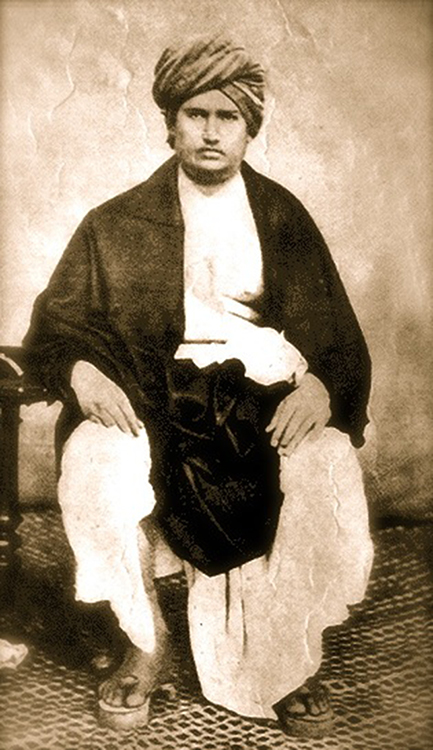
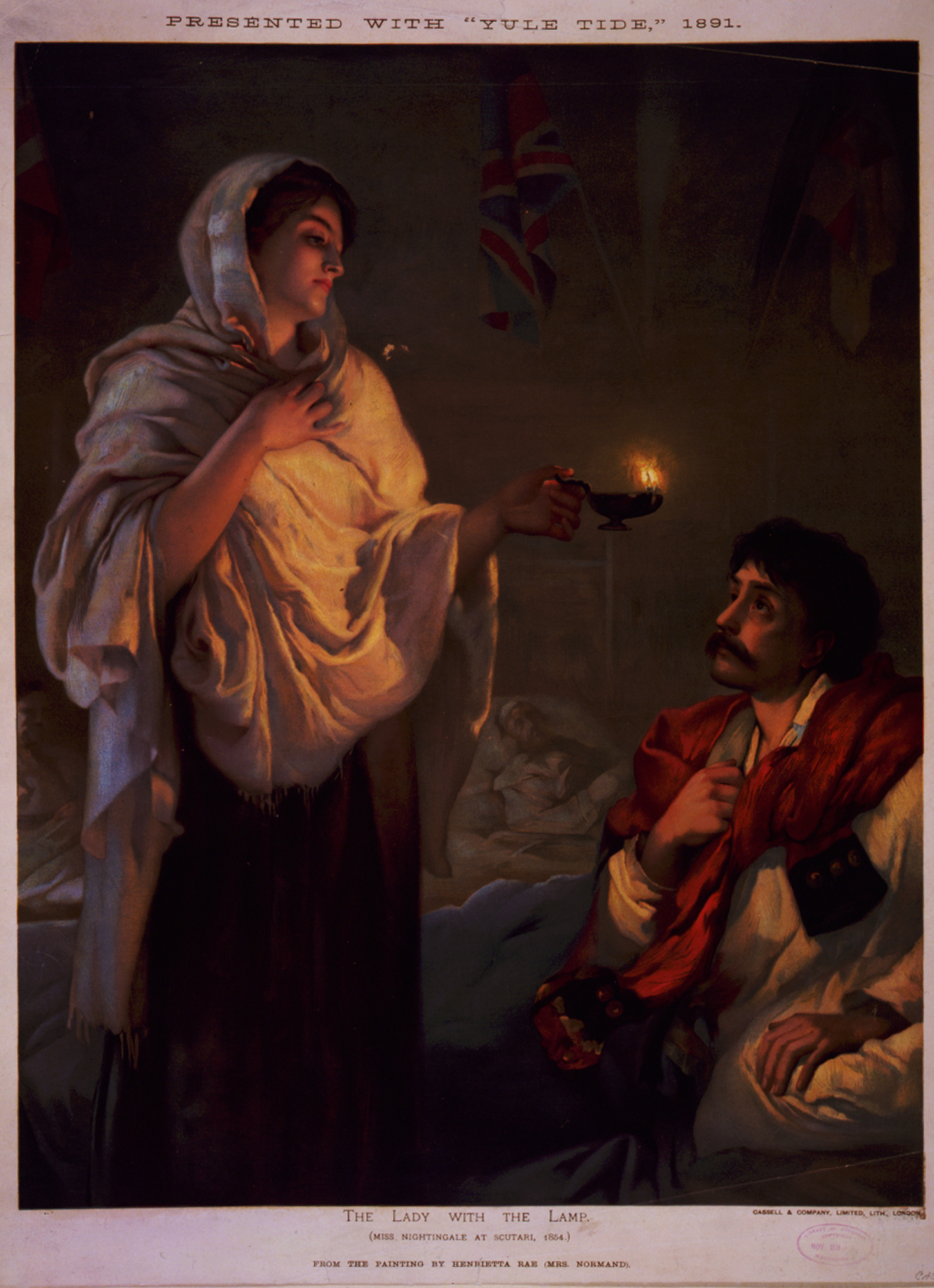
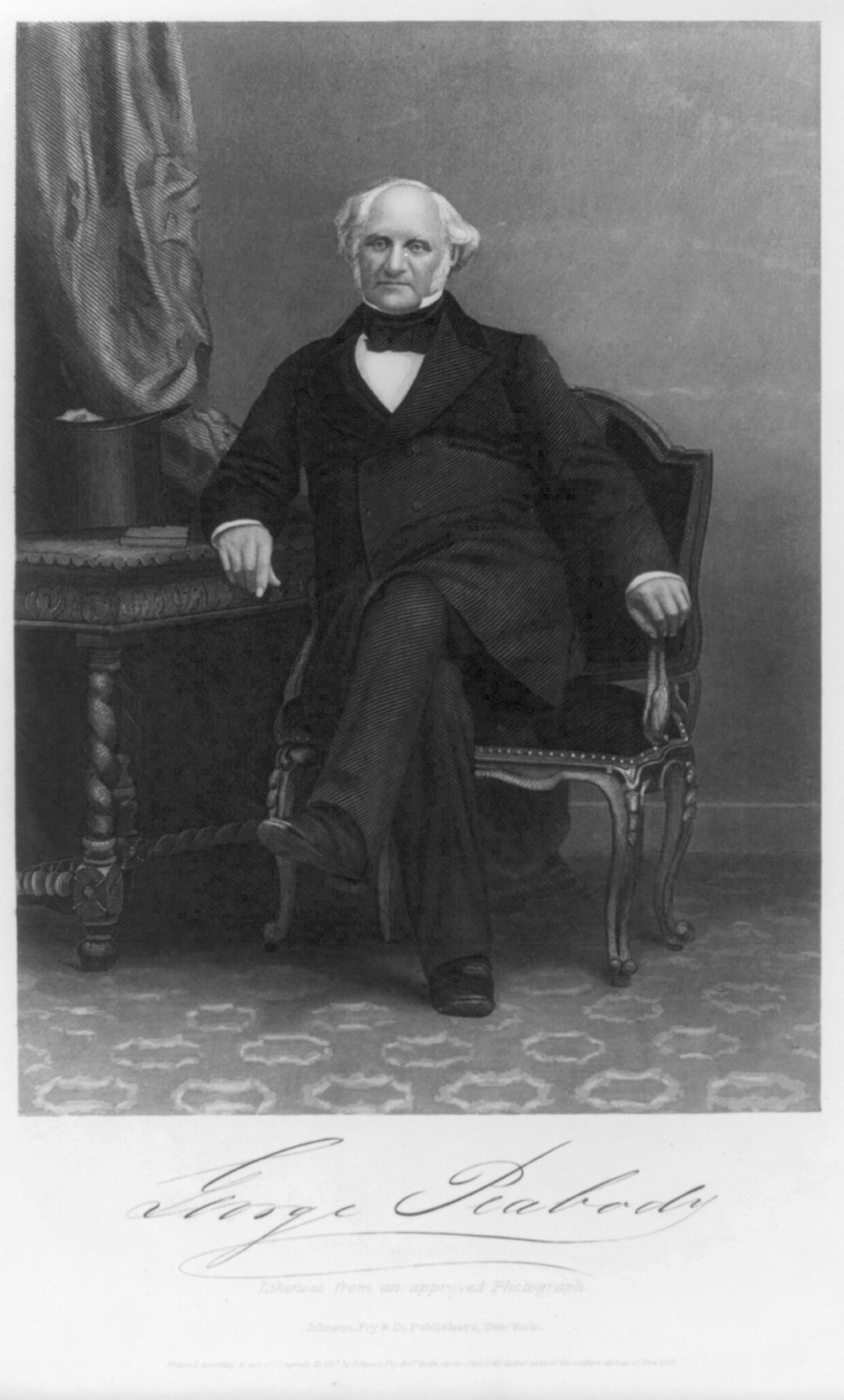
The site categorizes giving in five separate time periods between 1500 and the present and uses more than 200 audio and visual files to depict acts of kindness in different parts of world. They include a 1918 recording of the World War I song “The Rose of No Man’s Land,” dedicated to Red Cross nurses, and an 1857 photo of Swami Dayananda Saraswati, who founded the Hindu social-reform movement Arya Samaj.
Ms. Heisman came up with the idea about a decade ago as she assembled materials for a course on philanthropy she teaches at the University of Pennsylvania. Finding a dearth of suitable material, she started collect stories and images herself.
Although the National Philanthropic Trust will curate the site, Ms. Heisman hopes others contribute to it, making it an “open source” project. And she isn’t the only philanthropy expert looking in the rear-view mirror. In the past few years, other nonprofit leaders have demonstrated a deeper interest in the past.
For instance, when Ford Foundation President Darren Walker began formulating a shift in strategy at the grant maker a few years ago, one of the first things he did was comb through its archives. His research convinced him that fighting inequality — the route Ford eventually took when it announced its plans in June — was firmly embedded in the foundation’s history, making the shift an easier sell to his board of directors.
In December, the Smithsonian announced “Giving in America,” a program supported by the Bill & Melinda Gates Foundation and Washington donor David Rubenstein. Plans for the effort include an exhibition at the National Museum of American History that is slated to open in November, on Giving Tuesday. The museum will also host an annual symposium on philanthropy’s impact in areas such as education, the environment, and civil rights.
The Open Philanthropy Project has also put a spotlight on the history of giving. A joint effort by charity evaluator Give Well and Good Ventures, a foundation created by Facebook co-founder Dustin Moskovitz and his wife, Cari Tuna, the project has made about $78,000 in grants to support research into the annals of giving, according to its website.
The Open Philanthropy Project has also supported case studies that seek to divine the impact of past philanthropic efforts, and it supported the development of HistPhil, a website that uses history to shed light on current philanthropic practice.
Foundation support of such historical investigations is “woefully” lacking, according to Benjamin Soskis, a Chronicle contributor and one of HistPhil’s co-founders. But Mr. Soskis, who also has written case studies for the Open Philanthropy Project, said he’s seen a pendulum swing away from numbers-based studies of foundations’ impact and toward descriptions of how philanthropy fits into a broader historical narrative.
Interest in that history has also been kindled by younger donors, like Mr. Moskowitz, who became wealthy through their own entrepreneurial efforts rather than through an inheritance.
Heirs to fortunes often grow up imbibing the familial approach to giving, whereas recent entrepreneurs have had to consult the historical record and educate themselves, Mr. Soskis said. “They don’t have a past of their own to look to so they’re looking to the field.”
The new National Philanthropic Trust website follows a narrative of philanthropy in the United States the trust compiled to mark its 10th anniversary a decade ago. Ms. Heisman hopes the new site, which coincides with the organization’s 20th anniversary, will be used by researchers, students, and nonprofit practitioners to learn more about the history of human kindness.
“It’s not intended as a marketing tool for the National Philanthropic Trust,” she said. “It’s to promote the idea of philanthropy and to give people a sense that they are part of a much larger trajectory.”