
A Nonprofit Protects American Indians From Poverty’s Chill

By Marisa López-rivera
Contributor
January 15, 2012 | Read Time: 2 minutes
Life on the Great Plains, with its volatile weather and wide open spaces, is often a struggle for survival.
For instance, on the Pine Ridge Reservation, in South Dakota, residents face long, harsh winters, an unemployment rate of up to 85 percent, and widespread health problems. Lorraine Pourier, 66, knows this firsthand. She lives just a few miles north of Wounded Knee, the site of a famous massacre in 1890 and a major protest in 1973.
Ms. Pourier hasn’t had a working furnace for the last two years. Even if the furnace worked, she says, her limited income barely covers her electric bill, not to mention all her medications.
But she no longer suffers so much on cold days, thanks to National Relief Charities, which she learned about when one of the organization’s representatives showed up at her door to promote services the nonprofit provides.
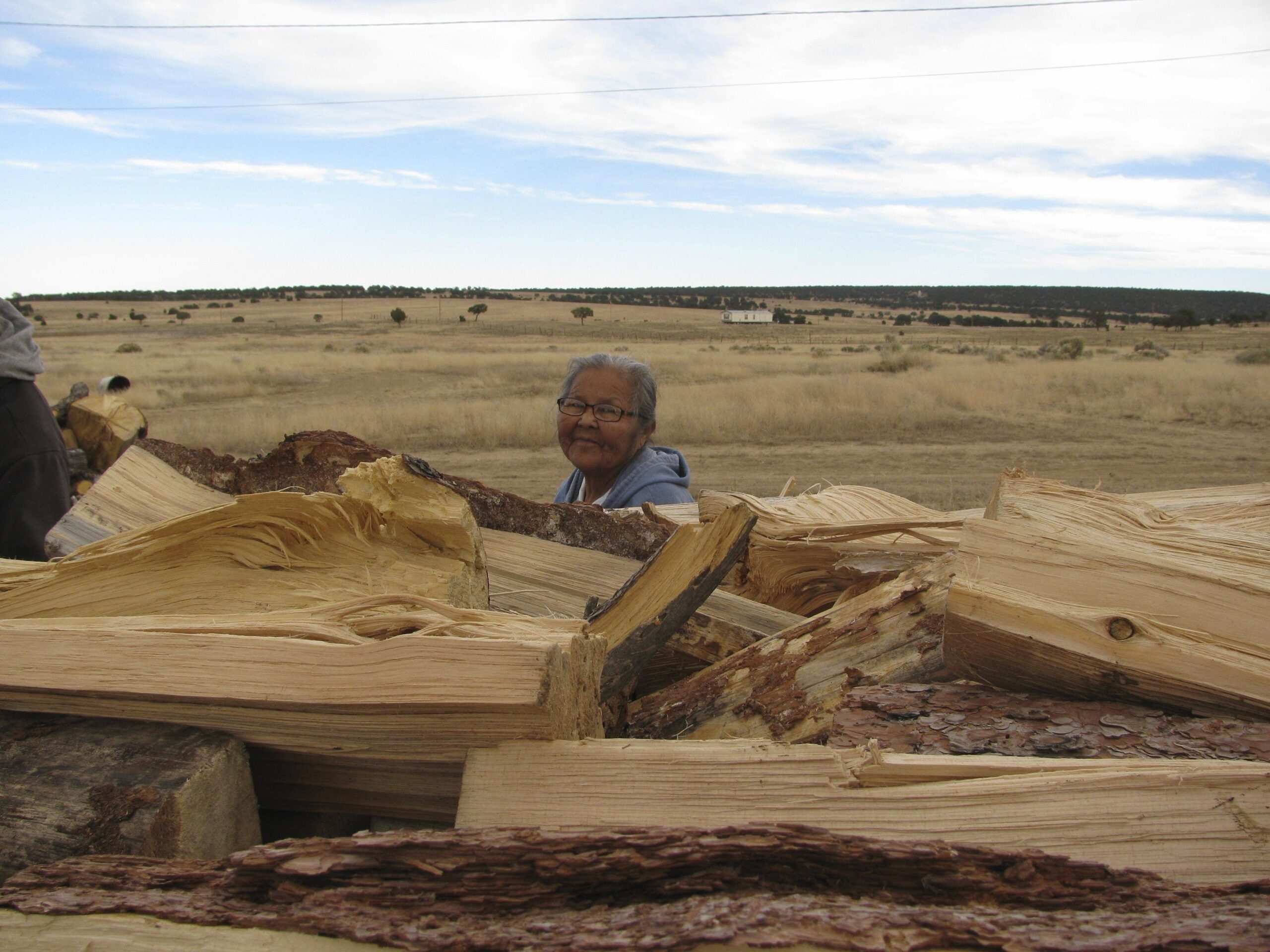
“He brought me a load of wood and a survival box” containing blankets, candles, and food, Ms. Pourier says. “That really helped me throughout the winter.” Now, Ms. Pourier has firewood delivered to her home three times during the cold season.
National Relief Charities’ winter-fuel program, which also helps people winterize their homes, serves about 9,000 people on 75 American Indian reservations in the Southwest and Great Plains.
The 20-year-old organization in Sherman, Tex., also offers basic health services for American Indians, such as diabetes and HIV screenings, because easy access to health care is not available near most reservations. In addition, the organization provides college scholarships and even school supplies to young people, since so many residents of the reservations are too poor to buy pencils for their children. Altogether, the charities’ programs aid 300,000 people a year.
National Relief Charities operated on $45.2-million last year. About half of the group’s support comes in the form of products and services donated by corporations and other charities, supplemented by cash donations mostly from individuals.
Many of the volunteers and workers at groups that collaborate with National Relief Charities live in the communities they serve. One of those workers, Karen Red Star, says her dream is to someday have the transportation that she and others need to reach all those who need aid. “Even a horse would help,” she says.




