
A Nonprofit Uses Exercise to Build Community and Help People Stay Sober

By NICOLE WALLACE
Features Editor
December 10, 2024 | Read Time: 3 minutes
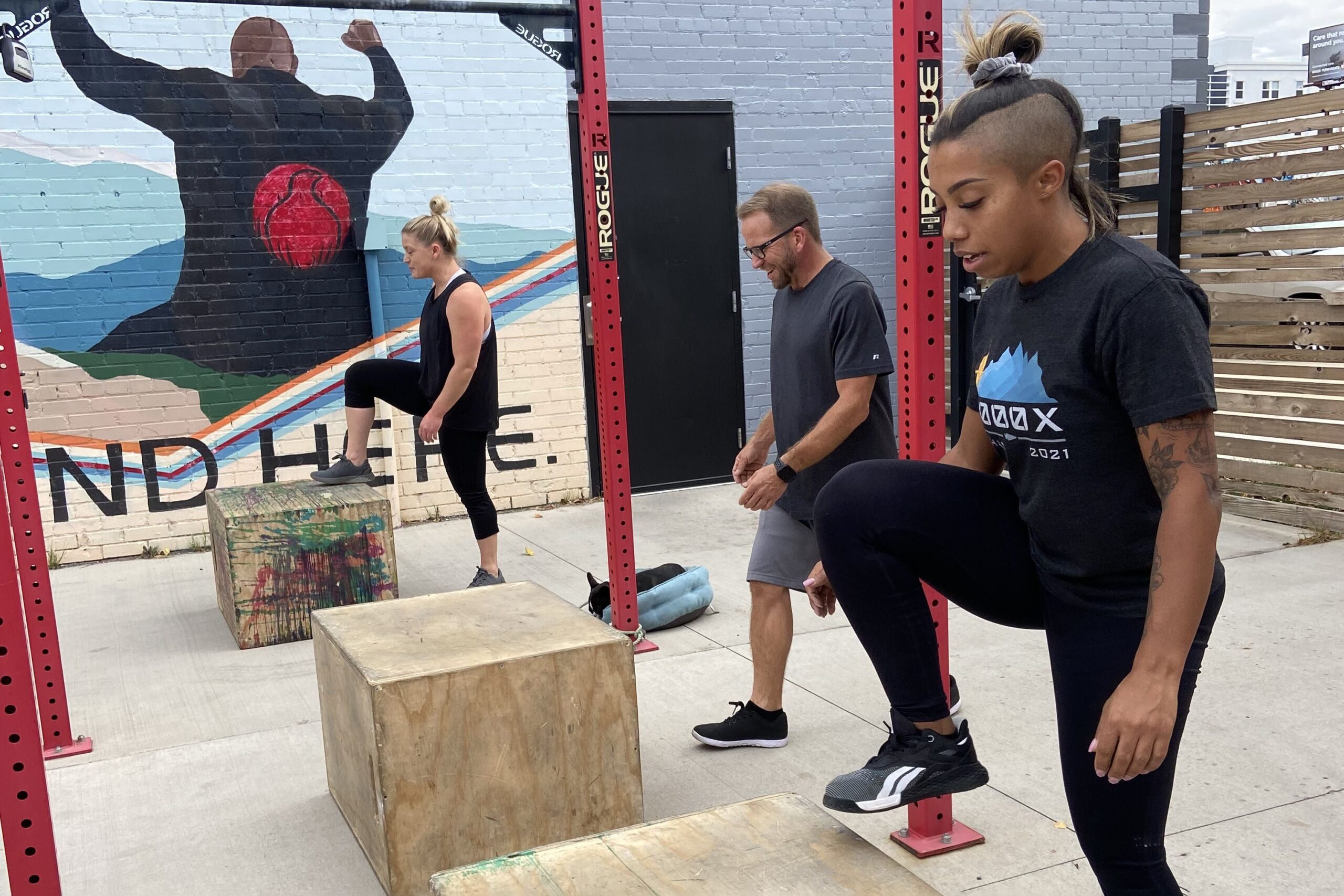
Across the country, people who are in recovery from substance use can find community in free yoga classes, CrossFit sessions, bike rides, indoor rock climbs, concerts, and more through the Phoenix.
“We essentially use any meaningful activity as a way to bring people together who have been impacted by substance use and empower each other to heal,” says Scott Strode, founder and executive director of the Phoenix.
Founded in 2006, the Phoenix has served more than 500,000 people. Its goal is to reach 10 million in the next five years.
Eighty-three percent of members who are new to recovery report they have remained sober after three months. That compares with relapse rates of 40 to 60 percent after treatment at other programs.
Strode drew on his own experience with addiction to start the Phoenix. He grew up with an alcoholic stepfather and as a teenager turned to drugs and alcohol to cope. “As quickly as it helped me, it started failing me,” he says. “That’s the way addiction goes. It started to strip away the dreams of who I thought I could be.”
Strode found his recovery in a boxing gym in Boston at age 24. He started the Phoenix in Boulder, Colo., in 2006, leading the activities himself. Slowly, the organization expanded to Colorado Springs; Orange County, Calif.; and Boston.
The Phoenix took off when it gained the support of Stand Together, a network of donors organized by billionaire Charles Koch. The Stand Together Foundation and the network of donors gave the organization more than $50 million over five years. The goal was to scale the effort nationwide and create a state-of-the-art technology platform that brings together Phoenix programming with that of other nonprofits that focus on recovery from substance abuse and mental health.
A key component of its expansion was moving to a model where volunteers — either people in recovery or people close to someone experiencing addiction — lead activities. The Phoenix is now in all 50 states and has served more than 500,000 people. It has set an ambitious goal of reaching 10 million people in the next five years.
During the pandemic, the Phoenix began offering activities online. Strode says that while he and other leaders worried whether virtual programs would be as successful, the outcomes have been the same as in-person events.
In fact, the online programs have provided a different kind of entry. Walking into a yoga class for the first time can be intimidating, Strode says. Participants can join an online class with their cameras off at first. Then, after a few weeks, they might unmute and start talking.
“Maybe two months later, they’re turning their camera on,” he says. “And all of a sudden they’re connected to a community, where before that, they might have felt isolated and trapped at home in their addiction.”
Strode has written a memoir, Rise. Recover. Thrive., which will be released on January 7, that details how he got sober and built the Phoenix.






