
March 10, 2013 | Read Time: 2 minutes
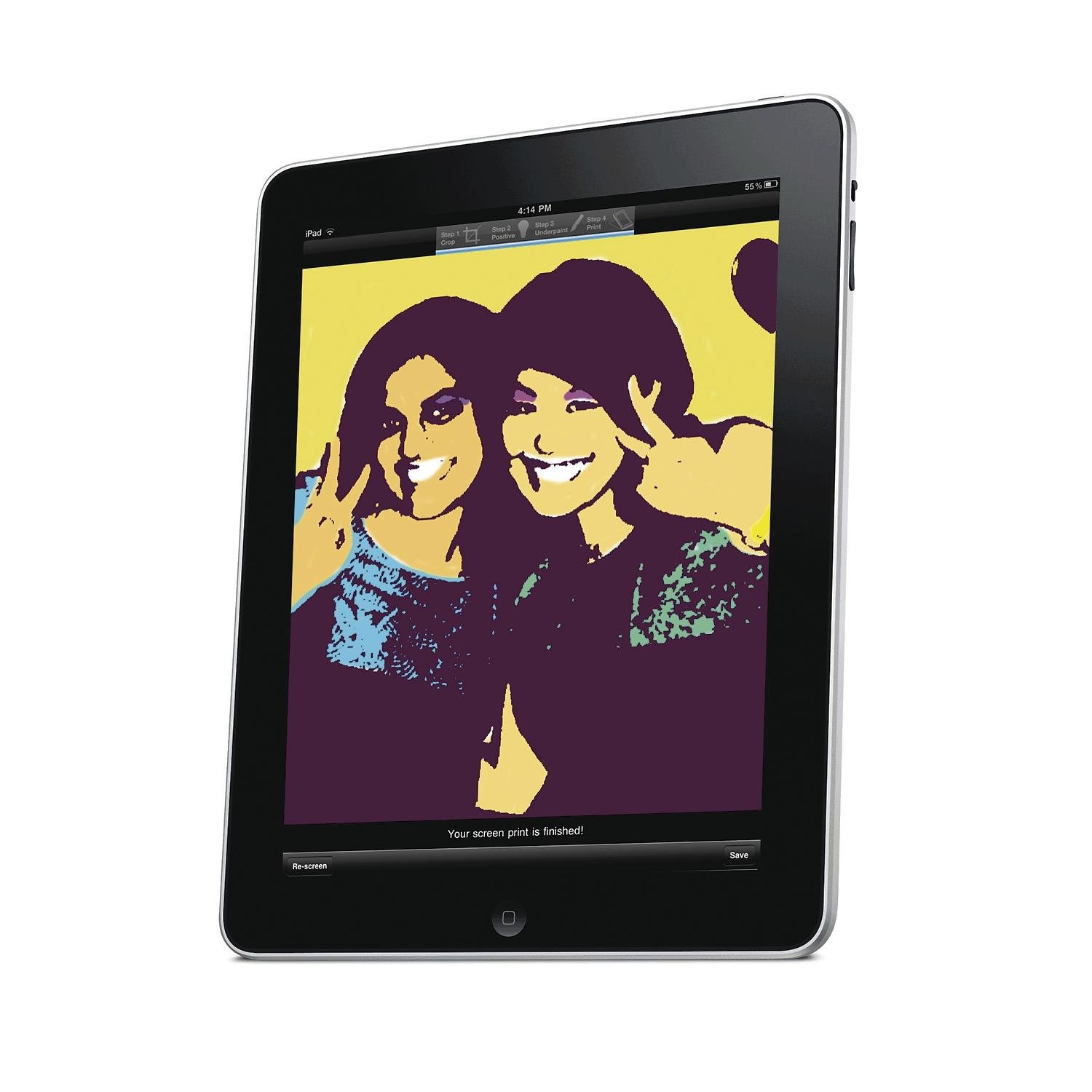
The Andy Warhol Museum has built a mobile application that lets anyone create a Pop masterpiece—and gain a deeper understanding about how Warhol approached his art.
The Warhol: DIY Pop app guides people through the process the artist undertook to create silk-screen prints of icons like Marilyn Monroe, Elizabeth Taylor, and Elvis Presley. They can crop, expose, and paint the images to create their own digital silkscreens and then share the results through e-mail, Twitter, or Facebook.
Educators and curators explain each step of silk-screening, says Joshua Jeffery, manager of digital engagement at the Pittsburgh museum: “We explain what that process is and how Andy would do it.”
Not Easy for Everyone
Response to the application—which is available for iPhone and iPad and has been downloaded more than 100,000 times—has been mixed.
The museum’s research found that the app gets rave reviews from museumgoers, art lovers, and educators. But people who were expecting a simple photo-editing tool are often disappointed, saying things like “I don’t know how to make it look cool.”
But sometimes even the frustrations that critics voice suggest the app is doing its job: teaching the public about the hard work that went into Mr. Warhol’s silkscreens.
“Some folks have actually come back and said, ‘You know, it took me a couple of times, and I finally got something I really like,’” says Mr. Jeffery. “It allows them to say, ‘Oh, you know that Marilyn Monroe silk-screen print that’s on the wall? A lot of thought went into that.’”
Putting the Collection Online
With the high cost of developing apps and the significant percentage that are abandoned soon after being downloaded, nonprofit technology experts debate when it makes sense for charities to build applications and when a mobile-friendly Web site is more appropriate.
While the museum plans to continue creating apps, it is increasingly using responsive Web design to build exhibition Web sites that automatically adapt to the device a visitor is using. Mr. Jeffery says the use of responsive design will change the way the museum determines when an app is the way to go.
This spring, for example, the museum will use responsive design for a new section of its Web site that will provide information about all of the artworks in its collection, which rules out the need to build a collections app.
“Putting the collection online in the way that we’re going to do it will allow us to kill two birds with one stone,” Mr. Jeffery says. “We can have it on the Web for a desktop audience, but we’re also making it more accessible on mobile devices.”