
A Small Hispanic Group Stretches Its Dollars and Hopes for Foundation Support

By Michael Anft
Contributor
March 10, 2013 | Read Time: 2 minutes
As advocacy organizations gear up to pressure Congress to overhaul immigration laws, many of the groups are finding new ways to stretch their modest budgets, in the hope that foundations will reward their efficiency and ambitions.
A case in point: The nonprofit Voto Latino, which is using its $2.7-million budget to respond to the political moment through methods that can be adopted as inexpensively as possible.
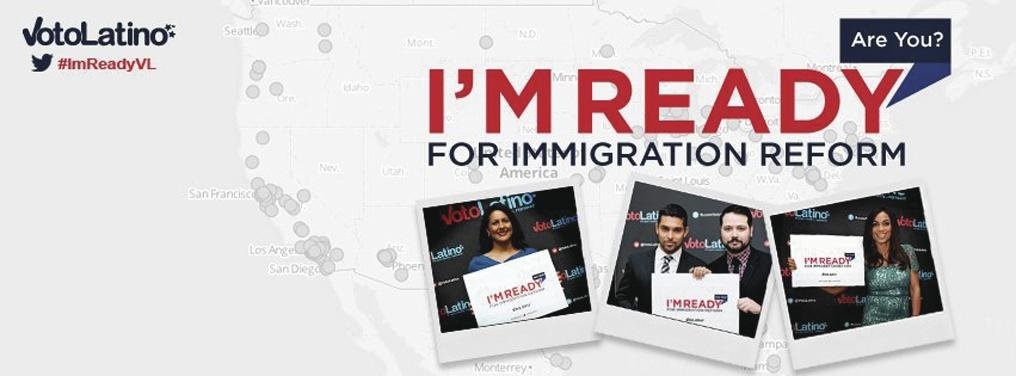
After focusing on voter registration and education since it was founded in 2004, Voto Latino this year switched to advocating on immigration and is now using grass-roots organizing, radio ads, social media, and the influence of celebrities to drum up support.
“This is the first time we have ever devoted our efforts to one issue,” says Maria Teresa Kumar, president of Voto Latino. “Our members asked us to do that.”
Enlisting Celebrities
Voto Latino spreads its message in large part through social networks, where it has been asking supporters to urge lawmakers to back immigration changes. Ms. Kumar estimates that 167,000 people respond to the group’s e-mail blasts, which include calls for donations and asking supporters to repost the group’s messages on Facebook.
Voto Latino is also relying heavily on star power. One of its co-founders is the actress Rosario Dawson, and the group has enlisted performers like Eva Longoria and the singer Demi Lovato to send messages on Twitter seeking support of new citizenship laws. Some 38 million of the celebrities’ fans have received such messages, Ms. Kumar says.
Low Costs
Voto Latino out of necessity wanted to keep its costs low when it decided to take on the immigration battle, spending $13,000 to revamp its Web site and to place on Facebook messages promoting change.
Within three days of doing so, it received 30,000 new “likes” on Facebook. During the same period, 12,000 people signed up to get regular e-mail messages from the group.
“We started this with the idea of growing the campaign slowly, but it has really taken off,” says Ms. Kumar. The organization has been run mostly on money it received when it was formed nine years ago.
Individuals whose fortunes have grown in Silicon Valley—including Laurene Powell Jobs, the widow of Apple co-founder Steve Jobs—bankrolled the group’s voter-registration work.
Many leaders of technology companies who favor easing U.S. immigration laws as a way to spur innovation have encouraged Voto Latino in its new focus.
As it continues to plan its advocacy on immigration issues for the coming months, the organization is seeking new money.
“We’re doing this in reverse,” says Ms. Kumar. “I’m calling foundations and saying, ‘We’d like to ramp this thing up, and this is a good way for you to invest in this issue.’ We’re letting them know how efficient we’ve been.”






