A Social-Service Group Helps Workers Stretch Their Dollars at an In-House Grocery

By NICOLE WALLACE
Features Editor
April 29, 2012 | Read Time: 2 minutes
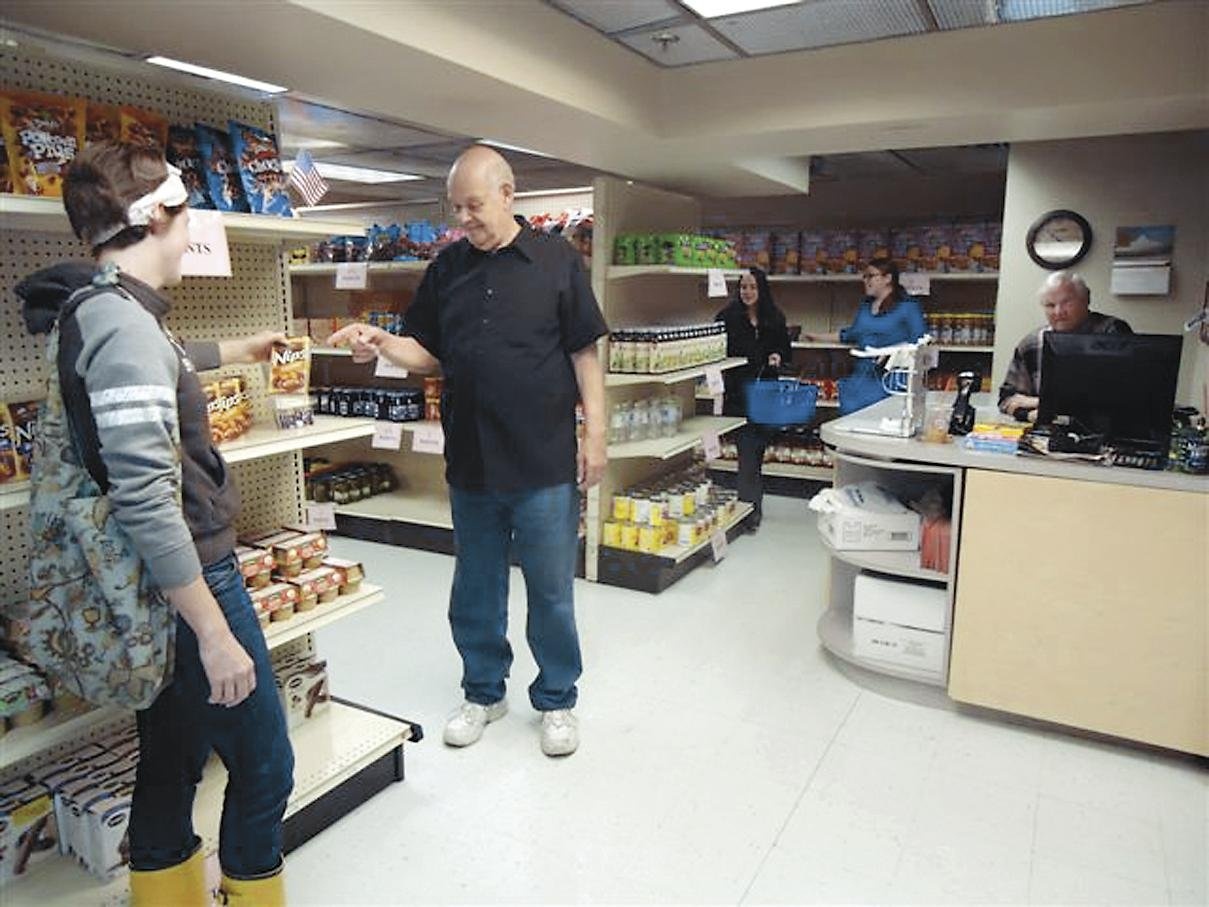
Working at a nursing home or hospice or as a home-care aide is tough, and it doesn’t pay very well. As a result, many nonprofit institutions struggle to attract and keep those workers. The Chelsea Jewish Foundation, which runs several long-term-care facilities just outside Boston, has taken an unusual step to aid employees: running an in-house grocery store.
Barry & Betsy’s—named for the organization’s top administrators and a play on Bernie & Phyl’s Furniture, a New England chain—stocks brand-name food items that it buys at a discount, along with paper goods, cleaning products, and school supplies. The store also sells special extras like holiday gifts at the end of the year and movie passes.
Earning Groceries
After employees have been on the job for three months, they earn points they can use at the store, based on the number of hours they work. A full-time employee earns 80 points a month, which translates into $130 to $150 worth of groceries.
That can make a big difference for the charity’s low-wage workers, says Betsy Mullen, the organization’s vice president for clinical operations—and the Betsy of Barry & Betsy’s.
“One woman, I’ll never forget, came to me and said, ‘This is wonderful because my daughter has wanted to take dance lessons,’” she recalls. “‘Now, I’ll have the money to let her take her dance lessons because I can come here and go shopping for food.’”
Taming Turnover
But the store also benefits the organization by helping it retain workers and cut down on expensive hiring and training costs, says Ms. Mullen. The Chelsea Jewish Foundation’s turnover rate is just 5 percent annually, which is extremely low for the long-term-care industry.
When employees check out at the store, they get a receipt that shows how much they would have spent at a regular grocery store, says Ms. Mullen.
“If I gave you a $25-a-week raise, by the time you pay taxes on that $25 and got the net in your pay, you’d soon forget that you had gotten the raise,” she says. “If you go to the store and use your points every month, it’s constant reinforcement.”