A University Offers Flexibility and Financial Rewards to Keep Fundraisers Happy

By Jennifer C. Berkshire
Contributor
January 13, 2013 | Read Time: 2 minutes
At Furman University, financial incentives and a willingness to accommodate workers with flexible schedules has created an unusually cohesive fundraising department and success at securing gifts.
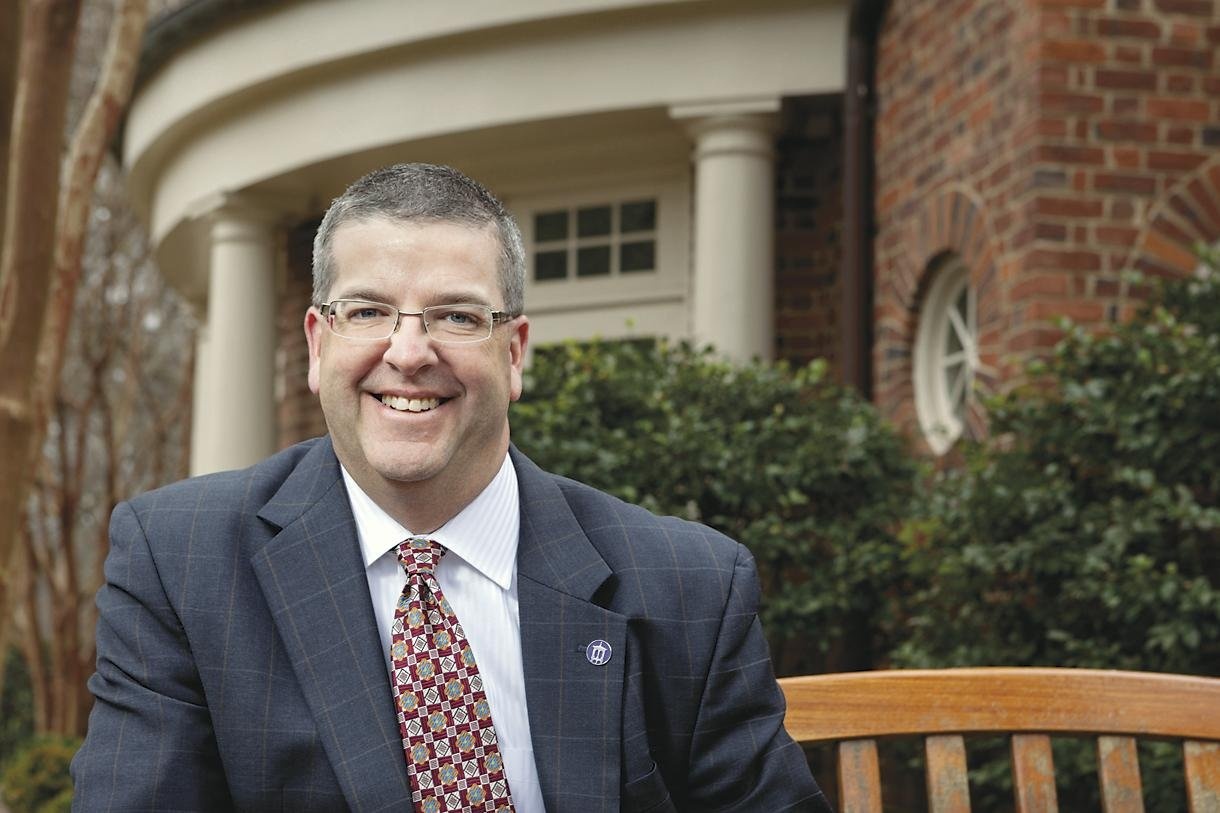
Financial incentives within the development department encourage fundraisers to meet individual and departmentwide goals, says Shon Herrick, the university’s associate vice president for development. Staff members who seek big gifts and annual-fund donations, for example, use a score card to track their fundraising success. Those who meet or exceed their goals receive a bonus, paid every six months.
Other financial rewards are offered to everyone who works in the department, including those who join student fundraisers to make phone calls.
“We find that the financial incentives are meaningful, especially when people feel like they’re working towards a shared goal,” says Mr. Herrick.
The university also matches fundraisers’ retirement accounts on an escalating basis as their longevity at the institution grows. Once employees mark their third year on the staff, Furman begins contributing the equivalent of 7.5 percent of their salaries. That figure jumps to 12 percent after seven years at the institution.
“I’ve not found another institution that’s as generous,” says Mr. Herrick.
Working From Home
Flexibility also helps keep the 35-member development office happy. Mr. Herrick, who works from home one day a week, estimates that a third of his employees now take advantage of the option to tailor their work arrangements.
“Our attitude is that it doesn’t matter where people are if they’re meeting their goals,” he says. “We’re very upfront when new people join the staff that this is something we can negotiate.”
The flextime and incentives seem to be helping the fundraisers achieve their goals. In 2012, Furman University raised more than it had in all but one other year, bringing in a total of $35-million.
Mr. Herrick attributes the success in part to a recovering economy. But also, he notes, “We’ve figured out how to hold a great group of people together.”
Furman University
Turnover rate in 2012: 8.5 percent (mostly retirements)
Key strategies: Financial incentives and flexibility