
A Veteran College Administrator Leaves Retirement to Run an Education Fund

By Caroline Bermudez
Contributor
April 21, 2013 | Read Time: 4 minutes
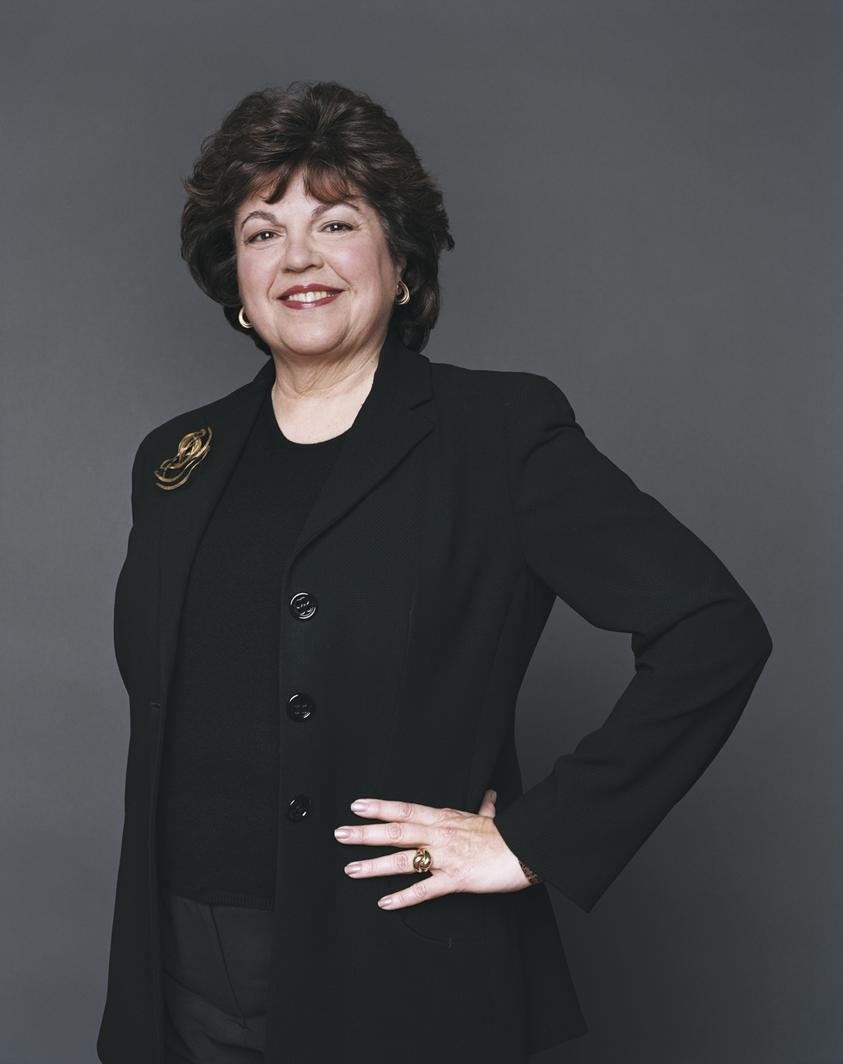
For the second time in her career, Judith Shapiro, the newly appointed president of the Teagle Foundation, got the top job she was not looking for.
After a long career in academe, Ms. Shapiro retired in 2008 as president at Barnard College. Previously, while provost of Bryn Mawr College, she had been recruited to become Barnard’s leader, though she had not sought the post.
Ms. Shapiro, 71, has had a busy retirement occupied by teaching, service on several nonprofit boards (including Teagle’s Board of Directors, which she joined in 2008), and singing lessons.
When she was asked by the board of the foundation, which supports college arts and science education programs, to lead its search to replace its retiring leader Richard Morrill, she said she had no intention of going back to work.
But the five-person search committee had other plans.
Richard Light, a Teagle board member and professor of education at Harvard University, says it gradually dawned on him that the best candidate for the job was right under the committee’s noses.
He ticked off a checklist of who the ideal person would be: Someone who knew the foundation well. A capable leader. A colleague who was widely respected. Mr. Light shared his thoughts with another board member.
He was told that he was the fourth person who championed Ms. Shapiro for the post.
“She ran Barnard for 14 years in what everyone agrees was a very successful presidency, she’s a good manager, good administrator, and distinguished scholar,” Mr. Light says. “We all think the world of her.”
Defending Liberal Arts
Ms. Shapiro says she saw an opportunity she could not refuse.
The foundation’s mission was a decisive factor, she says.
“It wasn’t that I wanted to come out of retirement, but this seems like a worthwhile thing to do,” Ms. Shapiro says. “Liberal arts education tends to be under attack. I think the idea of a foundation specifically focused on liberal arts education is important.”
She takes the helm at a time when enrollment in humanities courses is on the decline, amid accusations that liberal arts colleges do not prepare undergraduate students for jobs or do not train graduate students well enough to teach. Ms. Shapiro does not entirely disagree with those criticisms, she says.
“There is always vocational pressure,” she notes.
One of Ms. Shapiro’s main accomplishments at Barnard was to develop and promote Reacting to the Past, a course that engages students in games and role-playing based on classic texts.
The program, which received a grant from Teagle, has been adopted by more than 300 colleges and universities.
She will use what she has learned from the success of Reacting to the Past to focus on her twin goals for Teagle: to determine how best to ensure that students are learning and to make teaching more rewarding for professors.
The program, she says, is an example “of where I see the foundation going—of finding exciting programs and then attending to what will cause them to be spread, revitalizing liberal arts education,” says Ms. Shapiro.
Credited with strengthening the bond between Barnard and its neighbor Columbia University, Ms. Shapiro also plans to make collaboration a priority during her tenure.
She hopes that Teagle will work closely with other grant makers committed to higher education. Although the foundation’s endowment of approximately $144-million means it is not one of the wealthiest philanthropies in the country, the grant maker’s goals are no less ambitious, Ms. Shapiro says: “It’s small and it has modest resources, but it definitely has an influence beyond its scale.”
Judith Shapiro, president, Teagle Foundation
Education: Bachelor’s degree, Brandeis University; Ph.D., anthropology, Columbia University
Career highlights: President, Barnard College; provost, Bryn Mawr College; professor of anthropology, University of Chicago
Salary: Not disclosed.
What she’s reading: Of The Social Contract, Or Principles of Political Right, by Jean-Jacques Rousseau (she is re-reading this book); Reflections on the Revolution in France, by Edmund Burke; Citizens: A Chronicle of the French Revolution, by Simon Schama; Higher Education in the Digital Age, by William Bowen; Wannabe U: Inside the Corporate University, by Gaye Tuchman; and “going through Jane Haddam mysteries like potato chips.”




