
A Watchdog Enters the Spotlight After Its Inquiry Into a Tech Supplier

By SUZANNE PERRY
Contributor
April 15, 2012 | Read Time: 6 minutes
Washington
Many people in the nonprofit world use Apple’s iPhones and iPads without giving a second thought to the Chinese workers who make them. But employees at the Fair Labor Association, a nonprofit in Washington, are not among them.
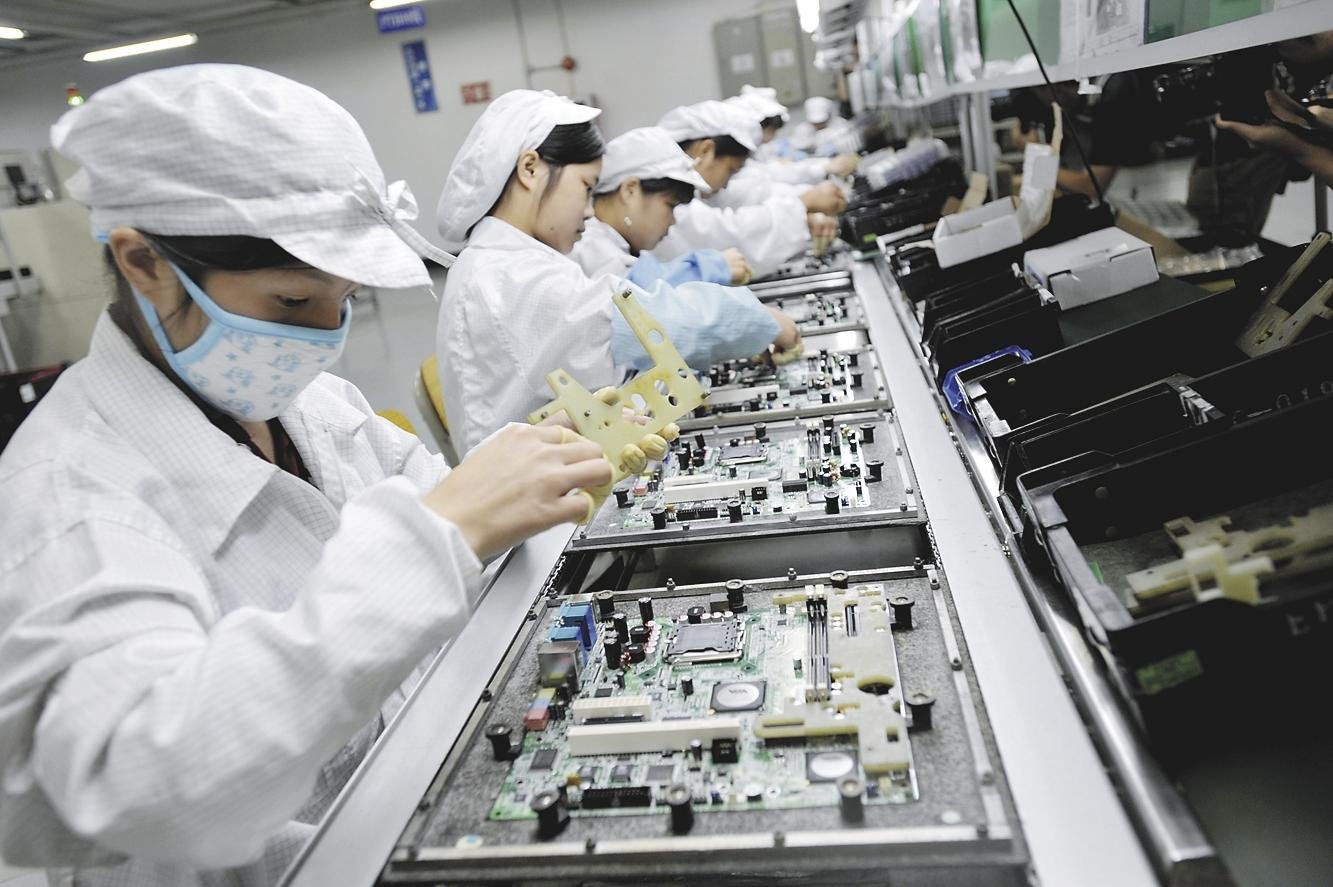
The group was thrust into the spotlight last month when it issued a much-anticipated report on working conditions at Foxconn Technology, a major Apple supplier in China that has been accused of safety violations, forcing workers to log excessive overtime, and even driving workers to suicide.
The FLA’s probe of the world’s best-known companies marked a new chapter for the 13-year-old nonprofit—and a test of its controversial approach to monitoring labor standards.
Meg Roggensack, a senior adviser at Human Rights First who sits on the FLA board, calls it a “watershed moment” for the group, adding that the investigation uncovered abuses that previous audits by Apple had not and that news coverage of the report helped educate consumers about how technology products are made.
Members Pay Dues
Unlike other labor-rights watchdogs, the association accepts dues from the companies it monitors and allows corporate representatives to sit on its board of directors.
The charity started in 1999 with 10 corporate members, including Liz Claiborne, L.L. Bean, and Nike, and a $233,000 budget. It now works with 34 companies, including two food producers, Nestle and Syngenta, and has a $5.5-million budget.
In January, Apple became the first technology company to join the group. That decision suggests the “secretive” technology industry may be changing its ways, thanks to public pressure and media exposés of working conditions overseas, says Auret van Heerden, the Fair Labor Association’s chief executive.
“For Apple as the richest and biggest and sexiest brand in that sector to step forward really was precedent setting,” he says.
But to some labor-rights activists, the fact that the association works in concert with companies like Apple calls its independence into question.
Teresa Cheng, international campaigns coordinator at United Students Against Sweatshops, says the FLA employs a “fox guarding the henhouse” model and that the apparel companies that established the association did so as a “PR coverup” to quell student activism that put them in a bad light. Her organization has waged war on college campuses against the Fair Labor Association since it was created, promoting an alternative group, the Worker Rights Consortium, which does not accept corporate money.
Many universities are members of the Fair Labor Association or the Worker Rights Consortium, or often both, as a way to monitor working conditions at the factories that are licensed to make goods with school logos.
Global Businesses
Fans of the FLA’s approach say it offers one way to fill a gap in the ability of governments to patrol labor standards. Christine Bader, a business-ethics expert affiliated with Duke University’s Kenan Institute for Ethics, says it makes sense to bring companies and nonprofits together in an era when businesses are operating globally, beyond the reach of any one national government, and international organizations like the United Nations have limited enforcement powers.
The nonprofits learn more about how companies operate, and “their advocacy can be practical and has a chance of being acted on,” she says. It also makes sense for companies to help foot the bill to tackle problems they have helped create, she says.
Mr. van Heerden, a former anti-apartheid activist in South Africa who joined the association in 2001 and became chief executive in 2003, is used to complaints about the group’s structure, and he has ready answers. He says the Fair Labor Association is set up to ensure that companies cannot suppress embarrassing findings.
In addition to including six corporate members, the board has six representatives of nongovernmental organizations, including Human Rights First, the National Consumers League, and the Global Fairness Initiative, and six people representing more than 170 college and university members.
In 2011, the association received about one third of its revenue from corporate dues and 41 percent from universities and the factories they license to produce goods, with the rest coming from suppliers, training and workshop fees, and government grants. It gets no money from private donors.
Unlike audits conducted by companies themselves, the Fair Labor Association uses inspectors who show up unannounced—and the nonprofit has full control over the findings, which are then published.
Because the member companies are looking for a “credible” third party to monitor their suppliers, “if our reports aren’t credible,” says Mr. van Heerden, “our whole business model just doesn’t work.”
Worker Surveys
The FLA has published reports on its Web site about efforts to combat forced labor at a Vietnamese supplier used by Adidas and Nike, verbal harassment of workers at a Turkish plant used by H&M and Nike, and health and safety problems at an Indonesian factory used by Liz Claiborne.
To prepare the report that was issued last month, it inspected two Foxconn plants in Shenzhen and one in Chengdu, enlisting 35,000 employees to fill out worker-satisfaction questionnaires—by far the biggest survey of that kind the group had ever undertaken.
The findings documented widespread violations of Chinese labor law and the Fair Labor Association’s code of conduct in areas including overtime, compensation, treatment of interns, and management control of unions, and it outlined steps that Apple and Foxconn agreed to take to remedy them. The plans, which the association will monitor, will affect 1.2 million workers at China’s largest employer—and could have a ripple effect across the electronics industry.
The FLA also used a new method for analyzing the cause of workplace problems, highlighting issues that need attention over the longer term—for example, proposing that managers revise their policies on working hours to bring them into line with local law.
However, the FLA’s critics remain skeptical. The report added “significant details” to previous investigations of abusive practices at Foxconn, says Scott Nova, executive director of the Worker Rights Consortium. “In that sense, it’s useful.”
But, he adds, it should not be represented as an independent report since “the FLA, by definition, cannot be independent of Apple.” He says the report also failed to hold Apple, now a major financial contributor to the Fair Labor Association, accountable for practices that may have contributed to the Foxconn abuses or to explore “psychologically abusive management practices” that workers have reported.
The association says it will hold both Apple and Foxconn accountable for protecting workers and that its survey asked workers “detailed questions about the conditions at Foxconn, including how they feel about management.”
Despite their differences, supporters and critics of the association agree on one issue: Public pressure helps to ensure that the FLA’s reports have impact.
Ms. Roggensack of Human Rights First says her group plays a “watchdog and oversight” role, adding, “It’s our goal to make sure the FLA is tough but fair, that its findings are carried through.”
Says Mr. Nova: “If the media spotlight fades, if the activism wanes, if the public loses interest, there is little chance anything will really change at Foxconn, FLA or no FLA.”




