
Ad Council Hires Cable-TV Pioneer to Help Charities Connect With People

By Michelle Gienow
Contributor
October 19, 2014 | Read Time: 4 minutes
Since the Ad Council was created in 1941 to help sell war bonds, it has reminded millions of people that only they can prevent forest fires, that a mind is a terrible thing to waste, and that it’s up to all of us to keep America beautiful.
But now the organization faces the challenge of creating similarly attention-grabbing campaigns for good causes at a time when everyone is bombarded with information on every kind of device.
So the group has appointed as its new leader a business executive with experience breaking new ground in the media world: Lisa Sherman, who in 2005 helped start LogoTV, the first commercial channel dedicated to lesbian, gay, bisexual, and transgender people.
Ms. Sherman, who takes over in November when Peggy Conlon retires, comes to the council after eight years at Viacom.
A ‘Noisy’ Environment
In a career heavy on advertising and marketing experience, Ms. Sherman says she’s gained skills and insights into consumer psychology that will be invaluable for running the Ad Council.
Ms. Conlon says that will be important as Ms. Sherman wrestles with the competition for attention span that has grown increasingly challenging.
Ms. Sherman says she’s not just ready but eager to take on the “noisy” media environment.
While methods of reaching people can be readily adapted, powerful content is the key, she says.
“Good storytelling is forever at the heart of what we do, so these new distribution systems and platforms just give us ever new ways to get the message out there,” she says.
Another advantage the Ad Council has, she says, is that its campaigns sell issues rather than products. “Our messages connect with people and make them feel empowered to take action, to make change,” she says. “This gives us a built-in edge when it comes to cutting through that clutter.”
Ms. Sherman—only the fifth leader in the nonprofit’s 72-year history—will have at her disposal an asset few organizations possess, says Ms. Conlon. The Ad Council’s campaigns are created pro bono by “the largest advertising and media agencies that represent the largest brands, and they allow us to coattail on their cutting-edge strategies.”
About half of the Ad Council’s $44-million annual budget helps covers production costs for the 50 or so public-service campaigns it undertakes each year.
The charities or other agencies that are chosen to benefit from an Ad Council campaign also chip in on production costs, but receive $25- to $30-million in donated time in print, broadcast, and other media.
Reaching Millennials
Ms. Sherman’s first priority, she says, will be to understand how the Ad Council reaches millennials. People in their 20s and early 30s, she says, are “way more than a target market—they are amplifiers and activators of culture, and they think of social causes as their religion.”
Indeed, a survey last year by the ad agency network TBWA/Worldwide and TakePart, the digital division of Participant Media, shows that 70 percent of millennials consider themselves social activists.
“This is the largest generation in history, and the fact that the majority of its members consider themselves activists means the Ad Council should be finding every possible way of enlisting them,” says Ms. Sherman.
She is keen to identify Ad Council campaigns that most appeal to young people—efforts to halt texting while driving and bullying behavior are hot-button examples—and then “engage them on an even deeper and more personal level.”
Ms. Sherman says the extra effort to reach young people may be beneficial because, she says, “the Ad Council always puts the issue front and center, and takes a quiet, behind-the-scenes role—so people don’t always know us, even when they know our work.”
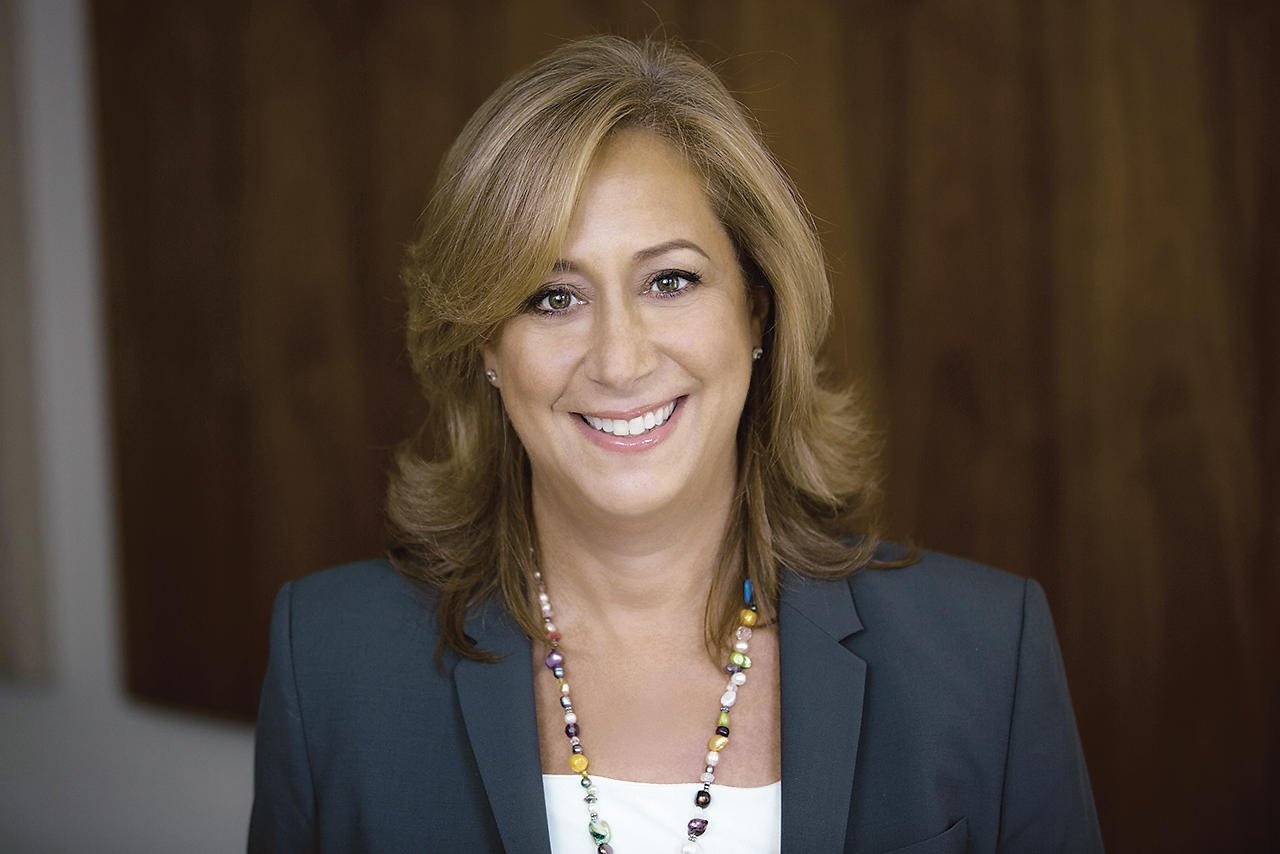
Lisa Sherman, president, the Ad Council
Education: Bachelor of arts in psychology and economics—”my version of a business degree at a liberal arts college, back in the day”—from Dickinson College
Career highlights: Executive vice president at Viacom and general manager of LogoTV; executive vice president for new business and account management, Hill Holliday, an advertising agency; co-founder and president of Women’s Sports Network, a marketing and management company
Nonprofit experience: Vice chair of the board of God’s Love We Deliver; previously a board member of Human Rights Campaign, YWCA New York, and Lifebeat, a national organization that works to prevent young people from contracting HIV/AIDS
Salary: She declined to disclose it. Her soon-to-depart predecessor, Peggy Conlon, earned $2,004,218 in total compensation in 2012, according to The Ad Council’s most recent informational tax filing.
What she’s reading: Off the Sidelines: Raise Your Voice, Change the World, by U.S. Sen. Kirsten Gillibrand




