
After a Year of Wooing, Charity Scores Money to Start Up and to Expand

By Debra E. Blum
Contributor
April 7, 2013 | Read Time: 3 minutes
Creating a charity is not for the faint-hearted, notes Chris (Kiff) Gallagher Jr.
“You have to be in a particular state of mind to start a nonprofit,” says Mr. Gallagher, who founded the Center for Music National Service, more commonly known as MusicianCorps, a little more than five years ago. “You have to be comfortable in a high-risk situation and be willing to not make a lot of money from the beginning.”
And, he adds, that goes double for growing a nonprofit in a recession.
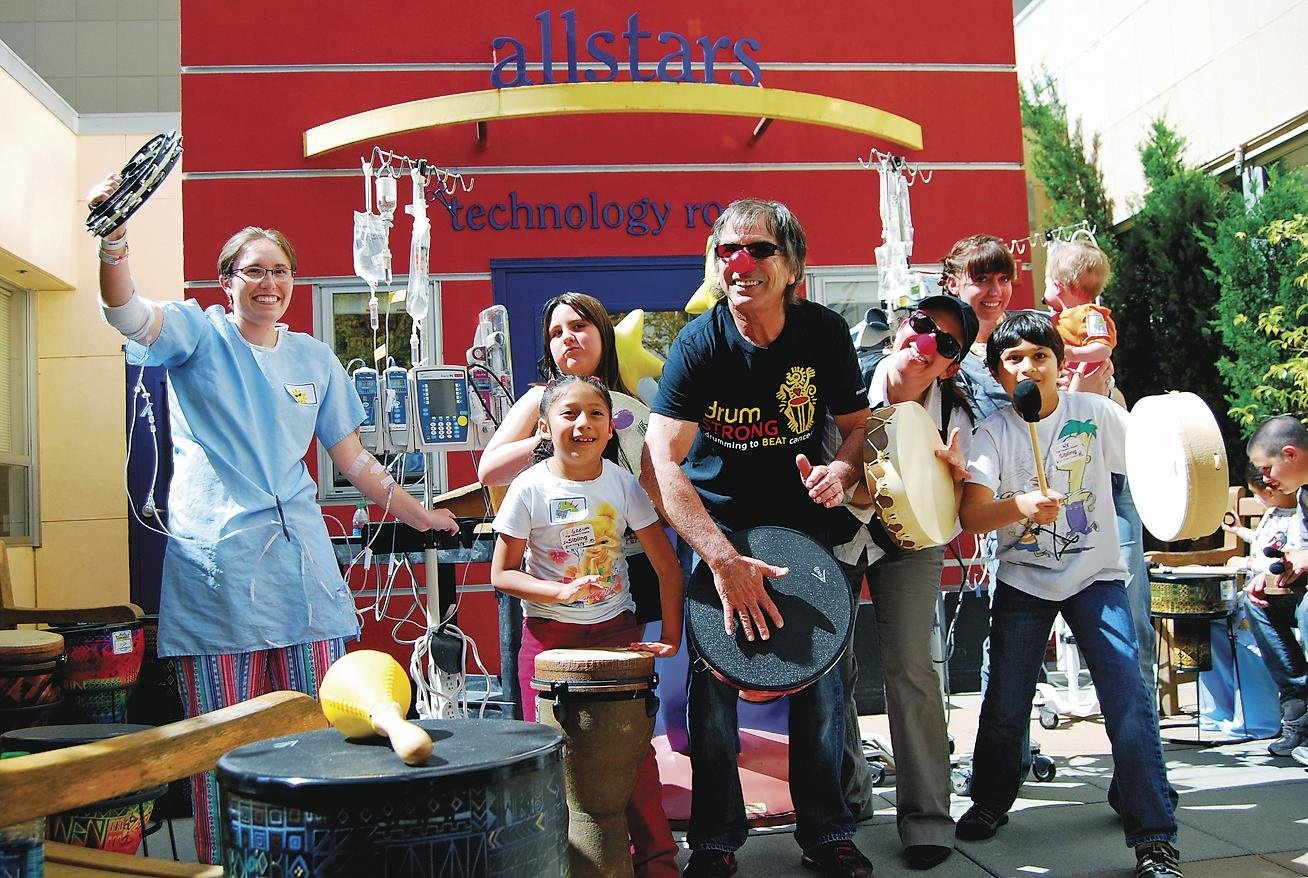
Fortunately, Mr. Gallagher had what it took to ride out a rocky start for his organization, a sort of national-service program in which musicians get a small stipend and training so they can work in schools and hospitals to help teach, heal, and entertain.
Building a Relationship
Nonprofit leaders quickly embraced MusicianCorps (the Aspen Institute cited it in 2008 as one of 10 nonprofit innovations), and both Democratic and Republican members of Congress endorsed it.
But the building blocks for a nonprofit start-up—grants and donations—were much slower in coming. Mr. Gallagher, a musician himself, spent more than a year tirelessly promoting MusicianCorps, spending about $30,000 of his own money along the way.
The William and Flora Hewlett Foundation, with its focus on the Bay Area and grant making for arts education and the performing arts, was a particular target for Mr. Gallagher. He attended conferences and meetings to introduce himself to Hewlett officials and other foundations and sent “many, many e-mails” to a number of grant makers.
He finally scored a meeting with a Hewlett program officer and filed a grant request asking for money to start MusicianCorps in the San Francisco area and to support expansion and advocacy.
In December 2008, more than a year after MusicianCorps was founded, the group got its first infusion of cash—$500,000 from Hewlett.
“The proof points are there that music and arts address a lot of social problems,” Mr. Gallagher says. “But we were in tough economic times, and that’s when it’s hard to challenge for grant money when you are not an established incumbent. And it takes time—months, years—to build relationships.”
Mr. Gallagher didn’t get complacent after that first win. He continued to work out of his house for at least another year to save money and made hard decisions over the past couple years to slow down plans for expanding nationally, even after running successful pilot programs in Seattle, Chicago, and New Orleans.
“We feel like we have to stay lean and nimble,” Mr. Gallagher says. “Maybe it’s a holdover from surviving through the recession.”
Clarification: This article originally implied that Mr. Gallagher had only solicited the Hewlett foundation for support; he had contacted others as well.
Center for Music National Service
Year founded: 2007
Mission: Train and deploy musicians to deliver music education and therapy to schools, hospitals, and other community settings
A key to success: Run by a passionate and persistent founder
So far: Has become a leading national advocate for the power of music and the arts; has placed teachers, mentors, and therapists to work with thousands of low-income students, veterans, elderly people, and hospital patients in five cities
Next: Expanding MusicianCorps campus, a network of music-service clubs for college students




