

June 24, 2012 | Read Time: 2 minutes
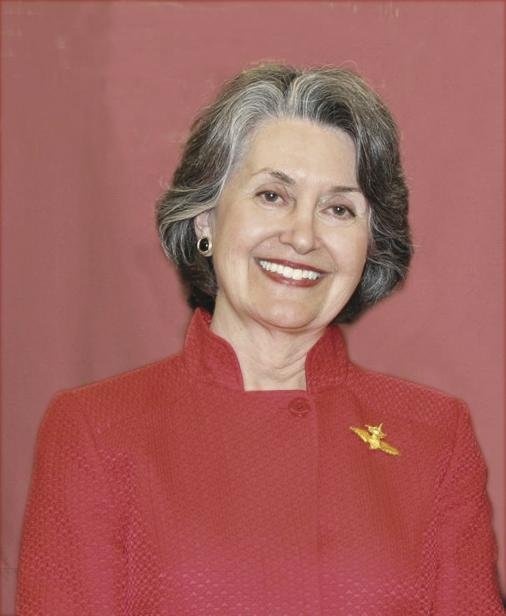
As a volunteer Becky Sykes helped create the Dallas Women’s Foundation in 1985, and in 1998 she was hired as its executive director. Under her leadership, the nonprofit grew into a powerhouse charity dedicated to supporting women’s and girls’ causes.
“When I came in, the organization was poised for growth, with a strong base of support,” she says. “We just took that and ran with it.”
In 2006, it began a campaign that raised $35-million—$5-million more than its original goal—and concluded before the recession took hold. The successful drive allowed the group to double its annual grant making, to $2.5-million.
Once that campaign was finished, says Ms. Sykes, “I thought, ‘Let’s end this on a high note. It’s time for me to go. I’m 66, and there are a lot of other things I want to do.’ ”
She looked forward to a traditional retirement, planning to travel with her husband of 45 years and spend time with her grandchildren. Friends who had already retired advised her, “Just say ‘no’ for the first year. Everybody will want you to be on this board and that board and do this and that. Just say no, or the next thing you know, you won’t be retired any more.”
“I was pretty good about that for six months,” she says. “And then I started saying yes.”
More than a year after retiring, Ms. Sykes now serves as vice president of the board of her alma mater, Austin College, in Sherman, Tex. and chairs its fundraising committee. She also sits on the governing board of her church and has supported the campaigns of several women running for office. Being openly political was something she felt she could not do while leading a nonprofit organization.)
New Career as Mentor
Though she says she also finds plenty of time for travel and family, she has surprised herself by stumbling into a new career, as a self-described “free-range mentor.”
It wasn’t a role she sought: “A number of young women active in different nonprofit organizations have called me and asked that I mentor them.” She now meets with four of them regularly to discuss organizational issues, brainstorm fundraising ideas, or just listen to them vent.
“I know how lonely it can be sometimes, being the head of a nonprofit organization,” she says. “You can’t really let your hair down with staff, or with board members, either. It’s great fun, and I am happy that my experience can be helpful.”




