Alaskan Association Uses Science to Promote Sustainable Fisheries and a Way of Life

By NICOLE WALLACE
Features Editor
February 9, 2021 | Read Time: 2 minutes
Members of the Alaska Longline Fishermen’s Association outfitted their boats with equipment that collects detailed information about the bottom of the ocean. Putting that data together, the nonprofit, in the town of Sitka, was able to create detailed maps of the ocean floor. The fishermen can then use the maps to be more efficient as they fish for halibut and black cod — and significantly reduce the number of rockfish they harvest inadvertently.
“There are ways for fishermen to contribute to stewardship that also help fishermen be better at what they do,” says Linda Behnken, the organization’s executive director. “When you find that place, then you’re finding durable solutions.”
As part of its mission to promote sustainable fisheries and thriving fishing communities, the organization does advocacy and policy work, and its members collaborate with scientists on research projects related to fisheries management. At first, some of the fishermen were wary about working with researchers; it took time to build trust between the two groups.
“But what we’ve found is when we can get scientists and fishermen on a boat together — even better than in a room together — they really quickly see what each other brings to the table,” Behnken says.
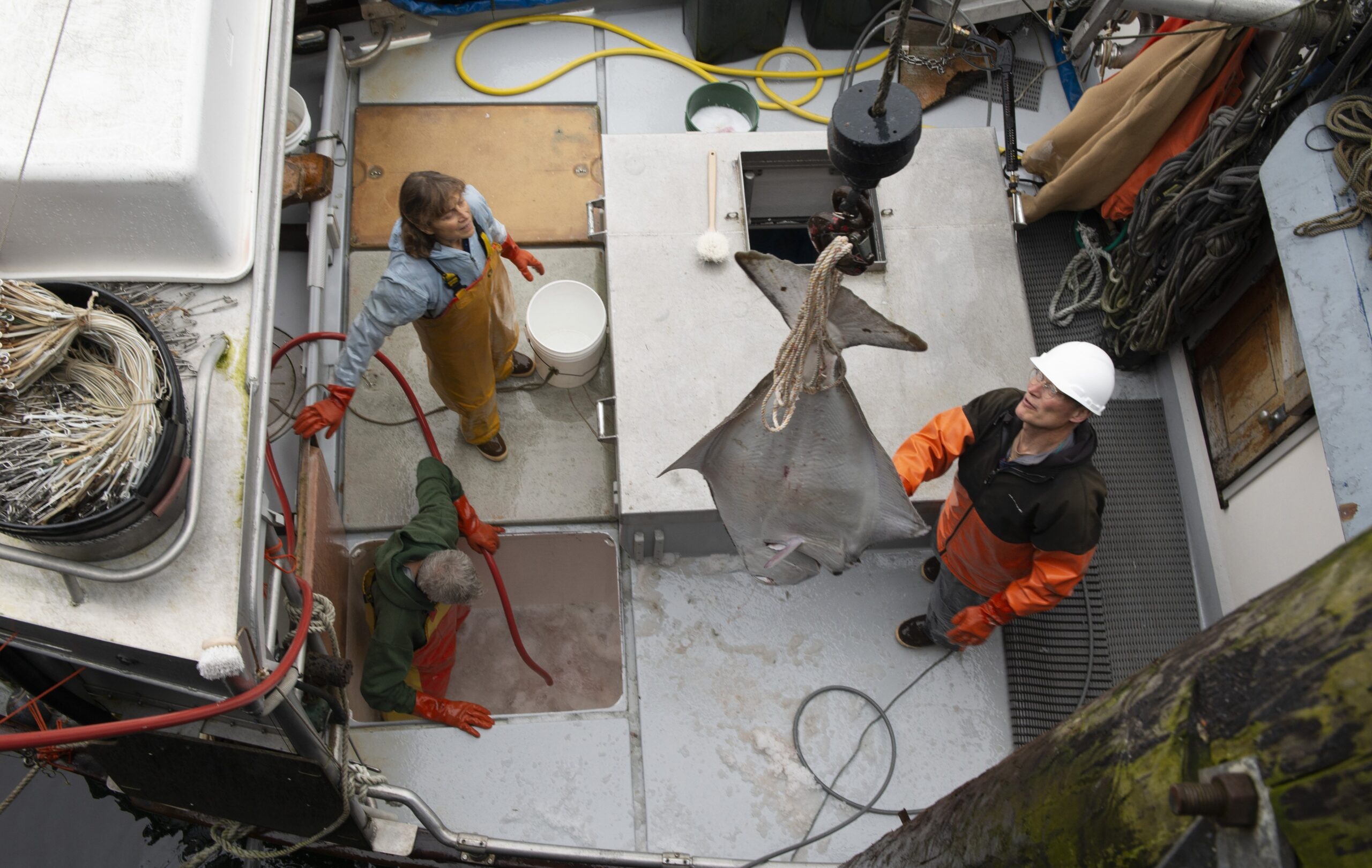
She and her husband fish with their teenage sons on a 40-foot boat called the Woodstock, shown here. She first went to Alaska to fish as a way to earn money for college.
In the fall, Behnken won the $250,000 Heinz Award for the Environment. She hopes the recognition will help more people understand the role small-scale commercial fishermen around the world can play in preserving fisheries.
“We know it’s essential to our livelihood,” she says. “We’re really committed to handing off to the next generation a healthy resource, the resource that sustained us.”