
Amazon Wish Lists Simplify Charities’ Requests for Needed Goods

By Raymund Flandez
Contributor
March 18, 2012 | Read Time: 4 minutes
Couples count on online wedding registries to get desired gifts from families and friends. Now nonprofits are using the approach to get gifts they need to provide services and run their operations. Instead of a five-piece china set and a gravy boat, charities are receiving boxes of cereal, jars of peanut butter, and packs of deodorant from generous online donors, delivered at the door. The Web site that’s making those gifts possible: Amazon.com.
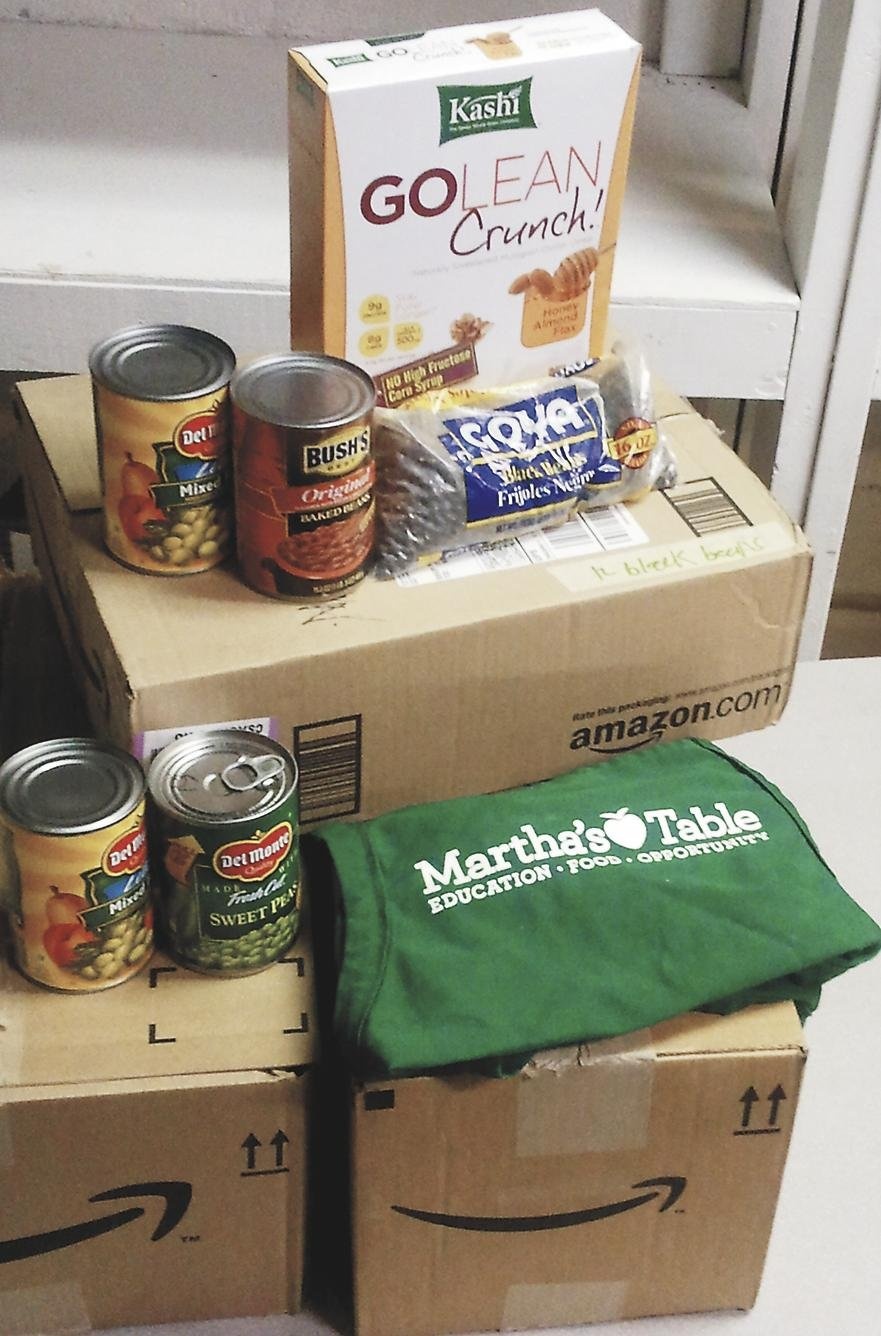
Through the popular online retailer’s Wish List pages, which allow people to designate specific products they would like to receive, nonprofits—especially small ones—are increasingly taking advantage of the free and relatively easy way to get much-needed supplies and products. Such donated goods account for hundreds of gifts and thousands of dollars each year for the homeless shelters, soup kitchens, medical mission groups, and children’s charities that have tried the approach.
“The items that we’re getting are specific to what our needs are,” says Kimberly Lyons-Briley, development and volunteer manager at Martha’s Table, a hunger-relief and youth-education organization in Washington.
Before it started an Amazon Wish List last fall, the group created its own wish list, which it posted on its Web page, but the list wasn’t updated often and didn’t describe why certain items were needed. As a result, some of the donated goods it received were random and not timely, like boxes of stuffing mix during the summer.
So far, Martha’s Table has received a total of $2,500 worth of donations of cans of tomato soup, boxes of pasta, and school uniforms that it has requested on its Wish List.
Streamlined Giving
While Amazon’s customers have been able to create wish-list pages for years, nonprofits have only recently begun to use the product registry to boost donations amid a sluggish economy. Amazon wouldn’t say how many charities now use the lists or how much in total donations these groups have received.
But a look at participating organizations reveals that charities are finding wish lists to be a crucial addition to their fund-raising, especially at a time when demand for their services has risen. Some participants say the Amazon program has helped them cut down on overhead, since donors have helped them buy supplies and equipment such as office chairs that staff members need.
Other groups say the use of a wish list has helped them streamline the way they seek and receive noncash donations, making it easier for officials to anticipate and plan for the arrival of gifts. Some charities, too, have found that they can reap yet more dividends by agreeing to send traffic to Amazon in their messages promoting the Web lists; the retailer gives the groups up to 15 percent of the purchase price.
The online wish lists do have a major drawback: The charity doesn’t usually know who sent a gift and thus has no way to thank the donor or try to build ties unless contact information was included with the shipped items. (Amazon says it’s unable to reveal the identity of customers due to confidentiality terms. However, it said, it can send a message to gift givers to connect them with the charity.)
“We don’t have a way to thank them,” says Marchelle Sellers, executive director of Mending Kids International, which provides surgery to children in developing countries. Some charities have worked around the obstacle by including a message in their wish-list profile box urging potential donors to add their names to a note they can append to the gift items during checkout. But charities say that is not a great solution.
“We want to be able to recognize the giving to encourage them to give more,” says Ms. Sellers, whose charity has received about $1,500 worth of gifts through the wish-list program since it began participating last year. She says if donors don’t get an acknowledgment of their gifts, they’re less likely to be supportive the next time around. “The donor doesn’t know that we’re not going to know who sent those boxes,” she says.
Online Buying
Creating an Amazon Wish List page isn’t difficult. A charity signs up for an Amazon account and fills out some information in the profile box, such as location, federal-tax identification number, and Web site address. Then, the charity’s staff members can search through Amazon’s vast online store to look for items to add to the group’s wish list, flagging goods needed immediately and specifying the desired quantity. Later, the charity can alert supporters by e-mail, on its home page, or through social networks about opportunities to give. The donor pays for the goods.
The Children’s Center, in Bethany, Okla., has tied its wish-list appeal to its holiday campaign for the past two years. The nonprofit pediatric hospital asks supporters to go to its list and buy toys for some of its 120 young patients who have mild to severe disabilities. “It’s been a big success,” says Travis Doussette, spokesman for the Children’s Center. “It allows people from out of state to donate. We can e-mail the list, and with the list being visual, they can see what they can buy for the kids.”




