An Epic Fund-Raising Journey Culminates in an Author’s Multi-Million Dollar Bequest

By Caroline Preston
Contributor
February 7, 2010 | Read Time: 4 minutes
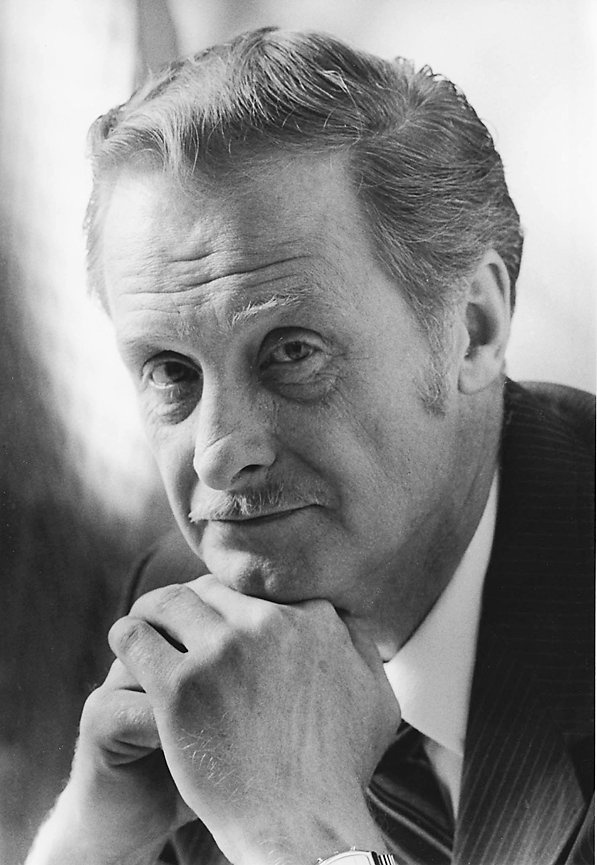
For officials at Reed College, winning a big donation from David Eddings (No. 31 on The Chronicle’s Philanthropy 50) may have sometimes felt like an epic odyssey of the sort faced by characters in the author’s fantasy novels.
Mr. Eddings, who died last June at age 77, attended Reed on a scholarship. He studied English, graduating in 1954. And then he dropped out of the college’s sight.
It wasn’t until the 1980s that he resurfaced, on The New York Times best-seller list. After a handful of other careers, Mr. Eddings had published a successful fantasy series. College officials tracked down the author’s address from his publisher.
The private Mr. Eddings agreed to be featured in Reed’s alumni magazine, copies of which he kept all around his house. But the college also made several missteps.
An effort to recruit Mr. Eddings to chair an alumni group hit a dead end. He turned down requests to speak to students in writing workshops, saying that writing could not be taught.
Mr. Eddings sent the college a letter in the early 1990s stating that he intended to give as part of his will. In his letter, he called writing best sellers “almost as good a racket as delivering dope”; he said he was grateful for the financial aid he had received as a student and that he wanted to show his appreciation. But subsequent efforts to persuade him to donate during his lifetime irritated Mr. Eddings.
“It’s funny to look at the history,” says Hugh E. Porter, vice president for college relations at the Portland, Ore., institution since 2000. “Obviously the fundamental thing we got right was David felt it was a good education and something he was proud of.”
The Plot Thickens
In 1996 Mr. Eddings stopped accepting visitors. Mr. Porter kept up with him over the telephone, calling a few times a year when he was near the author’s home in northern Nevada to talk about local politics and other topics. Never did he have an exact idea of the size of Mr. Eddings’s estate, nor did he see a copy of his will.
But Mr. Porter’s calls struck the right tone. “He didn’t push, and David was quite happy with that arrangement,” says Dennis Eddings, the author’s brother.
Then, in 2007, Mr. Porter got an e-mail message from Dennis Eddings. David Eddings was suffering from what appeared to be dementia, and his brother was interested in discussing the bequest to Reed in the author’s will. Mr. Porter and David Eddings finally met the following year.
After David Eddings’s death, the gift was delivered to Reed: $20-million, for scholarships and an endowed professorship in the English department. The college also received Mr. Eddings’s writings and papers, along with money to help catalog and maintain them.
An Unexpected Beneficiary
As it turned out, Reed was not the only beneficiary of Mr. Eddings’s generosity.
Late last spring, a fund raiser with National Jewish Health, a nonprofit research center and hospital in Denver, got a call from a lawyer saying the institution would receive $10-million from Mr. Eddings’s estate.
When Ron Huddleston, assistant vice president of development, searchedwent back through the hospital’s files to look for information on Mr. Eddings, he came up empty.
It was not until he visited Mr. Eddings’s house to help pack it up that Mr. Huddleston found a letter from National Jewish Health’s development office. Mr. Eddings had referred the letter to his lawyer and had been receiving the occasional mailing from the hospital through the lawyer.
But it was Mr. Eddings’s late wife, Leigh, who had become interested in National Jewish Health. As Mr. Huddleston learned, she had suffered from asthma as a child. Ms. Eddings, who co-wrote many of her husband’s books, had come across National Jewish Health in her research of top asthma centers.
The hospital plans to use the money for a fund to treat and develop a cure for asthma.
Dennis Eddings says his brother always intended for the two institutions to receive his estate. But he simply wasn’t interested in learning about the financial benefits of giving during his lifetime.
“I wasn’t as good a writer,” says Dennis Eddings, a retired English professor. “But I had a little more business sense.”
Mr. Porter, the Reed College official, says he learned from David Eddings to “listen to what the donor tells you over time, and not just to you but to your predecessors.”
Mr. Eddings, says the fund raiser, also serves as a reminder of the importance of balancing current support against the potential for a big estate gift. That, Mr. Porter says, “is one of the hardest things for a development office to do.”