

January 4, 2022 | Read Time: 3 minutes
Even as Covid surges across the world, economic signals continue to bode well for philanthropy — though inflation and changes to household disposable income levels could still spell trouble for fundraisers and other nonprofit leaders. Here are the latest economic indicators and what they mean for the nonprofit world. And see our previous updates.

Stock Market
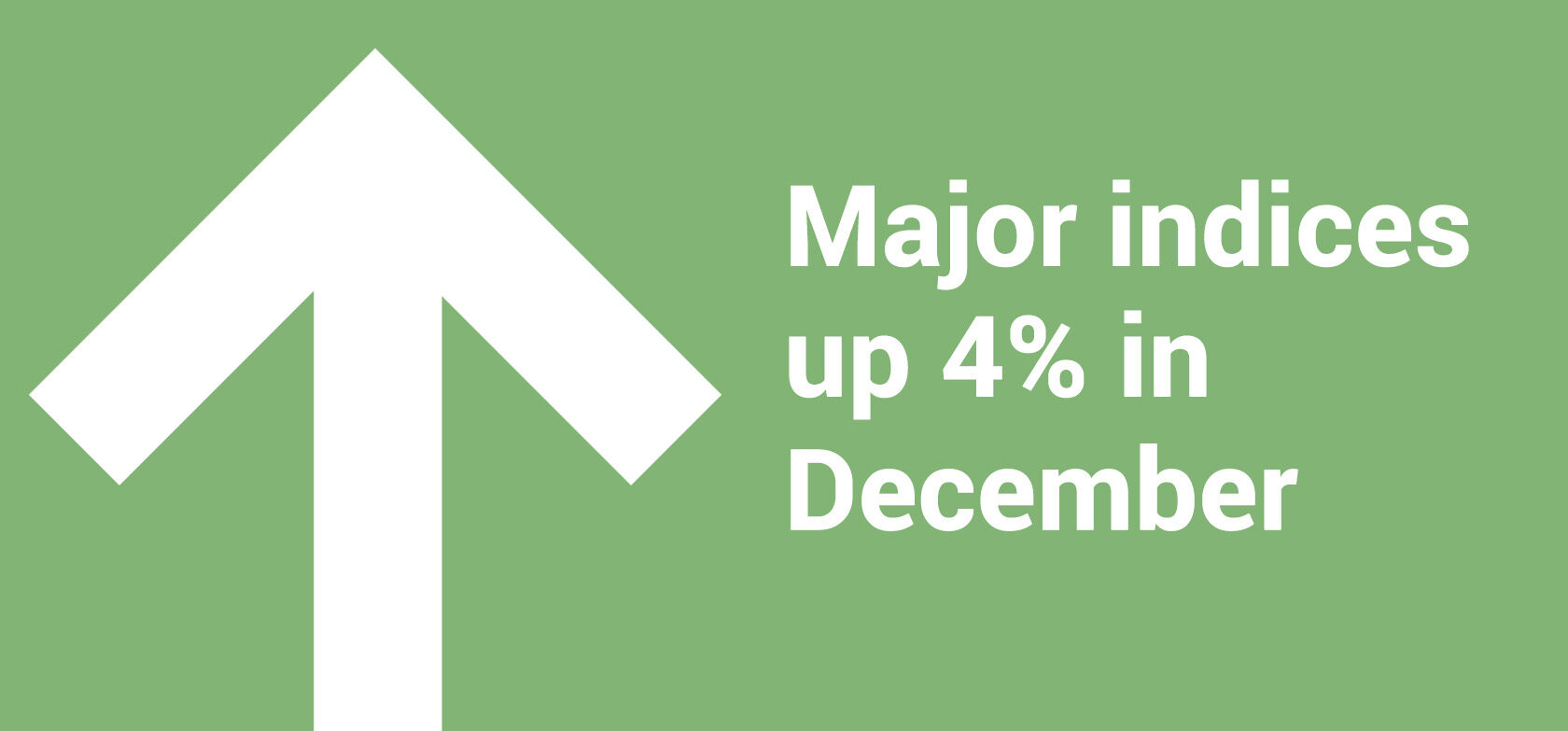
The S&P 500 closed December up roughly 4 percent from November, as did the Nasdaq Composite and the Dow Jones Industrial Average. Looking at the performance of all three throughout 2021, the Nasdaq Composite Index gained roughly 25 percent in value, the S&P 500 rose 29 percent, and the Dow grew by 21 percent.
That growth is important for both the state of mind and giving capacity of wealthy donors in 2022 and for grant makers, which typically base their giving on the past three years of stock-market performance. “That augurs well for foundation grant making and giving by households,” said Patrick Rooney, professor of economics and philanthropic studies at Indiana University’s Lilly School of Philanthropy. “The S&P 500 is one of the best predictors of foundation grant making and also one of the best predictors of household giving.”
Consumer Confidence
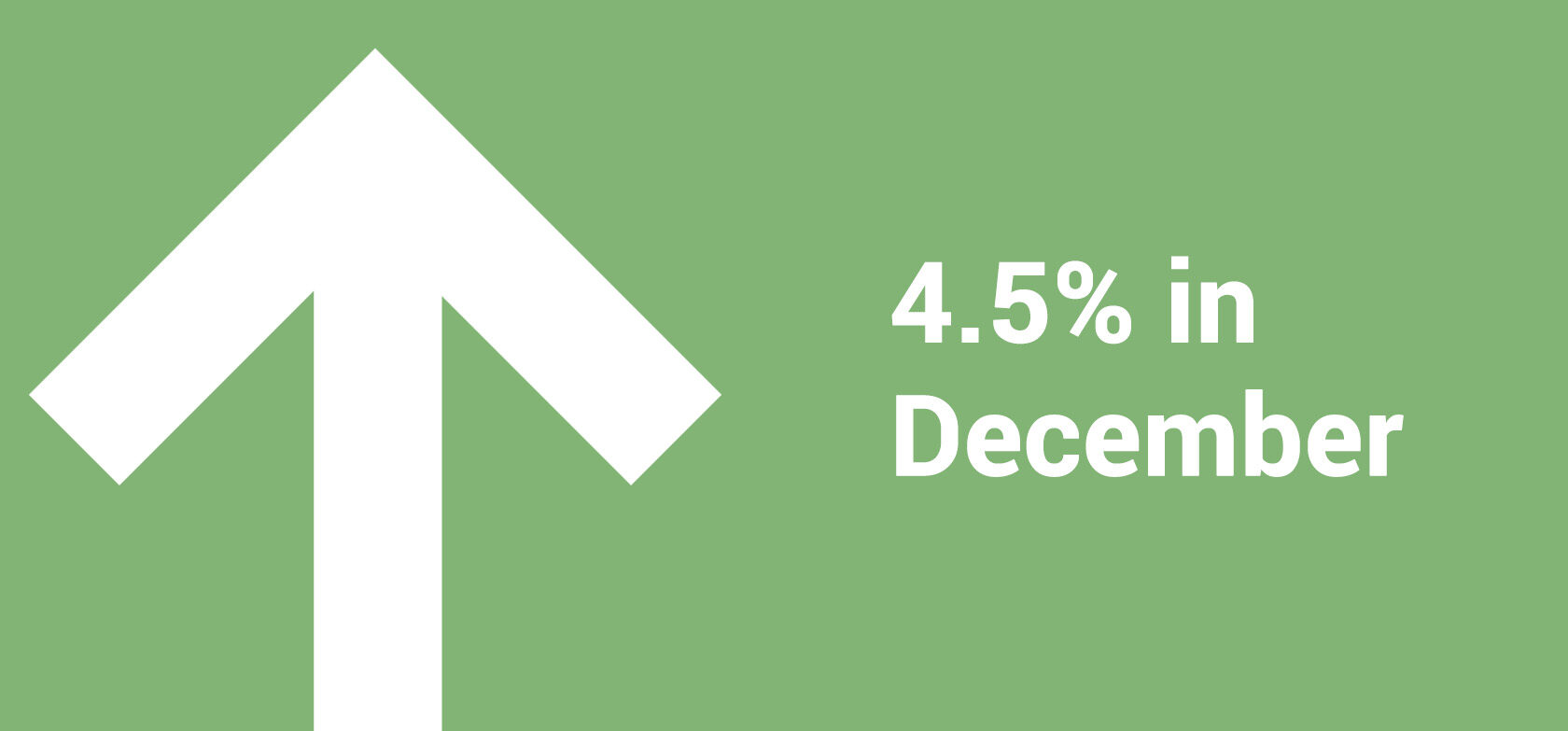
Consumer confidence rose 4.5 percent to 70.6 on 100-point scale in December, according to the University of Michigan’s Surveys of Consumers.
However, that confidence was not widely shared, with low-income Americans showing a surge in optimism and higher-income Americans growing more downbeat. Households with incomes in the lowest third of the population reported a 23.6 percent increase in consumer confidence, the biggest gain in four decades. But the middle third reported a 3.8 percent decline and the top third a 4.3 percent decline.
“The core of the renewed optimism among the bottom third was the expectation of income increases of 2.9 percent during the year ahead,” researchers noted.
The data also shows that consumer confidence remains 12.8 percent lower than it was a year ago, with much of that pessimism driven by persistent inflation. That concern could slow down the growth in giving by affluent individuals that the strong stock market suggests.
“I still fear that inflation, unless taken care of appropriately by the Fed, will put a potential damper on both the economy and on giving,” especially for household giving levels, said John List, an economist at the University of Chicago.
.
Unemployment
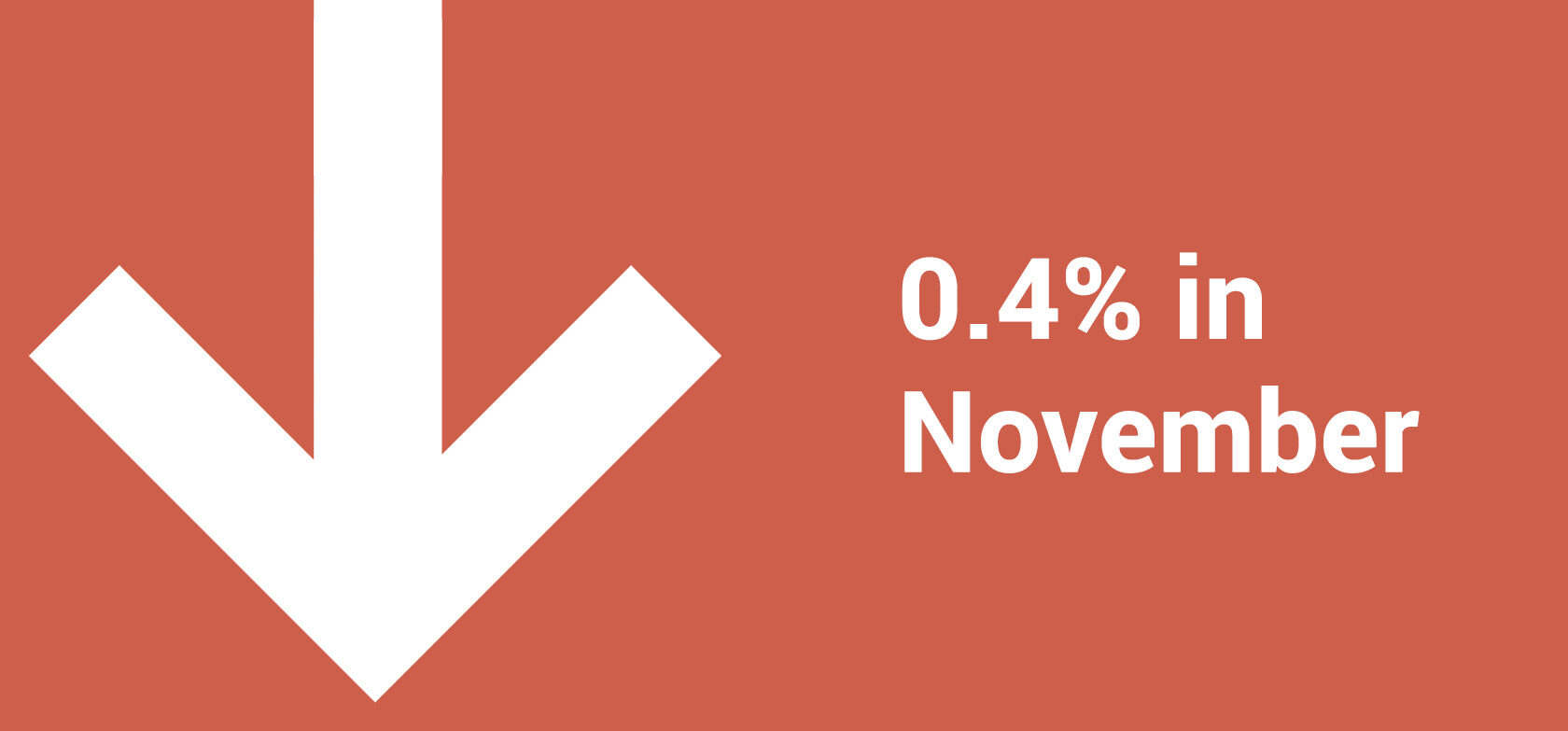
The nation added 210,000 jobs in November, reducing the national unemployment rate from 4.6 percent to 4.2 percent.
For nonprofits, the number of jobs rose by 5,274, driven primarily by increases at religious, grant-making, civic, professional, and similar organizations, according to estimates from the Johns Hopkins Center for Civil Society Studies.
That’s a significant slowdown from October, when nonprofit employment expanded by 44,576 jobs, according to the center.
GDP
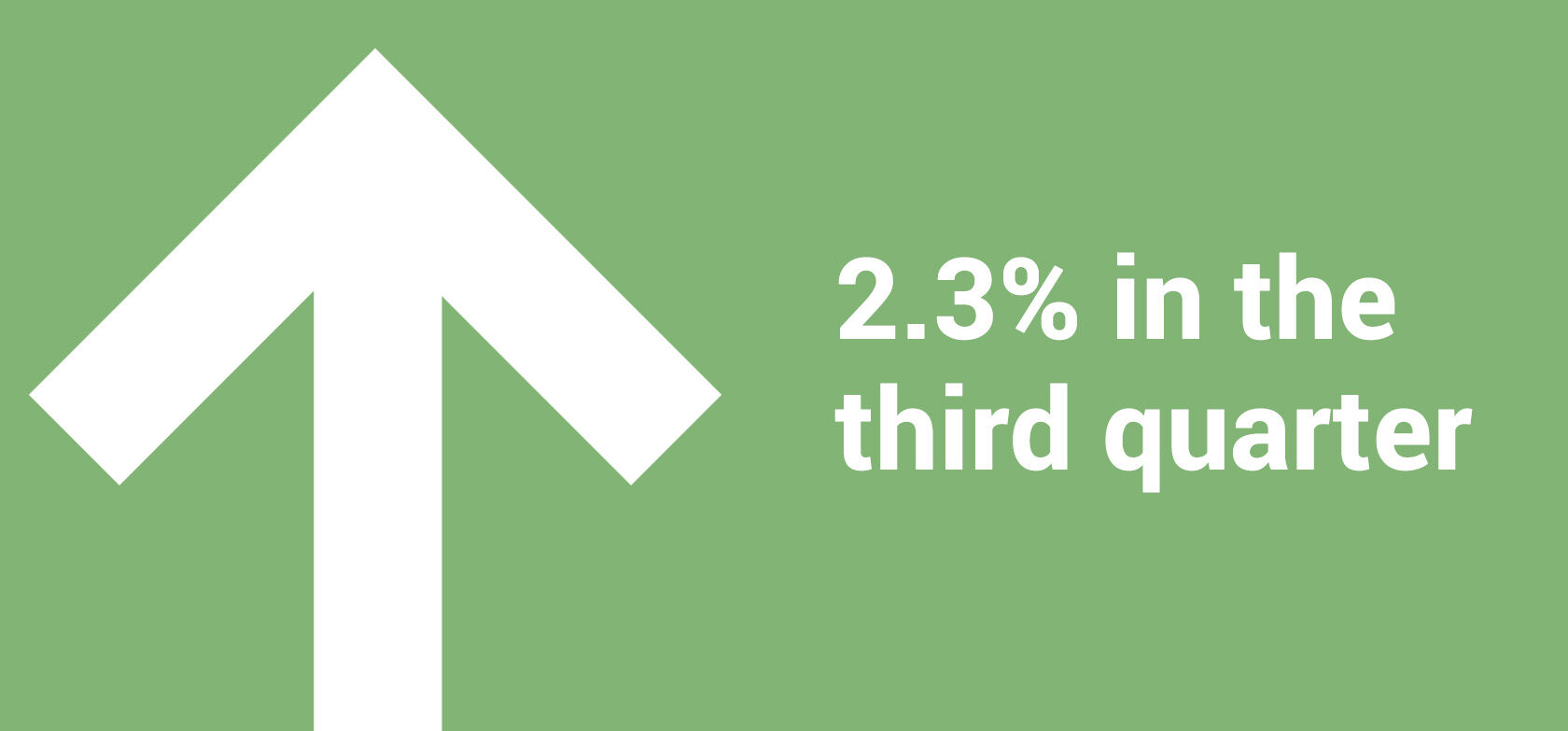
Economists revised the calculation of the nation’s gross domestic product in the third quarter from 2.1 percent growth in a previous estimate to 2.3 percent.
Worries over resurgent Covid infections, inflation, and supply-chain issues have abated somewhat and economists expect fourth-quarter GDP growth of about 7 percent. Looking further ahead, the Conference Board forecasts 2.9 percent economic growth over all of 2022.
Said List: “Things like the stock market or GDP growth, those are always reasonably correlated with charitable giving, and I think those indicators have been so positive.”




