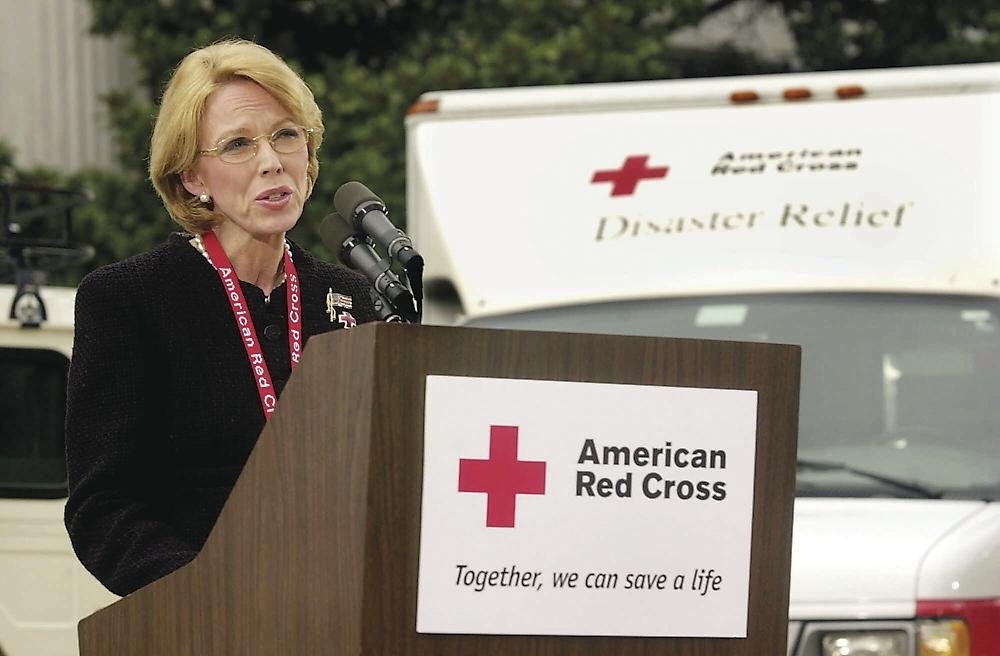
Bernadine P. Healy, Red Cross Chief and Leader in Women’s Health Research

By NICOLE WALLACE
Features Editor
August 21, 2011 | Read Time: 1 minute
Age at death: 67
Major philanthropy job: Dr. Healy served as chief executive of the American Red Cross for two years and led the organization’s initial response to the September 11, 2001, terrorist attacks.
Her time in the nonprofit world: While Dr. Healy sought to improve the methods the Red Cross used to collect and process blood donations and its ability to respond to disasters, her tenure was marred by allegations that the charity had not explained clearly how it would spend September 11 donations, which eventually totaled more than $1-billion. Initially, the organization planned to use some of the money to prepare for future terrorist attacks. After the plan attracted controversy, the organization changed course and pledged that the money would go exclusively to aid victims, their families, and rescue workers. Amid tension with local Red Cross chapters and continuing concerns about the spending of the 9/11 money, Dr. Healy resigned in November 2001.
Other accomplishments: In 1991, Dr. Healy was appointed the first woman to lead the National Institutes of Health. She started the Women’s Health Initiative, a $625-million effort to study heart disease, osteoporosis, breast cancer, and colorectal cancer in middle-aged and older women.
How she will be remembered: One of the most important discoveries of the Women’s Health Initiative was that hormone-replacement therapy increased women’s risk of breast cancer, stroke, and heart attacks. Prescriptions for the hormones plummeted, and there was a 15-percent decline in breast cancer the first year, says Anne M. Dranginis, professor of biology, at St. John’s University. “What Dr. Healy did in starting the Women’s Health Initiative has literally saved millions of women from breast cancer,” she says. “This had real impact on people’s lives, a lot of people.”