

July 24, 2011 | Read Time: 2 minutes
Age at death: 93
Major philanthropy job: Co-founder and board chair of the Betty Ford Center, in Rancho Mirage, Calif. Mrs. Ford held the board leadership post at the nonprofit addiction-treatment organization from its creation in 1982 until 2005, when her daughter, Susan Ford Bales, succeeded her.
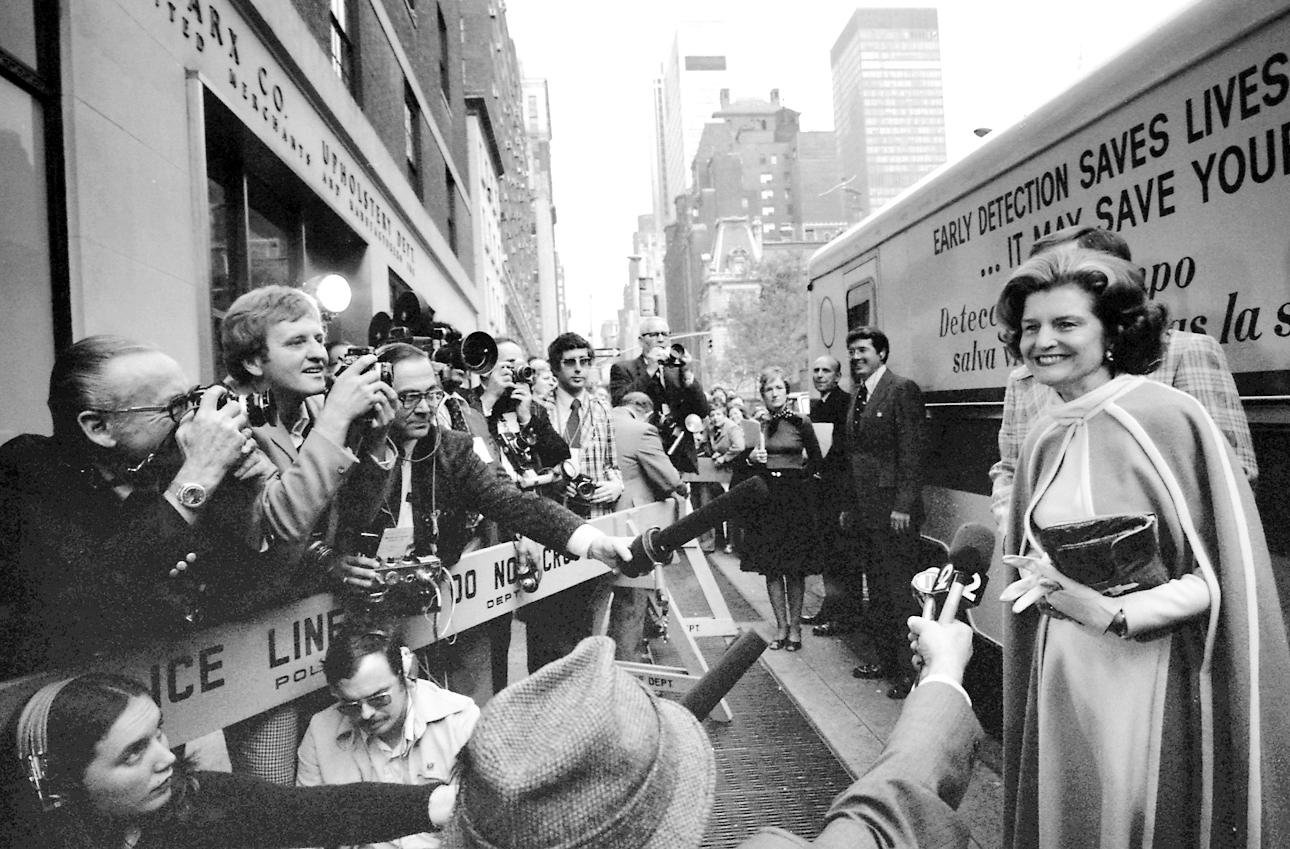
How she made her mark: Through unprecedented personal candor for a First Lady of the United States. Within weeks after her husband, Gerald R. Ford, assumed the presidency in August 1974 following the resignation of Richard M. Nixon, Mrs. Ford was diagnosed with breast cancer. Her openness about an illness that was then often shrouded in secrecy sparked widespread awareness of the disease, and was credited with prompting more women to seek cancer screenings, in an era when mammograms were not common. (Since 1984, the charity now known as Susan G. Komen Race for the Cure has presented the Betty Ford Award, which recognizes recipients for their work in breast-cancer support and education.) After her husband’s 1976 defeat in his bid to retain his office, Mrs. Ford went public about her struggle with alcohol and painkillers—becoming, in her recovery, a champion for medical treatment of alcoholism and drug abuse.
Key accomplishments: The Betty Ford Center (co-founded by Leonard Firestone, a businessman and former U.S. ambassador to Belgium) has treated more than 97,000 patients since its founding. In 2006, the Betty Ford Institute was created to support programs of education, prevention, and research related to addiction.
How she will be remembered: “Here’s a woman who was very public who also was very open about her health, and that’s a major contribution,” says Edward Partridge, president of the American Cancer Society, in Atlanta. “The diseases we are interested in in the nonprofit and health-care area have to be very public for us to be successful. Certainly if you don’t know about it, or you don’t think it’s a problem, you are unlikely to be philanthropic in your giving. It allows us to tap into a group of American citizens that are not directly affected by the disease, but now understand the disease because somebody public has talked about it.”





