
Big Influx of Replacement Credit Cards May Hurt Recurring Donations

By Rebecca Koenig
Contributor
November 5, 2015 | Read Time: 4 minutes
Credit-card providers are sending consumers replacement cards designed to mitigate credit-card fraud. But those cards’ new expiration dates could interfere with recurring online donations — just in time for the year-end giving season, nonprofit technology leaders warned this week.
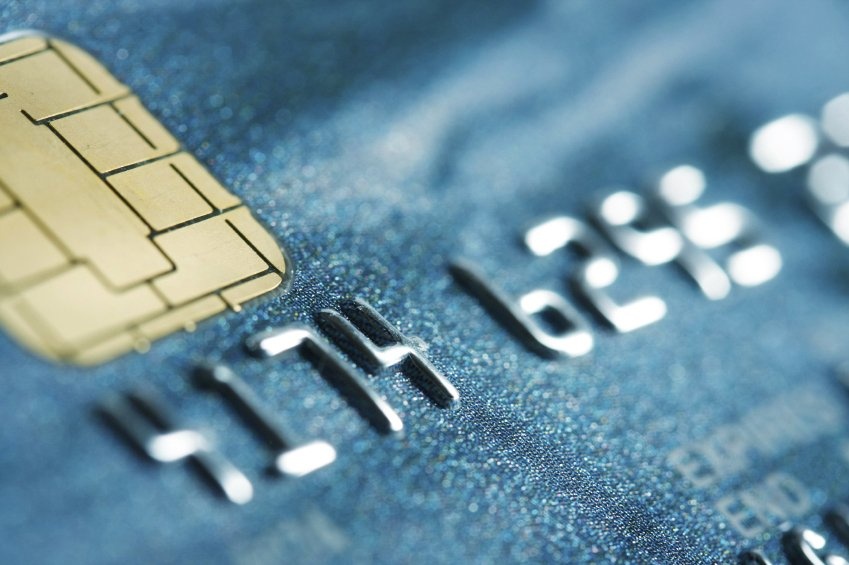
The new cards store information on computer chips instead of traditional magnetic strips. The chips create unique transaction codes during every purchase, making it difficult for thieves to steal data they can use to make fraudulent charges.
The technology itself doesn’t pose a problem, and nonprofits have always had to grapple with changing expiration dates on credit cards. But with so many cards changing this fall, charities that haven’t planned ahead may find themselves losing out on lots of money. Roughly half of the cards in the market have already been replaced with chip technology, said Randy Vanderhoof, director of the EMV Migration Forum, an association of payment companies.
“If a nonprofit is running a strong recurring-gift program, then I would expect them to be prepared for this change. It just might mean some extra focus over the next few months,” said Steven MacLaughlin, director of analytics at Blackbaud, in an email. “If an organization has taken shortcuts along the way or hasn’t automated a lot of the work, then this is going to be painful.”
Already Causing Trouble
The computer-chip technology is not new. Called EMV, which stands for Europay, MasterCard, and Visa, it’s widely used in credit cards outside of the United States. But at least one major company says the influx of so many new cards in the United States is already causing problems.
Last month, Netflix blamed its lower-than-expected number of third-quarter subscribers on “involuntary churn” caused by the large number of replacement cards.
The diagnosis caught nonprofits’ attention.
“After Netflix scared everyone with their announcement about losing subscription revenue due to the switch to credit cards with chips, we’ve been keeping a close eye on our subscription giving but haven’t yet noticed any dip,” said Oliver Hurst-Hiller, chief technology officer at DonorsChoose.org, in an email.
DonorsChoose.org pays for a service, offered by companies such as Braintree and Blackbaud, that automatically updates information about donors’ credit cards that are set to expire.
Similarly, in anticipation of the new cards, the fundraising platform GiveCentral created an automatic system that works with Visa and MasterCard to update credit-card information within two months of their expiration dates. Over the past two months, the system updated 25,000 cards and saved $31 million in recurring donations that could have been lost, according to chief executive Patrick Coleman.
Spotting Problems
Regardless of what systems nonprofits use, it’s important that they detect failed recurring donations and make it easy for donors to correct the problem, said Kevin Conroy, chief product officer at GlobalGiving.
“Far too many programs will cancel your payment automatically or expect the donor to create a new donation for it to go through,” he said in an email. “That’s an easy way to lose money.”
New Card-Reading Devices
Nonprofits that accept in-person donations via credit card or that run retail stores will feel the effects of the EMV migration in another, more direct way. As of October 1, credit-card companies are pressuring merchants to adopt devices that read the new chip cards. Organizations that don’t will be held responsible for repaying the cost of fraudulent charges made to those cards — although the chips should decrease the risk of those charges occurring.
Financial institutions are issuing chip cards faster than charities and others are adapting to the technology, Mr. Vanderhoof said, which means that many organizations are leaving themselves vulnerable.
And as more groups adapt, he said, those that don’t “may become more likely targets for that type of fraud in the future than they ever would have been in the past.”
To comply, the Goodwill of Greater Washington spent “several thousand dollars” purchasing new card readers for its 15 stores and trained employees to use them, said chief information officer Jeff Cole. But the branch’s point-of-sale software was not ready to process EMV chips by October 1. So the Goodwill chapter is renting devices for $70 each that can handle the chips until the software is updated.
The devices proved immediately useful, Mr. Cole said: During the week of October 1, about 50 percent of customers in his stores used credit cards with computer chips.





