August 3, 2015 | Read Time: 2 minutes
A green revolution is sprouting behind the nation’s prison walls, as more nonprofits work to make sure prisoners return to society healthier, more peaceful, and more productive.
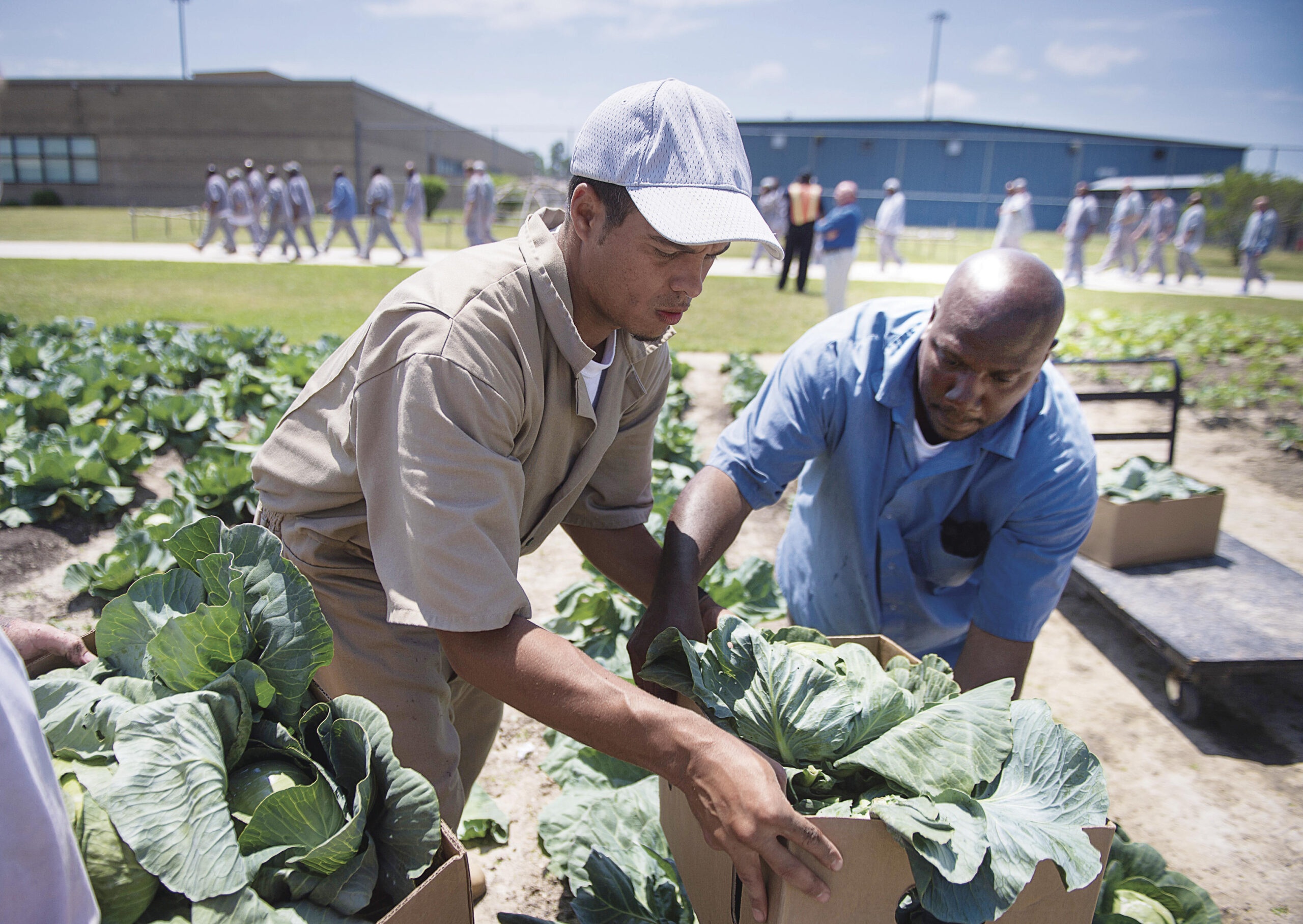
Inmates care for fruits, vegetables, and flowers in gardens at as many as 200 correctional facilities, according to estimates by the Sustainability in Prisons Project, a joint program of Evergreen State College and the Washington State Department of Corrections.
The project runs horticulture programs in all 12 of the state’s prisons, and it has trained nonprofit and government officials who now run similar programs in five other states.
Connecting with nature by gardening — a new experience for many prisoners — helps reduce violence and discipline problems and gives inmates job skills and a sense of accomplishment, says Kelli Bush, the project’s program manager. Demand is growing: Ms. Bush fields calls from would-be garden organizers every two weeks.
Sources of support for the gardens vary. Insight Garden Program, a California charity that runs prison horticulture programs, is expanding from two prisons to four this year, thanks to state aid. The Sustainability in Prisons Project supports its work with money from foundations and individuals.
The fledgling movement is starting to show results: A study by Insight Garden found that less than 10 percent of 117 program participants returned to incarceration after three years, besting national statistics from the Pew Charitable Trusts showing that at least one in four released prisoners are sent back to prison in that time span.
Many prison gardens share their bounty with local food banks, providing both donations for the charities and karmic benefits for prisoners seeking redemption.
“A lot of these folks really do want to do something positive,” says Ms. Bush. “We want to encourage them to have that kind of addiction — to giving back.”
Here, inmates Don Vass (left) and Walter Labord harvest cabbage at Maryland’s Eastern Correctional Institution.