

August 2, 2016 | Read Time: 4 minutes
Fundraising analytics is a nascent field, and ideas that analysts noodle around with today could become the cutting-edge approaches of tomorrow. Here are two still largely on the drawing board:
Text Analysis
So far, fundraisers have focused mostly on numeric data, like contributions and income. Michael Pawlus is trying to unlock insights hidden in the reams of words his institution collects and generates.
Grand Valley State University in Allendale, Mich., where he serves as assistant director for prospect research and development, annually surveys its graduates. Among the questions: Who at the university had an impact on you?
Mr. Pawlus extracted the answers and tabulated who was named most — valuable knowledge the development office could use to build ties with young supporters, he says. The professors and staff named in the survey resonate with those alumni and could be featured in communications. The university could also raise money to name scholarships after popular campus figures.
Until now, Grand Valley State hasn’t thought to put the survey answers to work in this way, which surprises Mr. Pawlus. “I can’t believe so many people are spilling their hearts out about how much this university meant to them,” he says, “and we’re not trying to leverage that at all.”
Another rich vein of information he is trying to tap: fundraiser reports detailing interactions with potential donors.
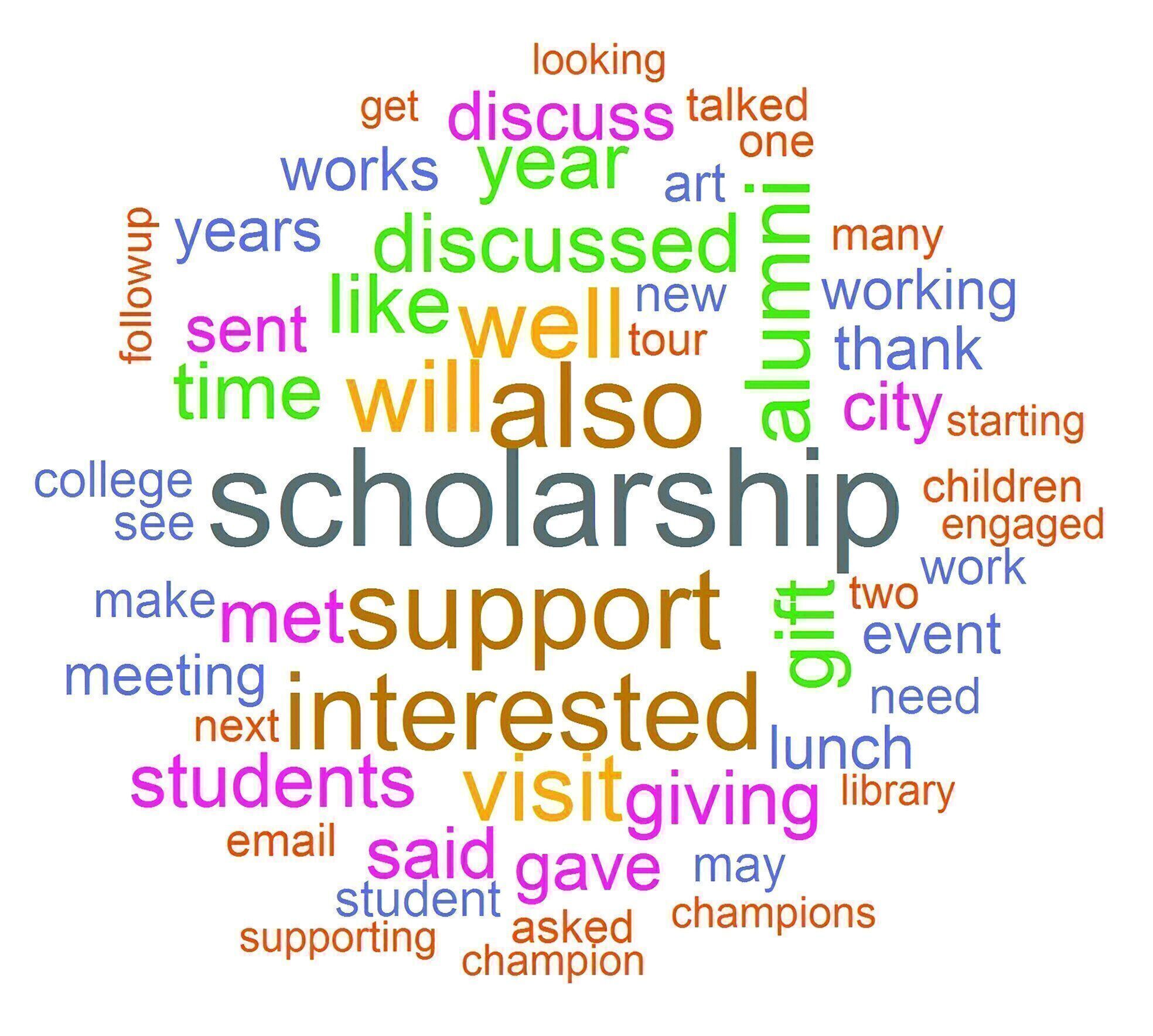
Academics have analyzed common English words and matched them with emotions, noting whether they’re generally used to convey positive or negative thoughts. Mr. Pawlus built a word cloud from fundraiser reports and checked the most frequently used words against a database of word-emotion connotations. Though he couldn’t clearly gauge the tenor of fundraiser-donor relationships, he thinks there’s useful information in such analyses. For example, a word cloud made from reports of visits with donors could help new fundraisers get an overview of the contributors’ interests and previous discussions with gift officers.
Identifying Giving Patterns
Many fundraisers rely on rules of thumb to predict what donors will do. For example: Supporters who give small amounts faithfully over many years are prime candidates for planned giving.
Whether or not these maxims are always true, there are patterns to how donors give. And some fundraisers hope to use data to reveal the patterns they don’t see. One strategy: Identify donors who are clustered on a similar giving trajectory.
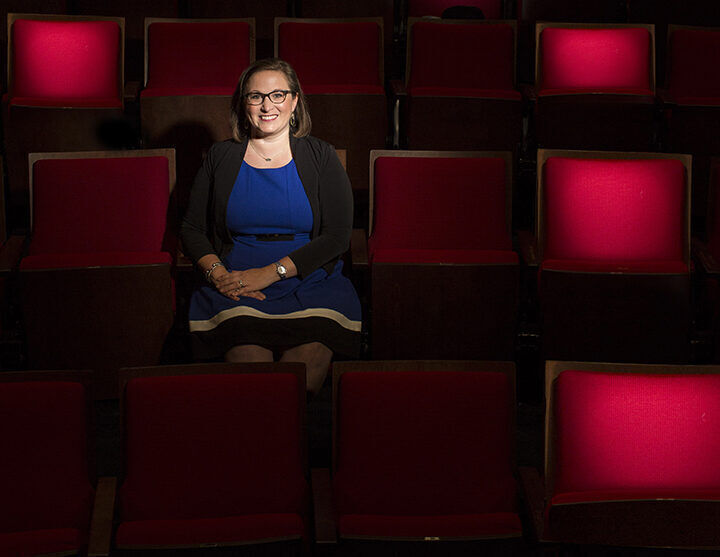
“We have algorithms that will create those clusters for us better than anybody could,” says Jennifer MacCormack, associate director for advancement analytics at the University of Washington. The university has started work to determine the groupings. Later, fundraisers will create personas for each segment to help tailor solicitations to each group.
“There is a difference in the way someone who might be a donor for 20 years is going to respond to a communication versus someone who has just started giving in the past five years,” says Ms. MacCormack. “They’re not the same donors.”
Memorial Sloan Kettering Cancer Center has a similar plan to identify donors’ common giving pathways. Once analysts map out those routes, they should be able to predict each donor’s path and how much each person is likely to give over time, says Kate Chamberlin, the hospital’s director of development analytics and process.
With that information, she says, Memorial Sloan Kettering can develop programs to encourage people who are on a track toward making large gifts. Fundraisers also hope to figure out ways to identify people who have changed course.
Says Ms. Chamberlin: “Maybe we really, really should be sending this person information about planned giving, because they’re just suddenly saying, ‘Hey, count me in.’ ”





