Brooklyn Fund Pauses Giving While It Consults Residents

By Alex Daniels
Senior Editor, Foundations
March 23, 2014 | Read Time: 4 minutes
In 1999, when the Mark Morris Dance Group took over a long-vacant, dilapidated dormitory in a rundown corner of Brooklyn, it was welcomed to the neighborhood by the local community foundation. The foundation chipped in over the years, subsidizing rehearsal space for dancers and creating a welcome home base for artists.
The dance group, one of more than 100 nonprofits that have received cash from the foundation over the years, is now waiting anxiously to see if the support will continue.
The Brooklyn Community Foundation suspended all grants last summer as it worked on a plan to get Brooklyn residents more directly involved in shaping the organization’s grant making. In January, it started six months of meetings with residents to get a sense of the area’s most pressing problems and what the role of the foundation should be in solving them.
Haves and Have-Nots
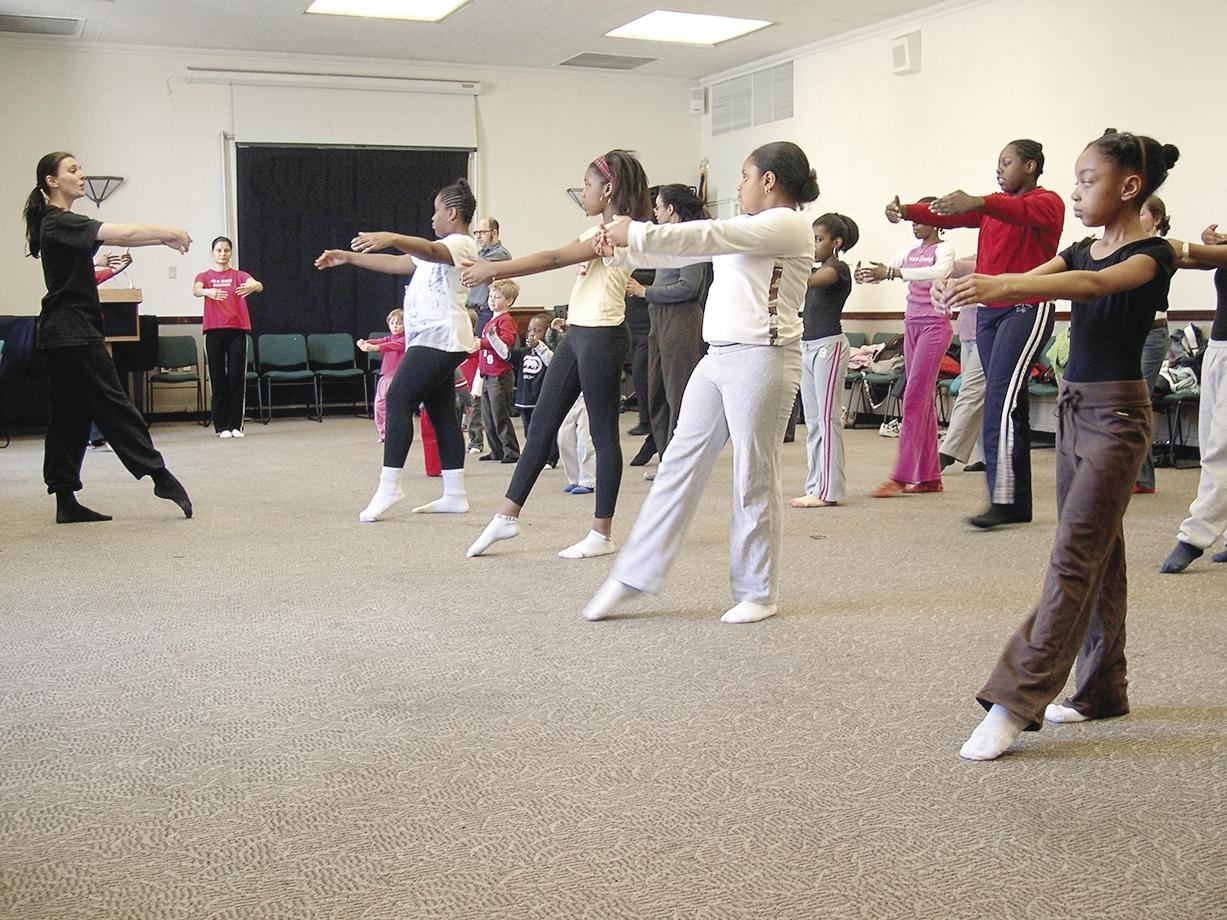
Since the Mark Morris Dance Group opened its studio, developers have erected towering glass skyscrapers in the neighborhood, the Brooklyn Nets professional basketball team has settled into a massive area nearby, and nearly 2,000 apartment units are set to open over the next year within a few blocks of the facility. The group offers dance classes for all ages. Competition to get in is fierce, says Nancy Umanoff, the group’s executive director.
“Brooklyn is hot,” she says. “Brooklyn is a brand.”
But the increasing popularity of the borough among the wealthier set has resulted in tension between what New York Mayor Bill de Blasio—a Brooklyn resident—calls New York’s “two cities,” comprising the haves and the have-nots.
While Brooklyn has drawn higher earners to its brownstones and condos, longtime residents have been forced to deal with higher rents.
“Sometimes there’s tremendous ignorance among newcomers about the displacement in communities they are relocating to,” says Lucas Shapiro, senior organizer of Families United for Racial and Economic Equality, a group that advocates for Brooklyn’s low-income residents. “There are some real losers in this situation.”
It is not clear what direction the foundation will take, but its leaders say support for the arts is likely to decline as the group attends to the needs of those who have been left out.
“It’s not an abandoning of the arts,” says the Rev. Emma Jordan-Simpson, a member of the Brooklyn Community Foundation’s board. “But there’s no way we can support them like we have.”
Staying Afloat
The $20,000 the Brooklyn fund provided to the Mark Morris Dance Group in 2012 didn’t add a lot to the organization’s balance sheet. The nonprofit tours internationally, and that year it drew more than $5-million in donations, ticket sales, and other earnings.
But Ms. Umanoff says if the Brooklyn Community Foundation pulls its support, she’ll need to find other donors to help keep afloat the company’s subsidized rehearsal space, free dance classes for children in public housing, and dance therapy for people with Parkinson’s disease.
She’s also worried about competition from the foundation as it seeks donations.
“Everyone’s after the same money,” she says. “Are they competing with us for Brooklyn donors? If they’re not going to fund culture, are they going to be approaching significant donors in the community and switching their focus?”
Unrestricted Money
Even groups that work more directly with low-income clients, such as the St. Nicks Alliance, are worried about what the Brooklyn Community Foundation’s new giving strategy will mean for them, especially if the grant maker decides to focus on a specific cause or neighborhood.
The $25,000 it received from the foundation in 2012 is a small part of the $2.2-million the alliance spends annually to train people to become exterminators, hazardous-waste technicians, and truck drivers. But that support could be used for general operating expenses, unlike, say, the financial assistance it gets from the New York City Housing Authority, which is earmarked for specific programs.
“They don’t pay for the case-management support, which helps us navigate our clients through our services,” says Carolann Johns, the group’s managing director for work-force development. If the Brooklyn Community Foundation decides not to restore its support, she’s worried her group will lose money to pay for overhead costs.
No decision has been made yet, but Cecilia Clarke, who became the president of the Brooklyn Community Foundation in September, says grants for operating expenses, like the money that helps keep St. Nick’s afloat, might be put to better use elsewhere.
“Our grant making has been broad and not deep,” she says. “In some ways, we have been a lifeline for many grantees, but what would actually happen if we went deep and could see if we could really have a transformative impact?”