
Charities Can’t Avoid the ‘Street Fight’ of Lobbying Policy Makers, Says Activist

By Caroline Bermudez
Contributor
February 10, 2013 | Read Time: 4 minutes
Nonprofits should not fear lobbying and must approach it with the same tenacity as businesses, says Ilir Zherka, who in September was named executive director of the National Conference on Citizenship.
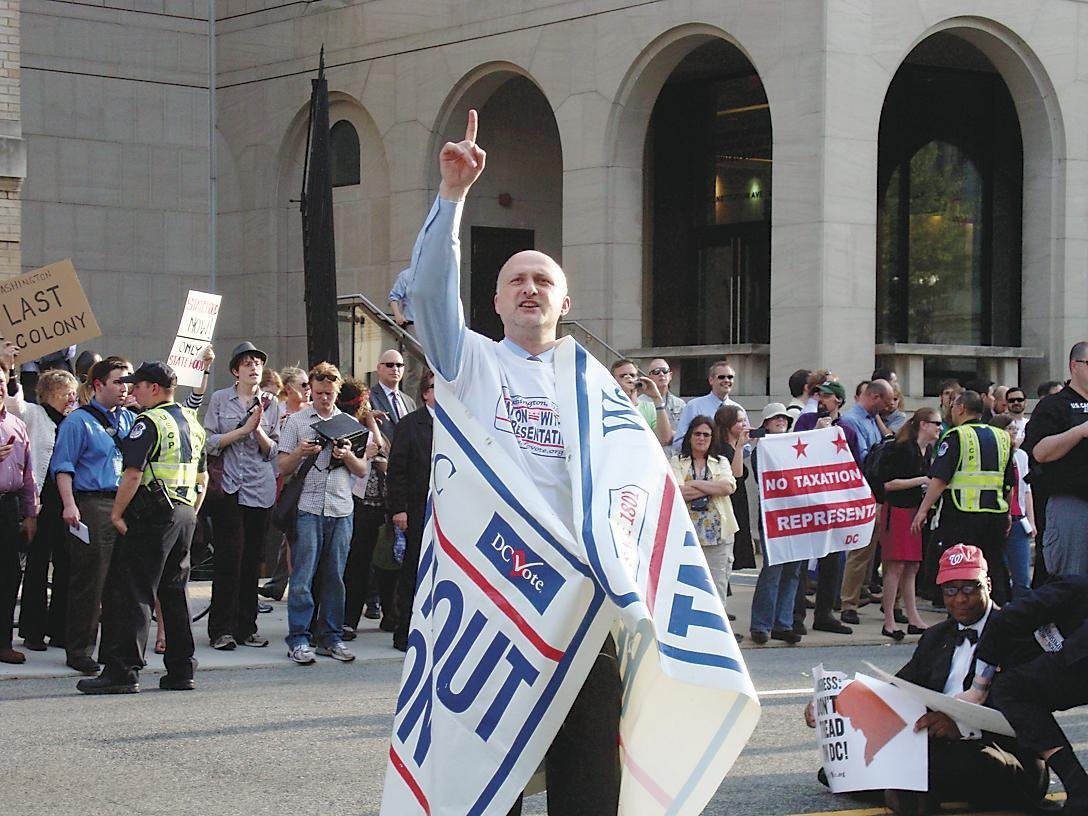
Mr. Zherka, a former leader of DC Vote, a group seeking Congressional voting status for the nation’s capital, has published Winning the Inside Game: The Handbook of Advocacy Strategies. In an interview, he shared advocacy advice:
What advice would you give to nonprofits new to lobbying?
Try to frame the issue you want to talk about. What are you trying to achieve? What does it mean to other people?
A lot of people who want to see change in a particular field often are attracted to a framing that is meaningful for them but may not work for other people—for example, “global warming” versus “climate change.” The environmental movement started off with the “warming” framing and it didn’t work for a lot of people. They tried to switch midstream and it was hard.
Thinking about and recruiting a champion is critical, especially for organizations starting out. Who are your allies? In whatever legislative body you’re looking at—whether it’s a local city council, a state legislature, or the U.S. Congress—who are the folks that sit on the committees that have jurisdiction over the issue you care about? Having that person and that person’s staff help you think through the strategy is hugely important.
You need to avoid extremes whenever possible. Look for ways to accomplish your legislative agenda without being overly dogmatic. If you’re overly dogmatic, you will lock people in to opposition to your approach.
What other steps should they take?
It would be really hard for a nonprofit to be successful, even a large one, without being in a coalition.
Look at other organizations that are trying to achieve the same results you’re trying to achieve and get together to work with those groups.
Once nonprofit leaders have brought together other nonprofits, then you can figure out who takes the responsibility for organizing the meetings and which of the organizations will take responsibility for organizing some of the material.
Nonprofits shouldn’t try to achieve advocacy goals alone. The larger your coalition, the more coherent it is.
What lessons did the successful Obama presidential campaigns teach nonprofits?
From the 2008 campaign, a lot of people assumed that [President] Obama did really well because he and his campaign mastered the Internet and used social media to organize people and get them out.
In fact, the leadership of the Obama campaign from 2008 has said very directly that it was old-fashioned, people-to-people organizing that won the election. There’s absolutely no substitute for people talking to people, and that’s true for organizing at the grass-roots level.
You call lobbying a “street fight.” Are nonprofits too nice when it comes to lobbying?
Back in November, I went to a breakfast meeting of about 400 executive directors and there was a business leader talking about the coming tightness of budgets. This person’s prescription was you must do more with less. I raised my hand and got up and asked, “What about asking for more money?”
There will be during this period of austerity, and there are now, business lobbies asking for bigger tax cuts, more subsidies, and they’re not scaling back their demands because there’s a greater fear of deficits. They’re working harder to get their slice of the pie, however large the pie is.
Advocacy organizations absolutely need to fight really hard for resources and to have their voices heard and to ensure that the most vulnerable populations aren’t made to sacrifice the most.
The changes that most nonprofits want to see are difficult to achieve because they involve a lot of money, a change in culture, a change in focus. By their nature, they are hard for legislators to take from idea to completion.
What that means is you have to have a carrot and a stick: They need both the motivation of a win—“this is going to be great for me and my constituents”—and the fear of a loss—“this is going to hurt me in my election.”
What were the toughest lessons you learned in your tenure with DC Vote?
Advocacy is a marathon. You’re not going to, in most cases, organize yourself around an issue, introduce it to a champion, have a bill introduced and passed in a legislative session in one year. It takes years. Really successful organizations are adaptive, adjust their positions and approaches, and shore up their bases in order to move forward.




