
Charities Gear Up Fall Appeals Despite Fears of a New Recession

By Raymund Flandez
Contributor
October 2, 2011 | Read Time: 5 minutes
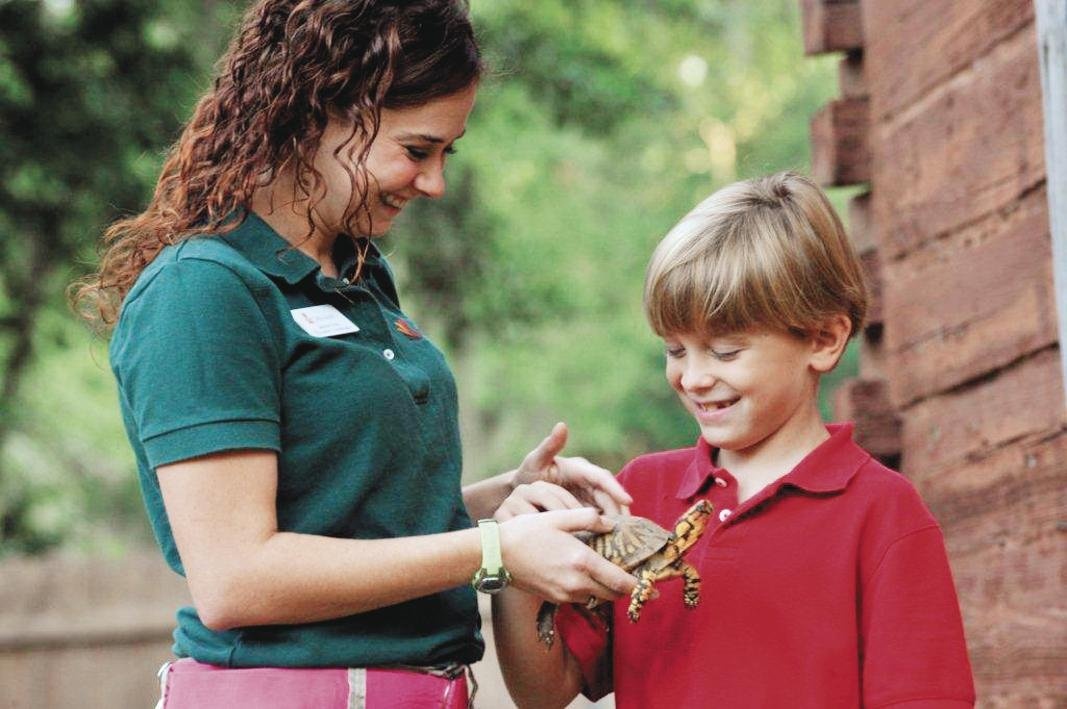
At the Chehaw Park Foundation, the fund-raising arm of the Albany, Ga., state park and zoo, fund raisers told a key donor a few months ago that they expected the fall to be a difficult time to seek donations as concerns mounted about the state of the global economy. They asked her to make a big gift to help hire a consultant to offer advice on how to make the group’s fund-raising efforts more sophisticated and effective.
The donor provided $20,000, enough for a one-year stint with the consultant, says Doug Porter, the foundation’s executive director. “It’s way more than we’ve ever received” from one person.
Around the country, the park and other nonprofits are going into overdrive to make sure the year-end giving season is strong, even as donors are shaken by the twists in the stock market and high unemployment rates.
“We can’t say, ‘Woe is me, the economy has gone bad,’” says Allison Porter, executive vice president of Avalon Consulting, a Washington company that offers fund-raising help to nonprofits. “Instead, the question should be, ‘What can we do?’”
Big nonprofits aren’t pulling back or changing their approach much because of the recent bad economic news, The Chronicle found in dozens of interviews with fund raisers and consultants.
For instance, none of the clients at Merkle, a Columbia, Md., direct-marketing consulting firm that helps charities raise $380-million annually, have cut back their direct-mail appeals this year, and half are spending even more than they did last year. The rest are spending about the same as before.
A Jump on the Holidays
Many nonprofits are adjusting the timing of appeals, however, in part to get ahead of the onslaught of holiday pitches donors will receive.
The Associated: Jewish Community Federation of Baltimore, for example, is doing all it can to make its push now. It has moved its Super Sunday phone fund-raising drive, in which volunteers gather to solicit gifts, from just before Thanksgiving week to late September.
“That’s certainly an important tactic for this year,” says Mark Smolarz, the group’s chief financial officer. “The first one gets the fish.”
Russ Reid, a consulting firm that advises charities around the country, says some clients, especially food banks and groups that serve the homeless, sent holiday appeals as early as August. Some sent pitches that focus on Thanksgiving last month and are planning to send appeals for Christmas in November.
While many charities are not letting the bad economy get in the way of their fund raising, small groups and organizations that run events are pulling back.
CharityHappenings.org, an online ticketing company that manages about 600 nonprofit events a year, reports that numerous events have been canceled or rescheduled, although it says the cancellations are not as common as in 2008 when the economy crashed.
Small organizations planning new fund-raising events face the toughest time because of donors’ jitters about the economy, says Justin Baer, founder of the New York company. “That’s the big concern, that the small organizations are getting hit.”
Such donor anxiety is a problem for many groups as the fall fund-raising season opens.
The Solomon Dixon Foundation, a year-old Germantown, Md., volunteer group that provides a home-cleaning service for people undergoing chemotherapy, had to cancel its inaugural yoga-and-brunch cruise around the Potomac River in late August.
Tickets, which cost $195, weren’t selling well, and people were requesting more time to pay.
So organizers are moving it to spring instead and thinking about letting people pay for tickets in installments.
Many people mentioned that they had to save up for the cruise or were going through a hard time financially, says Maketa Dixon, the group’s founder. “People just could not afford it.”
Pledge Now, Pay Later
Even bigger organizations say they need to be nimble to cater to the needs of affluent donors as the last quarter of the year approaches.
Among them: The National Parks Conservation Association, which hopes to complete a $125-million campaign by December 2012. It has just $13-million to go.
The Washington organization, which started the drive a year before the financial markets collapsed in 2008, is giving its fund raisers flexibility in setting up payment plans for big gifts. Donors can pledge now and not pay anything until next year.
That’s a response to donor requests to have a longer time to repay gifts.
“We have to see what works for the donor,” says Ray A. Foote, vice president of development. Still, the economy continues to be a drain: A couple who recently made a $125,000 commitment said they would like to do more when the economy settles down.
Too Cautious
Many fund raisers and nonprofit consultants say the focus this fall should be on soliciting gifts from loyal past donors and those who have not given for a while.
Central Union Mission, which clothes and feeds the poor in Washington, is one group that is putting most of its energy into soliciting people who gave in the past, instead of seeking new ones. That’s in part because attracting new donors has been so tough. In better economic times, it attracted 11,000 new donors in a year; now it gets about 8,000.
It goal now is to get the e-mail addresses of 2,000 donors whose mailing addresses it already has so it can appeal to them online instead of just using direct-mail solicitations.
But not all fund-raising experts see the wisdom of focusing exclusively on past supporters.
Roger Craver, chief executive of DonorTrends, a fund-raising consulting firm in Washington, says it’s “absolutely the wrong move” to stop recruiting donors because the economy is stagnant, he says.
Many groups that take that approach, he adds, create their own “recession” a few years after they stop seeking new supporters and then have done nothing to replace longtime donors who die, move away, or otherwise stop giving.
“What is really, I guess, a natural reaction to be cautious is exactly the wrong action when it comes to fund raising,” Mr. Craver says.




