November 18, 2011 | Read Time: 3 minutes
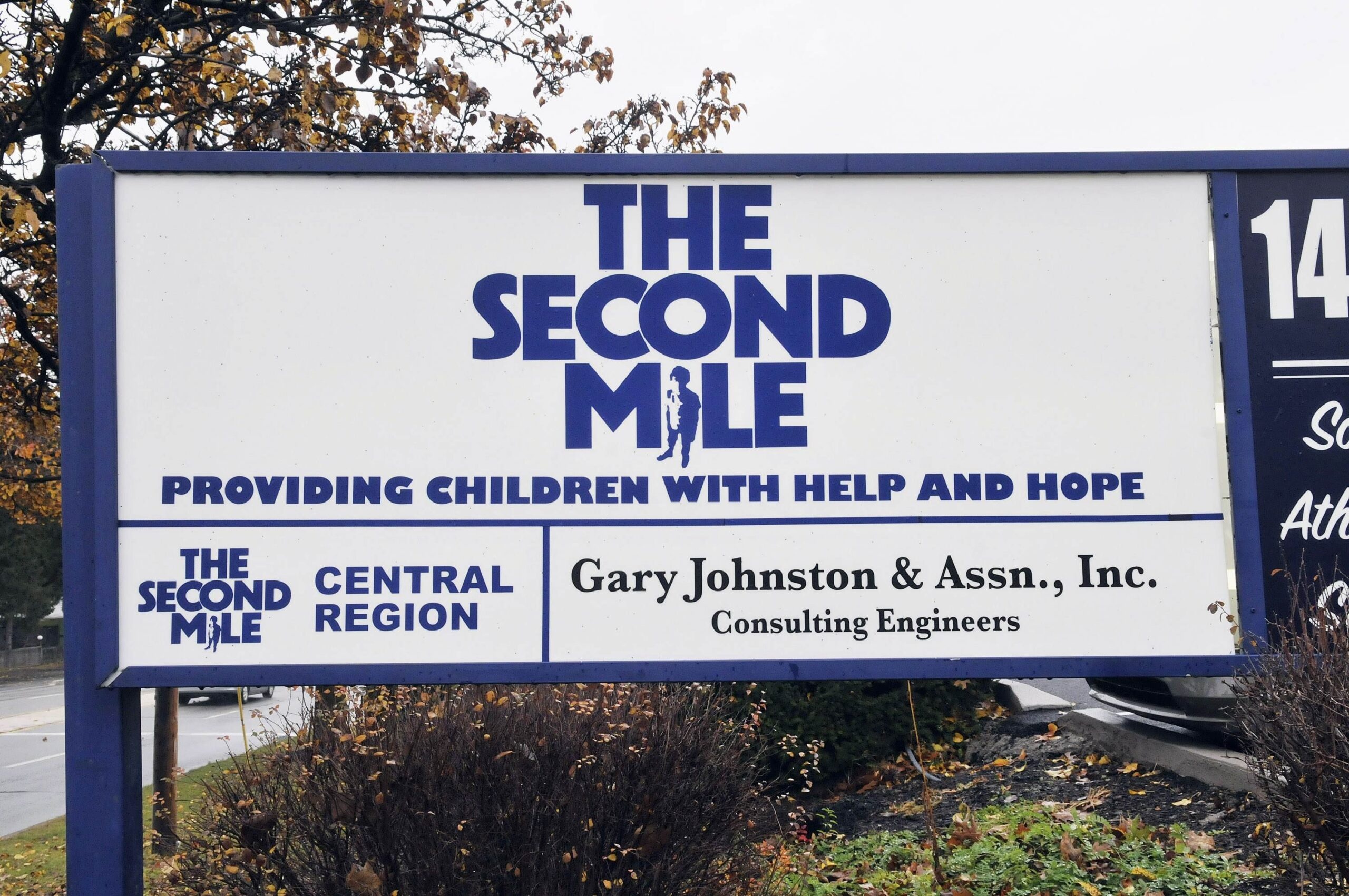
The Second Mile, the children’s charity that has been at the center of a sexual-abuse scandal for the past two weeks, said it is considering folding and transferring its programs to other nonprofits that work with youths.
Following an 18-month grand-jury investigation, the Pennsylvania Attorney General this month charged Jerry Sandusky, a former Penn State football coach and founder of the Second Mile, with sexually abusing eight boys he had met through the charity. The grand jury said that on two occasions, in 1998 and 2002, Second Mile officials were notified that Mr. Sandusky had engaged in inappropriate sexual behavior with minors. Mr. Sandusky told NBC this week that he had not done anything wrong.
Officials of Second Mile acknowledged that Jack Raykovitz, who stepped down this week as chief executive, was told in 2002 that Mr. Sandusky was seen in a Pennsylvania State University locker-room shower with a boy but that university officials assured him that nothing inappropriate had occurred. Six years later, Mr. Sandusky told the charity that he was under investigation for a separate allegation of abuse, and the charity said it immediately prohibited him from all activities involving children.
Questions of Lawsuits
By announcing that it could dissolve, the Second Mile may be attempting to protect itself from potential lawsuits over its role in any criminal activity, says Tracy Boak, a New York lawyer who formerly led the charities bureau at the Pennsylvania Department of State.
The Second Mile said in a statement that it is talking to donors to try to figure out its next steps and that it is considering two possible changes: closing and transferring its programs to other charities, or restructuring its operations and running its existing programs with reduced service and less money.
“If it’s no longer an entity, it can’t be sued,” Ms. Boak says. “The charity could also be arguing that with such negative publicity, they would never be able to survive and that in the best interest of all constituents, they will dissolve and give the money to other deserving charities.”
Second Mile has $9.5-million in assets that could go to other charities that takes over its programs. But because the process of dissolving a charity takes a while, lawyers said it is possible that victims of abuse could still sue and a court could decide they deserve money from the charity to compensate for their suffering.
When a charity dissolves in Pennsylvania, a special court has the final say over where its assets are transferred. However, Attorney General Linda Kelly has the power to intervene, especially if she wants to ensure that funds are set aside to compensate people who are found to be victims.
Internal Investigation
Little is known about how much charity officials knew about the alleged abuse. The group announced this week that it would conduct an internal investigation led by Lynne Abraham, a former prosecutor, who will serve as the organization’s general counsel.
“We are doing everything in our power to investigate and understand what happened,” the charity said in a statement. “We are deeply troubled by the factual allegations in this case.”
David Woodle, the charity’s interim chief executive, told The New York Times that Ms. Abraham will examine how much contact Mr. Sandusky had with children participating in the charity’s programs and whether the organization acted appropriately after it learned of allegations against Mr. Sandusky. That report is expected in December.
While the nonprofit’s assets could be protected by its dissolution, that won’t help board members or executives if victims of abuse decide to sue them for their alleged role in any wrongdoing.
Board members of a charity can be held liable under state law for reckless failure to perform their duties, even if the charity no longer exists, says Kim Zeitlin, a nonprofit lawyer in Potomac, Md., who wrote The Nonprofit Board’s Guide to Bylaws.
“The lawsuits will come like thunder. I would not be surprised if the Second Mile gets sued or if individual board members are sued,” says Mr. Zeitlin. “And unlike the university, which arguably was not in the position of supervising children, the charity was.”