
Charity Co-Founder Plans to Make Videos to Pass On Knowledge to Her Successors

By Michelle Gienow
Contributor
June 24, 2012 | Read Time: 2 minutes
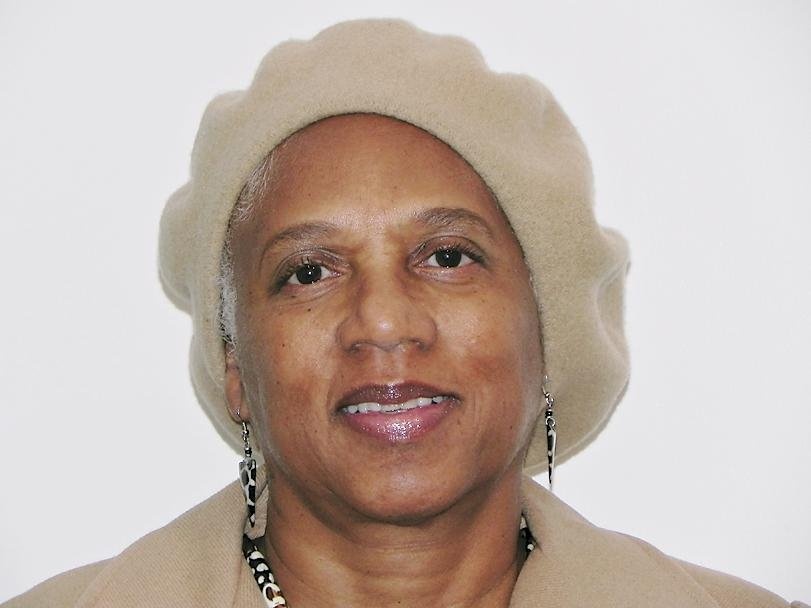
It’s been 23 years since Norma Mtume co-founded Shields for Families, a social-service nonprofit in Los Angeles. As chief financial officer, she is on the front lines, coping with the bad economy and ever more complex government rules.
Ms. Mtume, now 63, is thinking about retiring in two years. After working full time since she was a teenager, she says, she is now ready for a rest: “I’m looking forward to doing a whole lot of nothing, initially. Taking four to six months to travel and spend time with my family.”
Like the vast majority of retiring nonprofit leaders, she wants to stay involved in helping good causes, but in a less demanding role.
“Once I’m good and bored, I will get back involved and get on some other boards, do volunteer work that I can manage, and do as much as I want to do,” says Ms. Mtume.
She works considerably fewer hours than she used to, but still puts in 45 to 71 hours a week. “I’m pretty sure I’ll be working until the day I can’t see or write or stand or talk anymore. But I sure don’t want to go as hard as I’ve been going.”
A Video of Her Work
Ms. Mtume is preparing her charity for her eventual departure by considering ways to pass on her skills. “I have some serious concerns about how things will go after I leave,” she says. “It’s not that I’m irreplaceable, but all that I have in my head would be valuable for anyone coming behind me. You just never have time to write all this stuff down.”
To create a record of her duties and concerns, Ms. Mtume plans to ask a film-school intern to document her at work, so “in case I get hit by a bus, someone could look at this and see what I do and not have to work too hard to figure it out.”
She is excited by the idea of passing the torch to a younger generation, not just personally but on behalf of other baby-boomer nonprofit leaders.
“We, as more seasoned folks in the field, have to really be open to giving younger workers a place at the table that is real and putting their suggestions to work,” she says. “It’s a great opportunity for peer experience in training—they can teach us even as we teach them.”
Which is how these days, she says, “I can sit in my rocking chair playing with my iPad.”




