Client Communication Helps Boarding School Shift Gears Quickly in Response to Ebola

By Debra E. Blum
Contributor
February 8, 2015 | Read Time: 3 minutes
When the boarding school that More Than Me, an American charity, was running in Liberia was abruptly shut down by the government last summer because of the Ebola crisis, the organization dramatically switched gears to address the epidemic. It turned its facilities into a makeshift disaster-response center, with a temporary shelter for children, and started an ambulance service.
One thing that didn’t change: More Than Me’s commitment to—and reliance on—communicating frequently with its constituents.
“Feedback for us has always meant hearing from our students, their families, the community,” says Emily Bell, the group’s marketing and development manager. “We couldn’t run our programs without it.”
More Than Me had regularly encouraged feedback, she says, from the student council and parent meetings at the school and from the West Point Working Group, a forum the charity created to connect with local government officials, businesspeople, and other nonprofits. Now, the charity is using those types of networks for daily communication with staff members, volunteers, residents, and other responders and is using the information it gets to make quick changes.
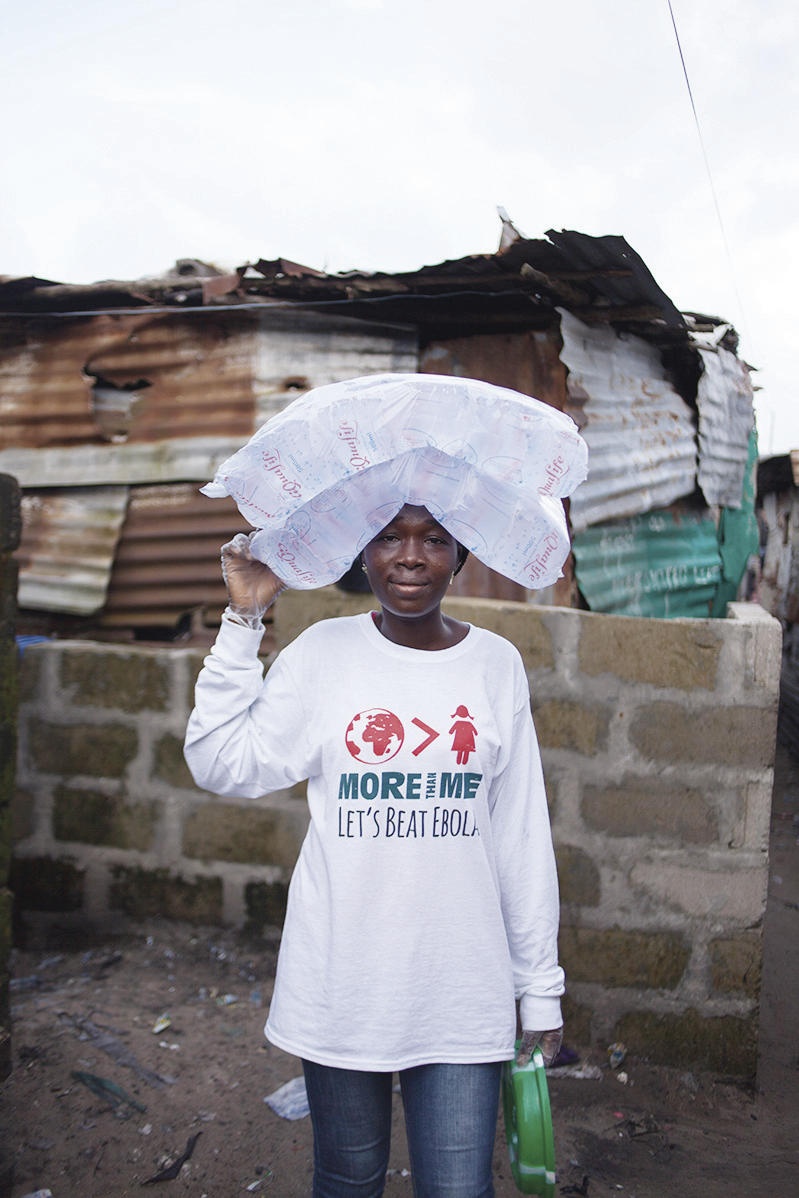
When More Than Me learned that poor weather may have been keeping some workers and volunteers from spreading information about the disease door-to-door, the charity supplied them with boots and rain gear. When the charity learned that having the word Ebola written on the canvassers’ shirts was frightening residents, it distributed new uniforms. And when canvassers reported that residents had other health needs besides Ebola, More Than Me started sending nurses to visit the homes, too.
Gathering Comments
Along with the face-to-face comments it collects from canvassers and the town hall-style community meetings it runs, More Than Me has also been able to get feedback from patients and their families by cellphone. The charity gives phones to patients at health-care centers so they can be in touch with their families and with More Than Me social workers.
When social workers reported that patients who were recovering from Ebola were worried about what it would be like to return home with so much stigma and fear surrounding the disease, More Than Me started working on issues related to reintegration.
Cellphones are integral to More Than Me’s collection of other disease and response data, too. The charity uses the Ebola Care App, developed in South Africa, which can digitally monitor patients, health workers, and individuals at risk of contracting the virus.
Sam Herring, More Than Me’s data manager, says he has used the app to get real-time health information from the charity’s nurses working in the field, coordinate ambulance transport, and share data with other anti-Ebola organizations.
Continued Feedback
More Than Me’s director of programs, Michelle Spada, writes in an email that experience using cellphone technology during the Ebola crisis will translate to improved data collection and analysis now that the school is reopening this month. She says the school will also probably continue to work with community groups set up in six local districts to get their input on student recruitment and other issues.
Ms. Bell says the communication efforts that informed the group’s Ebola work will inspire even more formal feedback projects at the school.
“We were working in the middle of the crisis, seeing the benefits of feedback,” she says. “We’ve always known it’s important, and we’ll probably see more systems grow around it now.”