Coast Guard Charity’s Shutdown Drive Offers Lessons in Crisis Fundraising

By Emily Haynes
Senior Editor, Nonprofit Intelligence
February 6, 2019 | Read Time: 5 minutes
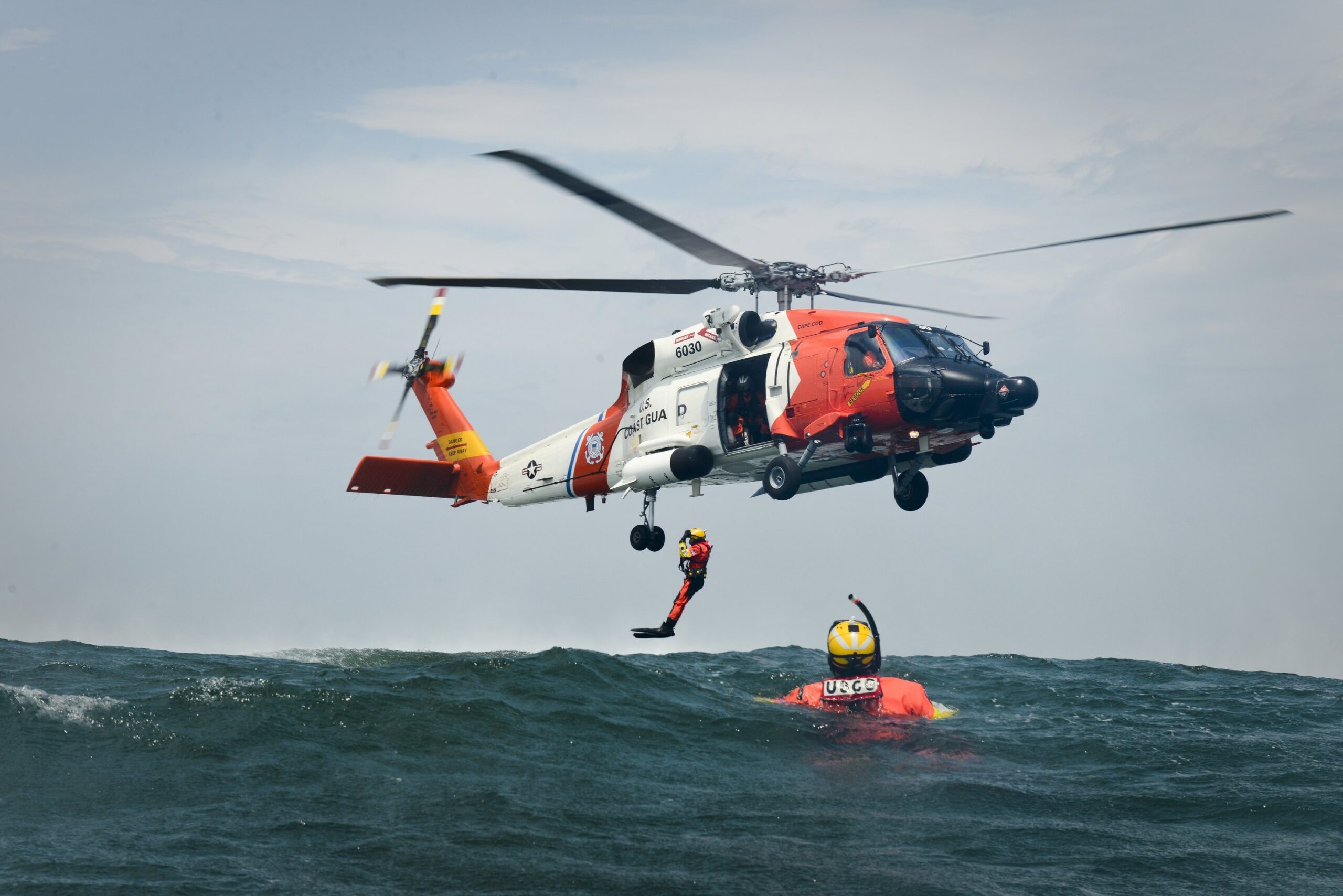
Almost as soon as the partial federal government shutdown began on midnight of December 22, retired Rear Admiral Cari Thomas knew the nonprofit she heads, Coast Guard Mutual Assistance, would need to raise money fast. With the U.S. Department of Homeland Security among the agencies whose budget had not been approved, members of U.S. Coast Guard were expected to continue working without pay.
“The Coast Guard was able to cobble together enough money to pay their military and retired work force at the end of December. And we knew by the middle of January that we were going to have a serious problem on our hands,” Thomas said.
Coast Guard Mutual Assistance, an independent charity, provides grants and no-interest loans to help Coast Guard service members meet financial needs — such as home repairs after a hurricane or diapers for a baby.
The organization, with only seven staff members and no development officer, usually raises most of its money from payroll deductions Coast Guard members authorize. With paychecks stopped, it made an all-hands-on-deck effort to raise money through any available source: through online giving, peer-to-peer appeals, foundations, corporations, and alliances with similar nonprofits.
“It wasn’t really a strategy,” Thomas acknowledged. But it worked.
Over the past decade, Thomas said, CGMA’s fundraising has been flat, hovering around $2 million annually. But the organization raised so much in its shutdown-fueled fundraising sprint that, during the first 30 days of January, it could afford to give $8.3 million in no-interest loans to 7,000 active and retired service members, civilian employees, and spouses of deceased members.
The story of how it did that offers ideas for how other charities can raise money quickly in a crisis. Among the takeaways:
Alert the media.
To find new donors to make up for lost revenue, Thomas launched an aggressive media campaign to attract new donors. “I said yes to every single interview that came about, from headline news to local TV and radio stations,” she said. Most of these interviews occurred after service members missed their first paycheck on January 15.
“I knew that I needed to raise the status and visibility of our organization, and so we made a conscious effort to go after people who did not know who we were before,” she said.
The payoff from this publicity was immediate. In the first 30 days of January, CGMA received more than $800,000 in online donations, with an average online gift of $193. On January 24, Thomas appeared on Andrea Mitchell Reports on MSNBC, and CGMA received $142,000 online donations that day alone.
These results were far beyond what the organization had ever raised, even during other times of crisis. For example, during the immediate wake of Hurricanes Florence and Michael — from September 1 through October 31 last year — CGMA raised $8,700 online, with an average online gift of $50.
Thomas credits media attention with new corporate donors as well. Nike, for example, sent CGMA a $25,000 donation.
Build on existing relationships.
Thomas drew on established foundation and corporate relationships to solicit major gifts. Through informal meetings and phone calls, she kept a contact at USAA, the insurance company, updated on CGMA’s progress. Shortly after Christmas, the USAA Foundation gave CGMA a $500,000 gift to help with shutdown assistance. And when it became clear that Coast Guard members would miss their first paycheck, USAA Federal Savings Bank gave the organization $15 million on January 14.
Collaborate with similar charities.
CGMA also worked with other charitable organizations that support the Coast Guard, including the Coast Guard Academy Alumni Association, the Coast Guard Foundation, and the Foundation for Coast Guard History. Thomas coordinated with these nonprofits, which launched independent fundraising drives to provide additional support. The Coast Guard Foundation, for example, raised $250,000 in gift cards for grocery and gas money. The Coast Guard Academy Alumni Association gave CGMA $50,000 and has promised at least $50,000 more, all of which it raised online.
“The network of charities kind of all came together to help each other out,” Thomas said.
Use social media to reach more donors.
Before the shutdown, CGMA had never done anything to encourage its supporters to raise money on its behalf. During the shutdown, however, it raised $112,000 through 78 social-media drives that urged friends and relatives to give in response to a plea from a CGMA supporter. After the success of this first effort, the organization expects to continue running such campaigns.
Learn from your data.
Although the government is open again, the shock waves from the partial federal shutdown still haven’t settled. And Thomas is already planning for another possible shutdown on February 16.
“Our plan is to redo absolutely everything that we’ve done,” Thomas said. “And the good thing is, now we have some data.”
During the most recent shutdown, CGMA didn’t have any way to figure out when its constituents would face serious financial needs. Now the organization can review the applications it received during the last shutdown to identify trends and plan for when the need will be greatest.
“As time goes on and the situation gets more and more complex, the amount of need and the number of people that have a need goes up exponentially,” Thomas said.
It is possible that a second shutdown could have an even more acute impact, as service members would have little time to recover from a prolonged financial crunch. CGMA is working to establish grants to help members of the Coast Guard pay off any late fees they may have accumulated on their rent or loan payments during the shutdown.
But even with new data, it’s hard to predict exactly how the next shutdown or other crisis will unfold.
“Have we taken the same curve of need and just moved it to the right? Or is the curve of need different?” Thomas wondered. “Truthfully, I don’t know the answer to that, and it does concern me.”