July 27, 2020 | Read Time: 4 minutes
With an ongoing pandemic and the community recovering from racial unrest, it may seem like an odd time for an organization to expand operations to the Twin Cities. But that is exactly what the GreenLight Fund is doing.
GreenLight, which has sites in eight other cities, identifies community needs and then works with local donors to bring in high-achieving nonprofit groups that can make a difference in very poor urban areas. Minneapolis-St. Paul was announced as the fund’s latest site in January, with local donors pledging to spend $5 million over the next five years.
“There’s been no slowdown,” says Margaret Hall, GreenLight’s CEO. “The Twin Cities needs this now more than ever.”
The nonprofit sector as a whole may be struggling, but plenty of ambitious organizations still want to grow — and some are succeeding.
GreenLight intends to hire an executive director for the Twin Cities site by late August. The fund’s existing sites and their nonprofit partners — which include the Center for Employment Opportunities, Single Stop USA, and Springboard Collaborative, among many others — remain on track, Hall says.
“Honestly, none of them are struggling right now in our cities,” she says. “We bring them in with committed funding. These are high-performing organizations, entrepreneurial in their approach and used to moving fast. What we’ve seen is that they’ve been able to pivot pretty quickly in these times.”
GreenLight raised $5.6 million last year to expand to a total of 12 sites by 2022, and that goal is “still very possible,” Hall says.
Hall thinks grant makers could aid fast-growing charities by sponsoring studies on the effectiveness of online versions of activities typically conducted in person before the pandemic — such as education, counseling, and health care.
“Common sense tells us you can’t take everything virtual,” Hall says. “This is an opportunity to really test out virtualization. Does it give you scale but still provide results? Where does this work and not work?”
Volatile Government Money
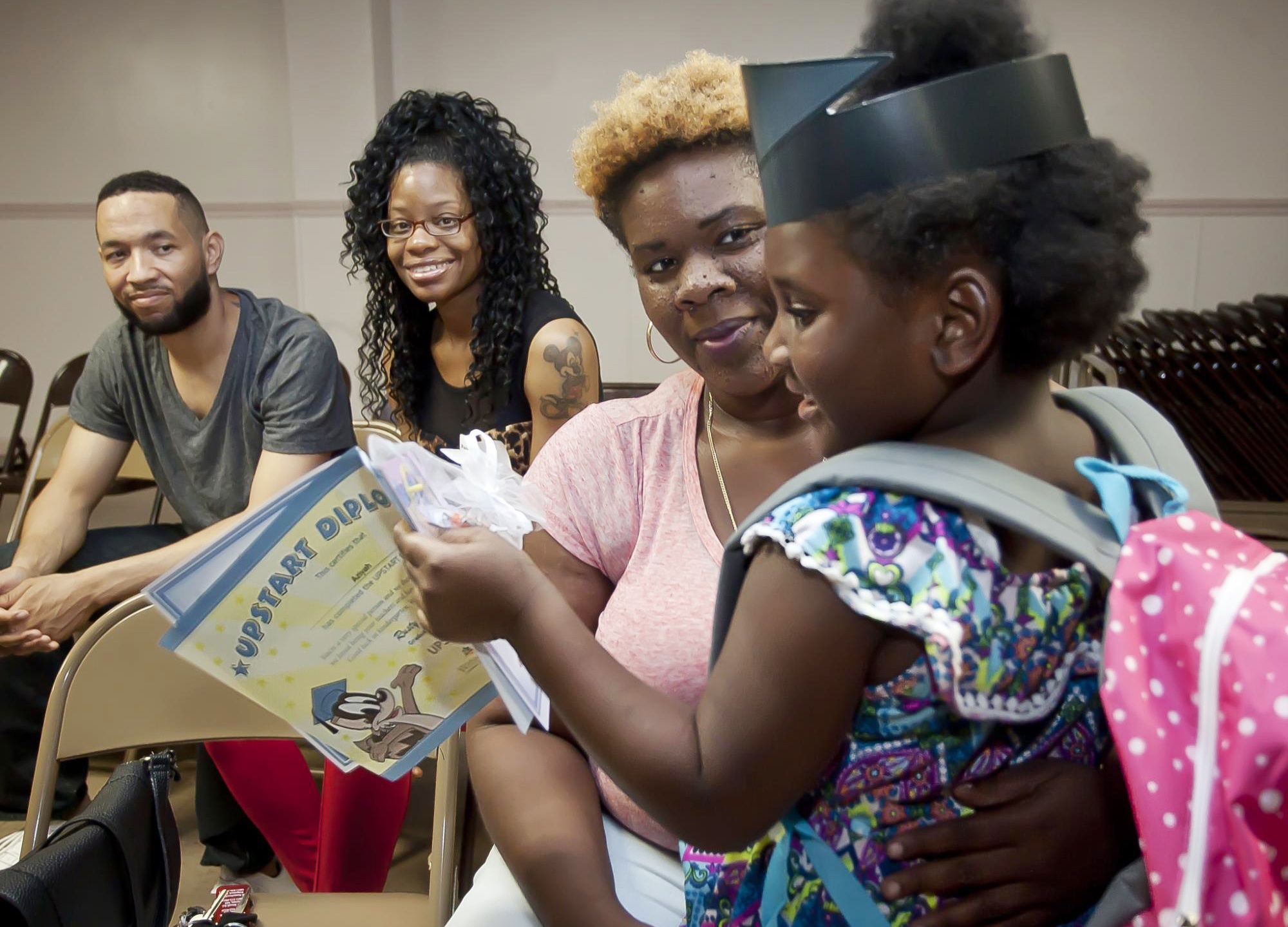
Waterford.org, a charity in Salt Lake City that works with parents to provide computerized pre-kindergarten instruction to children, has grown its revenue an average of 30 percent annually for the past five years. The charity’s approach may seem ready-made for the Covid era, but it had to revamp parent-training sessions and graduations — previously held in person — so that they could happen virtually.
A bigger issue for the charity, which has 320 employees, is what will happen to state budgets. More than two-thirds of its revenue comes from state contracts and school districts. It’s a challenge for many high-growth charities that typically need government support to grow exponentially: When the economy turns south, new programs are often among the first items to get cut. The charity’s program, called Waterford UPSTART, has been piloted in 17 states, and its biggest contract by far is with its home state of Utah, where the charity works with about half the state’s 4-year-olds.
The charity’s fortunes have ping-ponged this year along with Utah’s budget plans. In February, Waterford.org was told to expect a $5 million increase in Utah, to a nearly $20 million contract. When the pandemic hit, that growth was eliminated, thanks to the state’s plunging revenue. Then federal coronavirus-relief funds arrived in Utah, and with it the possibility that at least some of the $5 million was back on. The charity is awaiting final word from the legislature.
Waterford.org did receive a big boost from three of its existing supporters — the Studio @ Blue Meridian, the Valhalla Charitable Foundation, and the Overdeck Family Foundation. The foundations gave the charity $9 million to provide computerized instruction over the summer to more than 12,000 preschool-age children in nine states.
“This has been a roller coaster,” says Tom Ness, the charity’s chief financial officer. “You learn who your friends are when times are tough.”
Mergers as an Option
Every recession provides one opportunity for strong organizations to grow: by absorbing weaker players in their field. Opportunity Partners, a Twin Cities charity that serves people with disabilities, made some tough decisions in 2018 to shore up its finances, including closing a group home and consolidating two programs into one location.
Those steps helped the charity build reserves of $4 million by the time Covid-19 hit in March. Opportunity Partners was forced to shut down its day programs, which account for 60 percent of its revenue. The charity is also spending its reserves, struggling to raise money, and grappling with inadequate government reimbursement. But thanks to the cushion coming in to the crisis, the charity is on track to survive.
If competitors pull back or fail, Opportunity Partners would “absolutely” consider a merger or expansion to serve new clients, says Bill Schultz, the charity’s interim CEO.
“I think there will be several organizations that won’t make it out of this,” he says. “We may look to expand our portfolio and try to serve that unmet need.”