
Down on the Farm, Foster Children Learn the Gentle Art of Trust

By Caroline Bermudez
Contributor
August 8, 2010 | Read Time: 3 minutes
Carol Rathmann, founder of Forget Me Not Farm Children’s Services, treasures the moment one of the young visitors to her Sonoma County, Calif., farm threw back her head, face to the sky, and said, “It’s like heaven being here.”
The youngster was one of hundreds of abused and neglected kids that her charity helps each year. Forget Me Not Farm provides opportunities for children ages 3 to 18 who live in foster homes or other situations away from their families to do gardening and farm work.
Ms. Rathmann started the farm in 1992 after she made a startling realization as an employee of the Sonoma Humane Society, in Santa Rosa, Calif. Over and over again, the same people were abusing the animals that landed in the shelter. She founded the farm as a program of the humane society to instill in children care and respect for animals and to prevent them from growing up to become abusers of animals.
Forget Me Not collaborates with child-welfare organizations to serve 350 to 375 children per year. The children visit the farm regularly, for 60 to 90 minutes at time, to learn animal-care skills and to tend the farm’s garden.
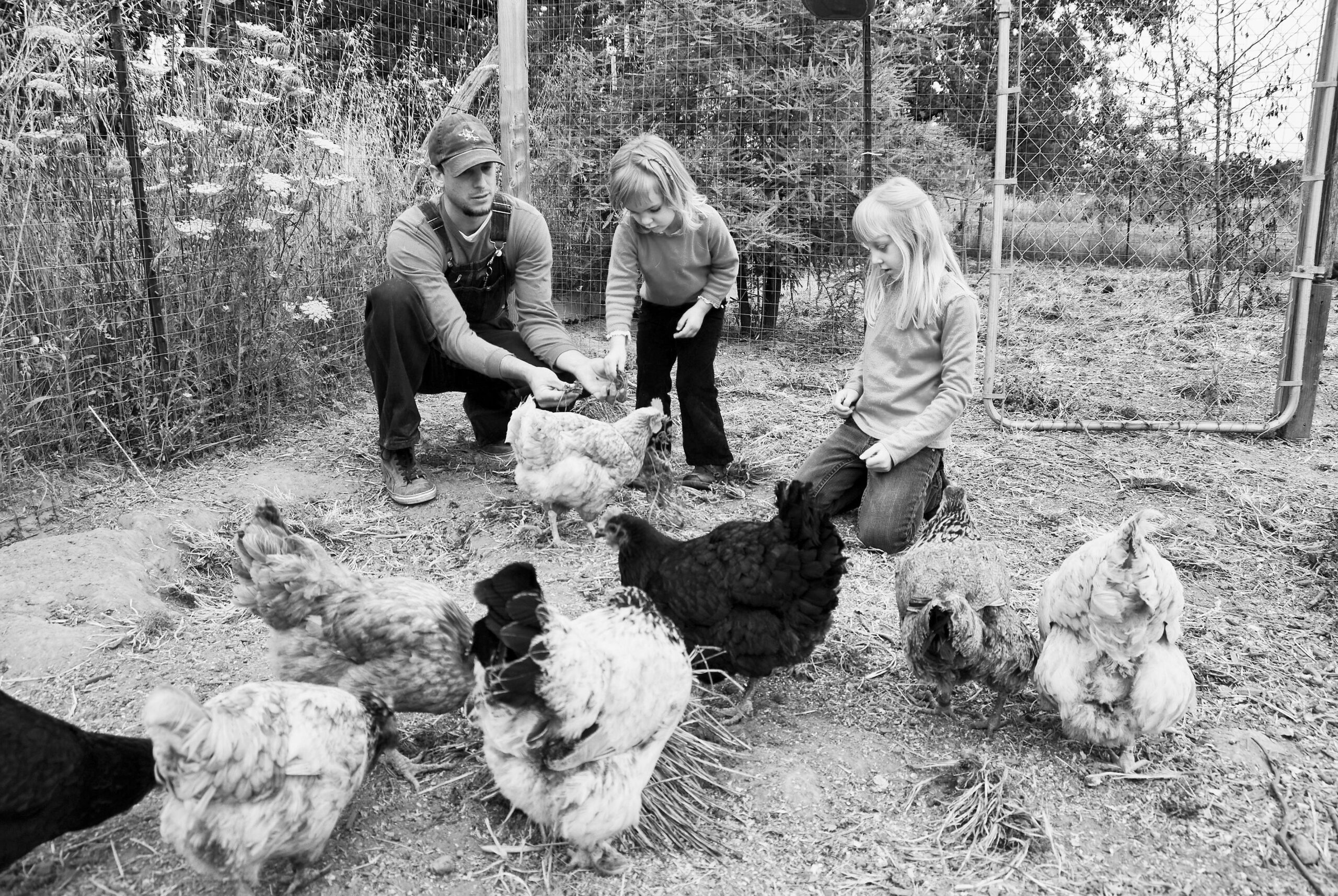
The kids feed, clean, and groom the farm’s chickens, horses, pigs, goats, and other animals. Working with a local farmer, Forget Me Not also has children tend to its garden by planting fruits and vegetables, cutting flowers, and harvesting produce. Children learn to prepare healthy food for a charity that serves meals to people with serious illnesses. It works to grow fruits and vegetables for another charity that teaches needy young people culinary skills. The farm has only two staff members, Ms. Rathmann and a manager; it relies heavily on its 40 to 50 volunteers.
While the focus of the program is to teach children “really good lessons about caregiving and caring,” says Ms. Rathmann, “at the same time, one of the most important things that happens is the safe, trusting relationship they build with the adults who volunteer at the farm.”
Snacks, often from the garden, are provided for the children in sit-down meals with volunteers.
And as participants turn 18, ending their eligibility for many government services, the farm has a mentor program that pairs young adults with volunteers who can teach vocational skills. The program’s new $8-million building, completed after a two-year capital campaign conducted by the Sonoma Humane Society, is outfitted with a full-service hospital, a grooming parlor, a retail store, and a training facility where young people work.
More than half of Forget Me Not’s revenue comes from private grants, with the rest coming from donations by individuals, special events, and fees the Humane Society charges parents who send their kids to summer camp there. Its total operating expenses are about $340,000. And it recently got a federal grant of nearly $500,000 to expand the mentor program.
One of the participants that the program has served the longest is a young woman who has been coming to the farm since she was kindergarten age. Ms. Rathmann became a mentor to the girl, who she says had been physically abused. She now attends junior college and takes care of two kittens.
Ms. Rathmann says the farm plays a key role in helping troubled children: “It’s so important for them to be in nature. It’s the one place where they really can relax. Their time here is all built for success. You can’t fail at petting an animal.”
Here, Ms. Rathmann’s son, Nate, the farm’s manager, helps participants care for chickens.




