Editor’s Notebook: A Woman Donor Talks About How Sexism Can Drive Away Gifts

By Margie Fleming Glennon
Chief Content Officer
March 5, 2019 | Read Time: 2 minutes
Isa Catto heads her family’s foundation, so she often meets with nonprofit leaders, fundraisers, trustees, and wealth advisers. Even though she is the key decision maker, men in philanthropic circles often direct their attention to her husband when he’s present. When they do focus on her, all too often they spend undue amounts of time establishing their expertise; other times they simply ignore her, she says.
As she notes in an article in this issue: “While my husband and I interviewed one philanthropy consultant, he answered each of my questions aggressively with his own question — à la Kavanaugh and Sen. Amy Klobuchar during his confirmation hearings. He did not do so with my husband,” she writes. When she interacts with fundraisers and others, she says she is often “invisible as they focus attention on my husband and avoid eye contact with me.”
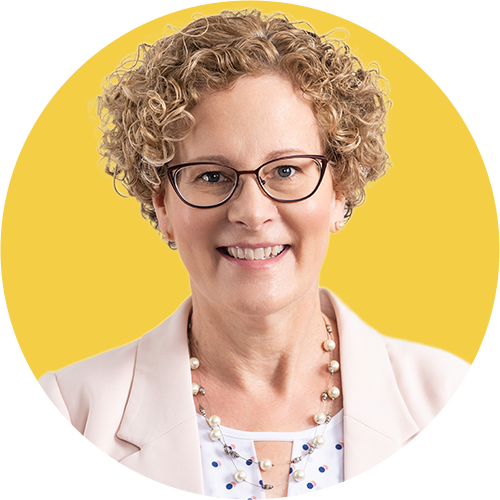
Catto — an artist, writer, foundation leader, and parent — became a regular contributor to the Chronicle last year to help donors and fundraisers better understand one another.
The articles Catto writes are as varied as her roles: what nonprofit leaders should and shouldn’t do when meeting with a donor, how to be a better donor, and why nonprofits ought to consider mission as well as money when selecting board members. Since then, she’s woven how-to advice into thought-provoking articles, using candid examples to help spur change.
Catto acknowledges that fundraisers face a problem more serious than sexism — one in four female fundraisers reports having been sexually harassed on the job, according to a survey by the Chronicle and the Association of Fundraising Professionals conducted last spring — and calls on the philanthropic world to make gender equity a priority.
In the year since we did that study, more nonprofits have grown eager to do all they can to protect staff members and others. New among our online resources (philanthropy.com/resources) is an advice column from Katie Leonberger, president of the nonprofit consulting firm Community Resource Exchange, who offers five first steps to combating abuses.
We want to share more of this kind of advice with our readers. If you have created or used a tool, policy, or program that works, be sure to let me know.