
Editor’s Picks: Nonprofit People and Organizations Making an Impact
December 29, 2017 | Read Time: 5 minutes

The big news of the year for nonprofits was easy to declare: The sweeping new tax law will have widespread implications for charities and the people they serve. And it’s been a boom year for giving, including news that George Soros’s philanthropy now has $18 billion in assets — making it the wealthiest grant maker except for the Bill & Melinda Gates Foundation.
Keeping up with those developments and the urgency of carrying out vital charitable missions means you may have missed coverage of other topics that bring insights on what’s next, whom to watch, and how to lead. That’s why I picked a few of my favorite articles to put on your reading list for your return from the year-end break.
Stacy Palmer, Editor of The Chronicle of Philanthropy
People Who Make a Difference
Diana Aviv and Patty Stonesifer
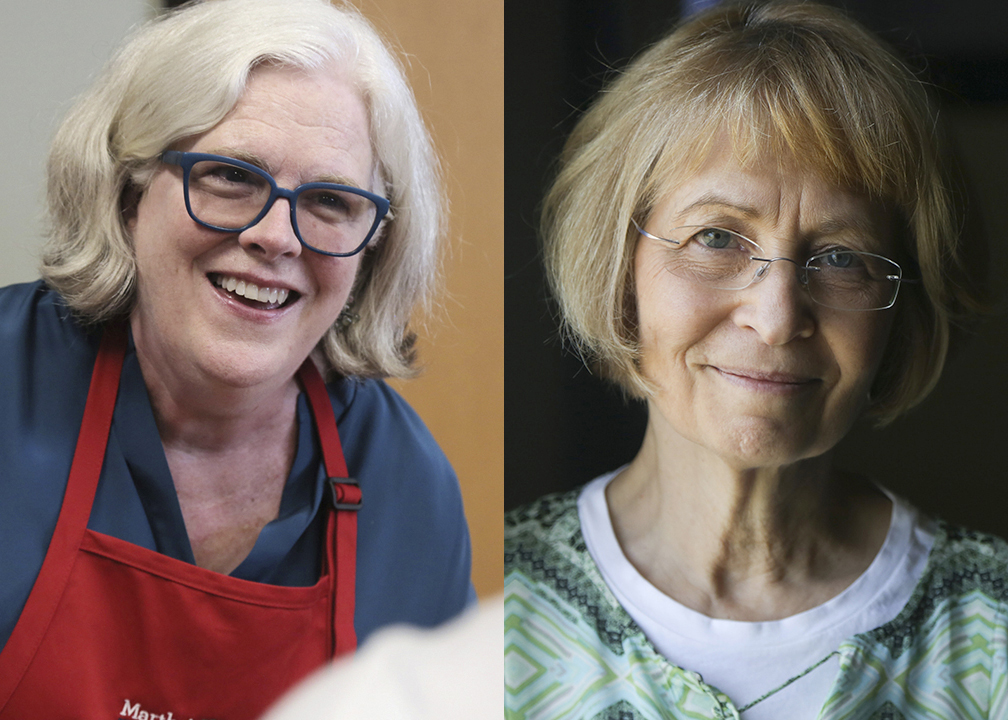
These two leaders both head anti-hunger groups: Ms. Aviv runs Feeding America, one of the nation’s biggest charities, after a long-running tenure at Independent Sector. Ms. Stonesifer leads Martha’s Table, a fast-growing D.C. charity far different from the Bill & Melinda Gates Foundation, where she was the philanthropy’s first chief executive. Both women offered strong suggestions on leadership to our reporter, Eden Stiffman, and those ideas, plus others shared by nonprofit executives in the past year, can help nonprofit executives at organizations focused on a broad range of social missions.
Caryl Stern
The leader of Unicef has transformed the organization into an innovation hot spot and also has demonstrated the power of spreading leadership duties broadly as she aspires to turn the organization into a $1-billion-a-year fundraising machine, as Megan O’Neil demonstrates.
Lin-Manuel Miranda
His charitable work in Puerto Rico has gained a lot of attention, but long before that he was pioneering fundraising that combined his star power with technology in a way that many celebrities and small charities are emulating. Along the way to report this article, Ms. O’Neil found another great celebrity turned donor: Scott Budnick, a Hollywood producer, who has successfully helped shine a light on the problems of America’s criminal-justice system.
Ric Weiland
An early employee of Microsoft, Mr. Weiland’s strategic bequest helped bring the LGBT movement a decade of success — and offers a model for philanthropy aimed at social change documented by Heather Joslyn.
Organizations With Impact
Thread, a charity that is fighting poverty the hard way
The Baltimore youth organization surrounds struggling teenagers with a team of volunteers who push, pull, and cajole them to success. It’s tough and labor-intensive, but it works. As Heather Joslyn asked in this profile, what will it take to spread the group’s work approach.
Fugees Academy, a soccer program helps refugee children find footing in America

Luma Mufleh felt moved to start coaching a ragtag group of kids she spotted playing barefoot in their strange new surroundings. What followed was an improbable journey to create something that could lift them to acceptance, wrote Rebecca Koenig.
Pillars Fund, pooling donors to fight anti-Muslim bias
Kashif Shaikh, a former foundation program officer, wanted to give Muslim Americans like himself a way to give that would make a difference, as Nicole Wallace detailed.
Trends Shaking Up the Nonprofit World
Class and race
Few topics have dominated our pages as much as these divisions across America. In our March cover story, Nicole Wallace examined whether as charities have grown more professional they have lost touch with average Americans. Plus she showed how some charities are working to overcome that problem.
Meanwhile, in piece that has caused reverberations across the foundation world, Drew Lindsay and Rebecca Koenig, examined the makeup of the boards of the nation’s wealthiest philanthropies. Most were from Ivy League schools and had elite jobs on the nation’s East and West Coasts. That lack of socioeconomic and geographic diversity will continue to make it challenge for foundations to heal the nation’s divides.
The declining share of Americans who give
Fundraising is more sophisticated than ever, but is that turning off some donors – especially those who can’t afford to give large sums? Drew Lindsay explored that question in our How America Gives survey, which was fueled by a data analysis from Tyler Davis and Brian O’Leary.
The changing way the wealthiest Americans give
Donors and foundations are now using many types of alternative legal structures and for-profit investments to effect change. The impact on charities is just beginning to show up, but could well be transformative in the years ahead, Alex Daniels and Rebecca Koenig reported.
Endowment stockpiling
The Chronicle was keeping an eye on Congressional irritation with the spending habits of the richest colleges long before they became a target in the new tax law. We wondered what would happen if lawmakers turned their eyes to all nonprofit endowments, not just colleges –and found a wide range of spending patterns, as Megan O’Neil and Josh Hatch found in an analysis based on 1,600 nonprofit endowments.




