May 31, 2007 | Read Time: 2 minutes
Endowments, long the domain of foundations and universities, are becoming an increasingly popular tool
ALSO SEE:
DATABASE: Endowments at Nonprofit Organizations
TABLE: Endowments at 72 organizations that support nonprofit groups
ARTICLE: Strong Endowment Growth
ARTICLE: Key Results of The Chronicle’s Annual Survey and How It Was Compiled
ARTICLE: Charity Urges Colleges to Focus on ‘Sustainability’ of Their Endowments
ARTICLE: More Endowments Hedge Their Bets Against Market Conditions
for those who manage private day and boarding schools, according to a new study by the consulting firm Marts & Lundy, in Lyndhurst, N.J.
The survey of more than 450 schools found that nearly 76 percent of them consider endowment a high priority in their fund-raising efforts.
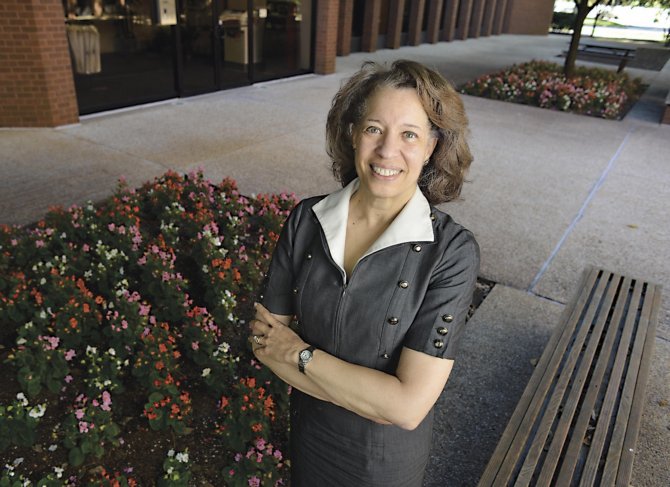
The results show that those who operate boarding schools and day schools are putting a much greater emphasis on endowments than in the past, says Sandra Drew, a Marts & Lundy senior consultant and co-author of the study. Only about 9 percent of day schools and 36 percent of boarding schools considered endowments a high priority from 1995 through 2005.
Managing Costs
Most of the schools in the survey say they are using endowments to help lower tuition costs for students and to help pay for faculty salaries.
“Every school that we work with has a very clear and firm commitment on the financial-aid side. But they’re asking, where is the revenue going to come from?” Ms. Drew says. “The option is to look at endowment and continually look at endowment. It’s not a fad. It’s a trend, and we see it as a trend that is going forward indefinitely.”
The survey found boarding schools are well ahead of day schools in building endowments. Boarding schools reported an average market value of their endowments of $34.1-million, compared with nearly $24.5-million for day schools that served students in kindergarten through 12th grade, and $9-million for day schools that served children up through 8th grade.
Endowments have been a challenge for many private schools in the past, since those institutions’ volunteer leadership is typically made up of parents whose children eventually leave or graduate from the schools.
But with tuition costs rising at a rate faster than inflation and competition for teachers becoming more intense, boards of directors are now seeing endowments as a way to help them make ends meet.
“It is much easier to promote things people can see and feel right away,” says Mary O’Neill, director of development for the College Preparatory School in Oakland, Calif. “But we have learned how important endowment is with regard to keeping CPS affordable and accessible.”
Schools that aggressively raise funds for their endowments will have a competitive advantage in attracting students and faculty, says Daniel Boyer, a Marts & Lundy senior consultant and the study’s other co-author.
“The rich will get richer,” Mr. Boyer says. “Those that don’t decide to do it will be limited in the resources that they have.”