
Face of Philanthropy: Nonprofits Whose Stories Touched Us

By Ariella Phillips and NICOLE WALLACE
December 24, 2018 | Read Time: 4 minutes
Once a month the Chronicle picks a nonprofit, often a little-known one, tackling a problem in an unusual way and puts a spotlight on its work with compelling visuals. Here are some of the ones that inspired us the most:
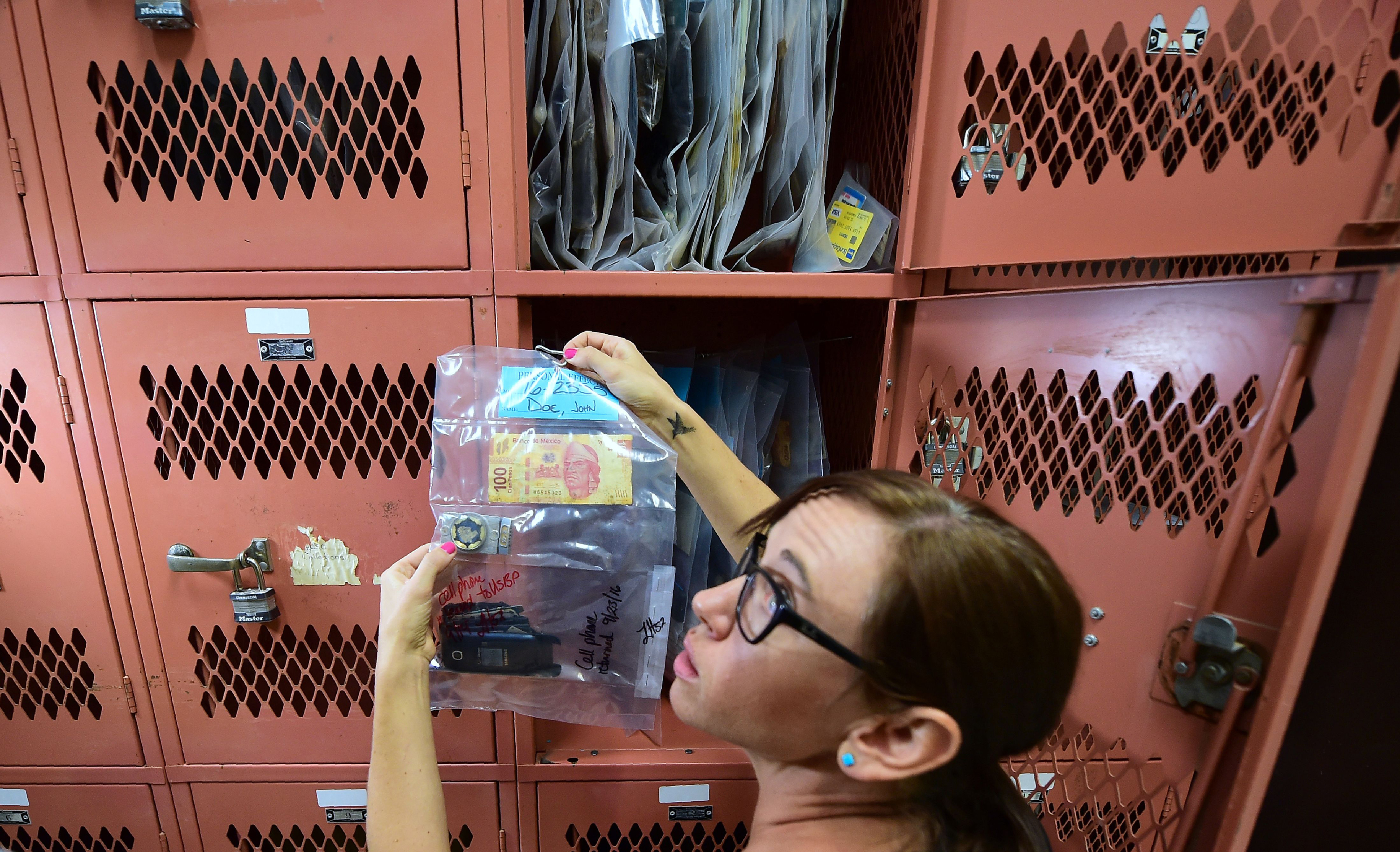
Dealing With the Border Crisis Every Day
Immigration policy fights are in the headlines almost every day. Less likely to make the evening news are the stories of individual migrants who die crossing remote stretches of the U.S.-Mexican border.
The Colibri Center for Human Rights, a small nonprofit in Tucson, Ariz., gets even less attention. It works with the medical examiner’s office to unite previously unidentified remains with family members.
“It’s heartbreaking to listen to the language used to describe immigrants right now,” says Robin Reineke, the group’s executive director. “We’re on the phone with the families, and we’re seeing the bodies, and we’re seeing traces of real people who were trying their very best for their families.”
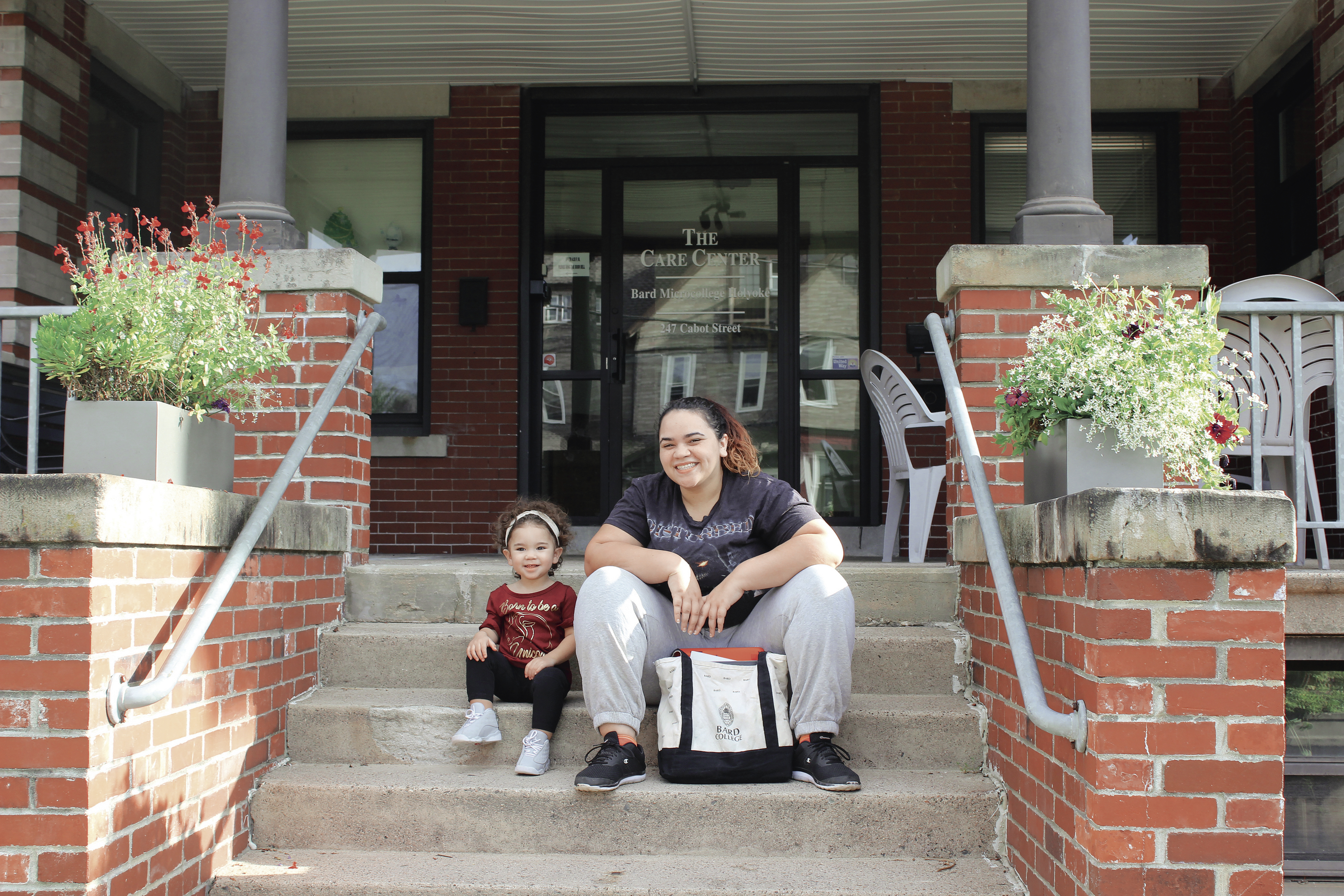
A New Approach to Social Mobility
An innovative effort to improve the lives of young mothers and their families got its start when the Care Center, a social-service charity in Holyoke, Mass., learned its long-running GED program wasn’t as successful as it had thought.
The group teamed up with Bard College to create an associate-degree program: Bard Microcollege Holyoke. The Care Center provides child care, medical services, transportation, and other support that makes it possible for young women to pursue their degrees.
Anne Teschner, the center’s executive director, thinks the effort represents a new way to fight poverty and help nontraditional students succeed academically.
“We’re cooking up a model that will be very helpful to colleges and agencies in communities.”

Fighting Isolation on 3 Wheels
Cycling Without Age is an international movement of volunteers who take older people and their family members on outdoor excursions on bicycle-powered rickshaws.
“We are really not just about giving rides. We are mostly about having conversations, sharing memories, and creating new memories,” says Kelly Talcott, a U.S. captain for Cycling Without Age.
Tapping Residents
Many people are shocked to learn that thousands of Americans don’t have access to clean, safe, affordable drinking water. It’s a problem that hits low-income people and communities of color hardest.
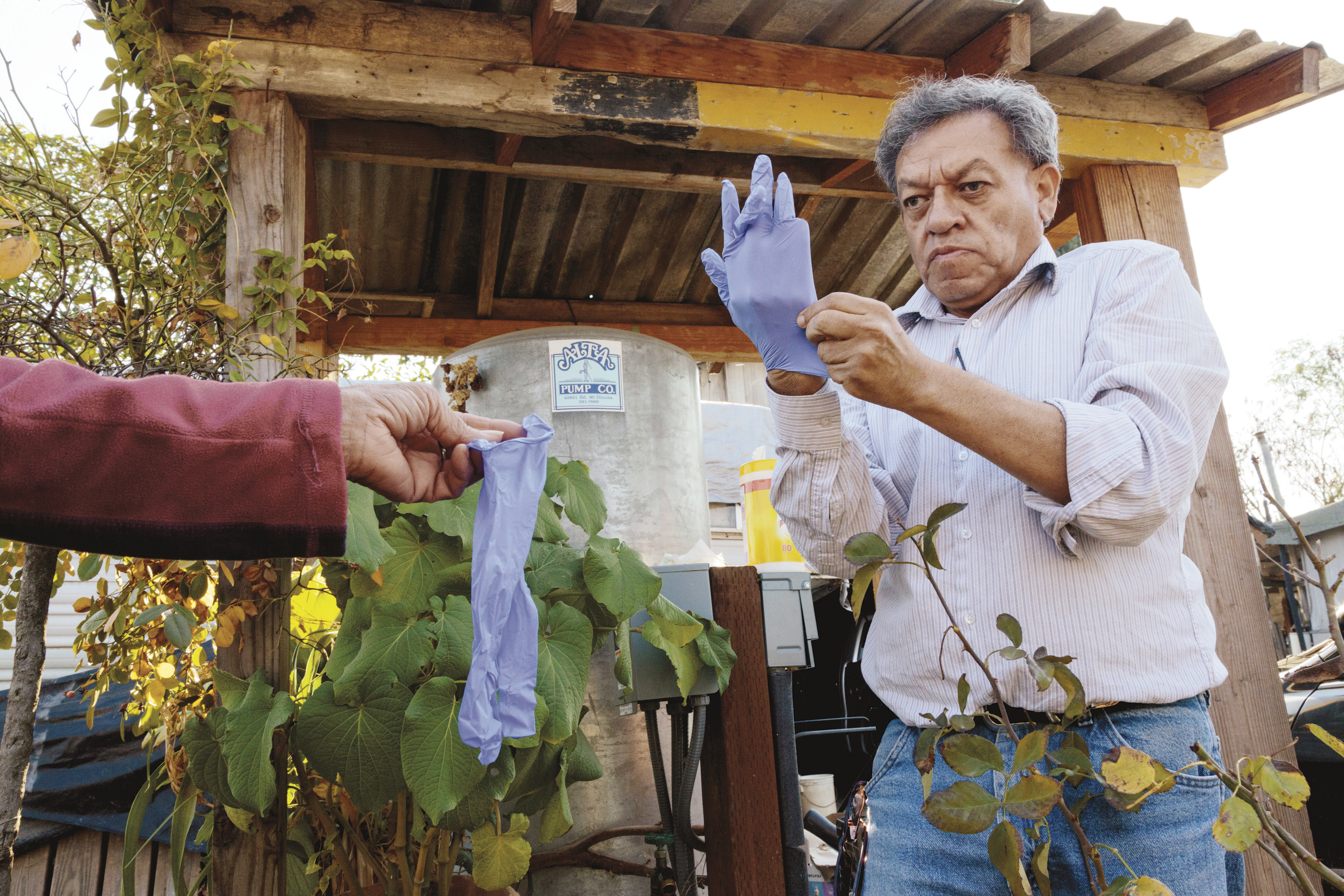
The Community Water Center has been working to improve water quality in California’s San Joaquin Valley since 2006. The nonprofit’s primary strategy: train local residents how to test their water for contaminants.
“Change starts with finding out what’s in your water and just becoming informed about where your water comes from and what the quality and reliability is,” says Laurel Firestone, one of the founders of the Community Water Center. “This is something that unites all of us.”
Bringing History to Life
Once a year, among the mausoleums and headstones, fire eaters and flute players mingle with visitors at Brooklyn’s Green-Wood Cemetery.
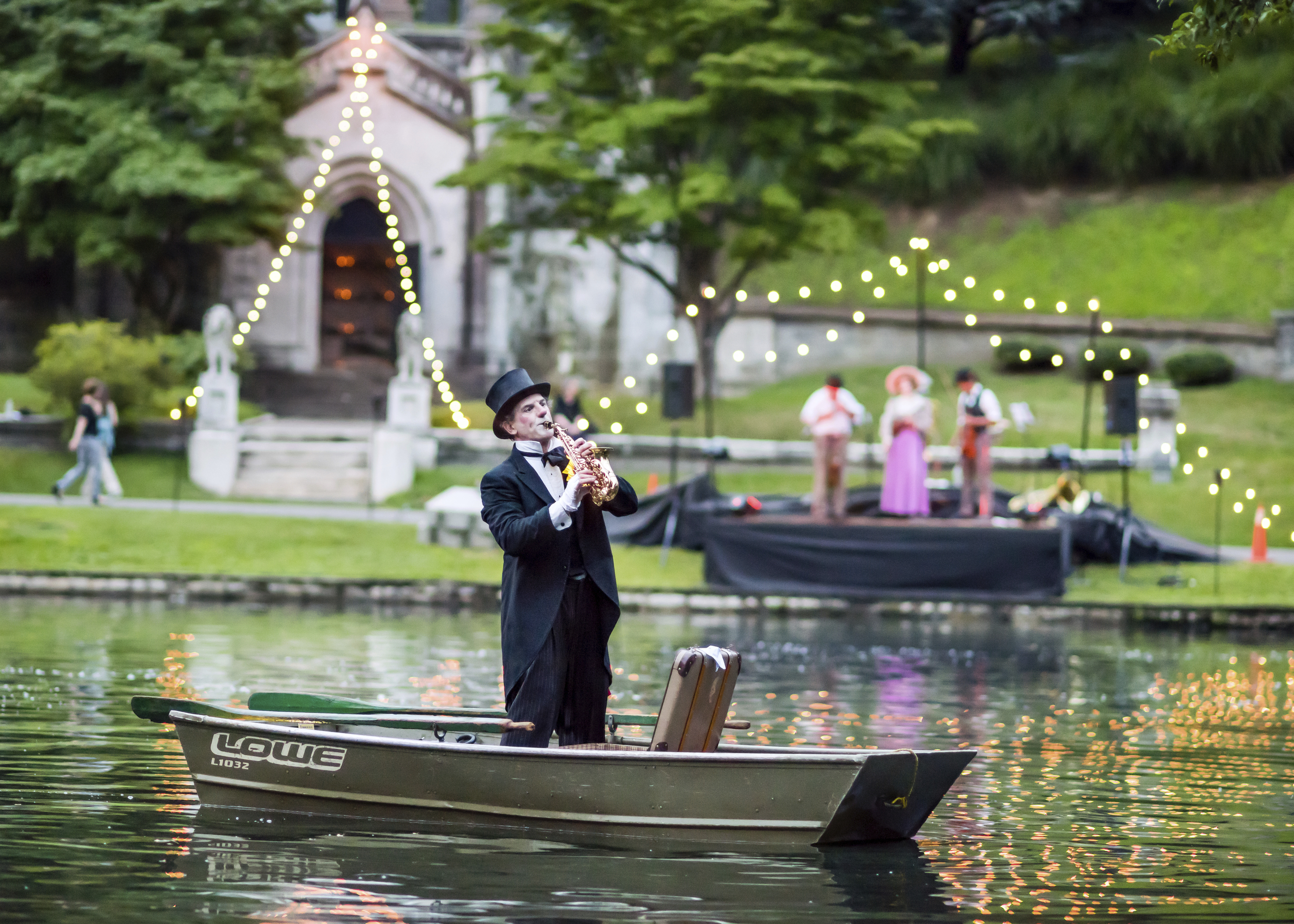
It’s all part of the popular Night at Niblo’s Garden, one of the more than 200 public programs that take place in the cemetery each year.
With more than 280,000 visitors in 2017, Green-Wood hopes to redefine what a cemetery can be, says Lisa Alpert, vice president for development and programming.
“We believe that once people come here and see how amazing it is, they will come back,” she says. “The last thing we want is for Green-Wood to be empty.”
Know a group that should be featured in our Face of Philanthropy section? Send an email message to nicole.wallace@philanthropy.com.





