Foundation Leader Looks for Unconventional Allies on Gay Rights

By Maria Di Mento
Senior Editor
November 17, 2013 | Read Time: 4 minutes
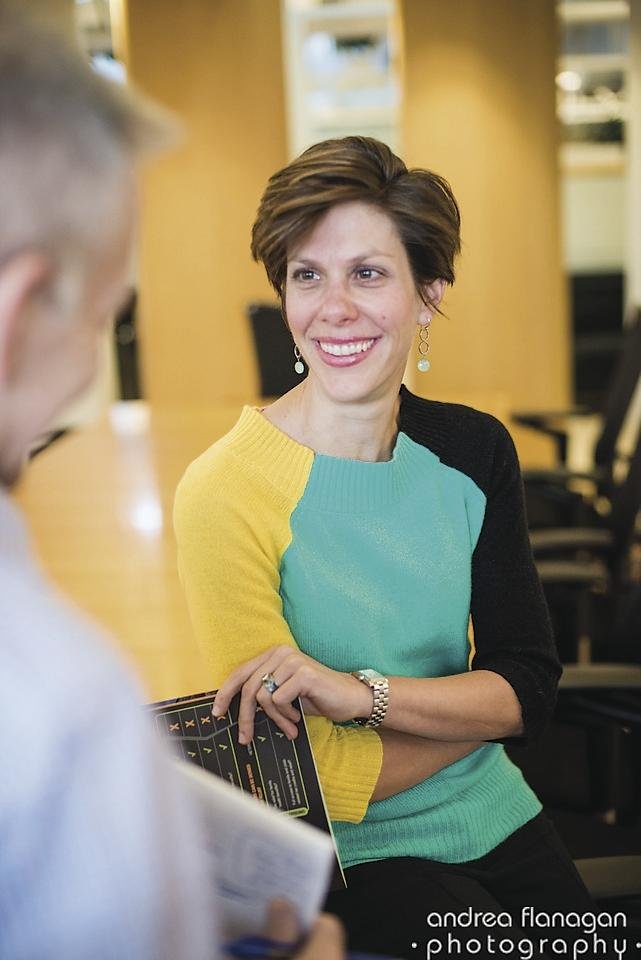
The gay-rights movement has made historic gains in recent years, including the end of the military’s “Don’t Ask Don’t Tell” policy and the rapid spread of laws that allow same-sex marriage. Now, grant makers like the Gill Foundation, one of the first philanthropies to spearhead efforts to ensure equal rights for lesbian, gay, bisexual, and transgender people, has its sights set on its next battles. And it has appointed a new leader, Courtney Cuff, to carry out that agenda. She replaces Tim Sweeney, who announced more than a year ago his plans to step down.
The foundation, which has $220-million in assets and was founded by the technology entrepreneur Tim Gill, plans to support efforts to persuade states in the South and the Midwest to adopt equality laws for LGBT Americans and to strengthen antibullying measures in public schools.
Ms. Cuff, who took the helm last month, is reaching out to people she calls “unexpected allies,” those who are not part of a movement but share some of its concerns.
In the Gill Foundation’s case that includes business and education leaders, Latinos and African-Americans, and Republicans, as well as young evangelicals, who, Ms. Cuff says, are increasingly more accepting of gay and transgender people than older generations have been.
Conversations with business leaders have been particularly revealing, Ms. Cuff says. Regardless of their personal politics, many chief executives are worried about their ability to attract the best workers if their states lack anti-discrimination protections for gay people, as is now the case in 29 states.
“You could be living in Iowa and there’s a state law there that says you can’t be fired just because you’re gay or transgendered,” says Ms. Cuff. “But if you have to cross the Missouri River to work, you have no state law protecting you from being fired based on your sexual orientation or gender identity. So there’s a lot of work to be done.”
A Sense of Calling
Although Ms. Cuff, who is gay, has strong leadership experience, she has never worked for a group whose mission is so closely tied to her private life.
“I was always passionate about conservation and the environment, and even as personally connected to that cause as I have been, this is a whole different experience,” she says. “But if you think about things that have been transformative in the movement, it really is about owning who you are publicly and encouraging other people to be comfortable publicly with who they are.”
Ms. Cuff, 41, says she came out when she was in her late 20s and living in Washington. At the time, she was working as a lobbyist for an environmental organization, and she says she would not have been comfortable back then leading an LGBT group. Today she feels called to the task.
“I owe a debt of gratitude to those who have led before me in this work, and that’s definitely part of what appealed to me,” says Ms. Cuff. “And I want to make life easier for those who will come after me.”
Ms. Cuff’s personal life is only part of what attracted her to the Gill Foundation. She says its approach of trying to change policies at local and state levels, rather than pressing for sweeping federal changes, was a big draw.
“The state approach is so important, especially as we look at D.C. and how divided and broken in so many ways it is,” she says. “It’s smart to continue to make gains in the states to help build national momentum.”
Building Coalitions
Mr. Gill says one reason he picked Ms. Cuff for the job was her success organizing disparate groups to press for change.
“Courtney has experience building coalitions across the ideological spectrum in the states, and that’s where we’re working in the years ahead,” says Mr. Gill. “She has worked on bringing about policy change through a variety of avenues—charitable organizations, advocacy organizations, and politics—and her understanding of the role philanthropic work can play in a larger context to advance policy goals is important.”
The foundation plans to intensify its longstanding efforts to help its grantees raise more money, especially from local grant makers that care about creating a welcoming business climate and to donors who support social justice.
Says Ms. Cuff: “It’s time to encourage philanthropists throughout the country to look towards some of those places where they may not live, but where we need to help our brothers and sisters move forward on equality.”
Debra E. Blum contributed to this article.
Courtney Cuff, chief executive, Gill Foundation
Education: B.A., sociology, Wake Forest University
Career highlights: Chief executive, Western Conservation Foundation; director, Pacific Regional Office, National Parks Conservation Association; legislative director, Friends of the Earth
Salary: She declined to disclose it.
Hobbies: She has been studying oenology—wine and winemaking—and became a certified sommelier last year.
What she is reading: Pastrix, by Nadia Bolz-Weber