

February 2, 2018 | Read Time: 3 minutes
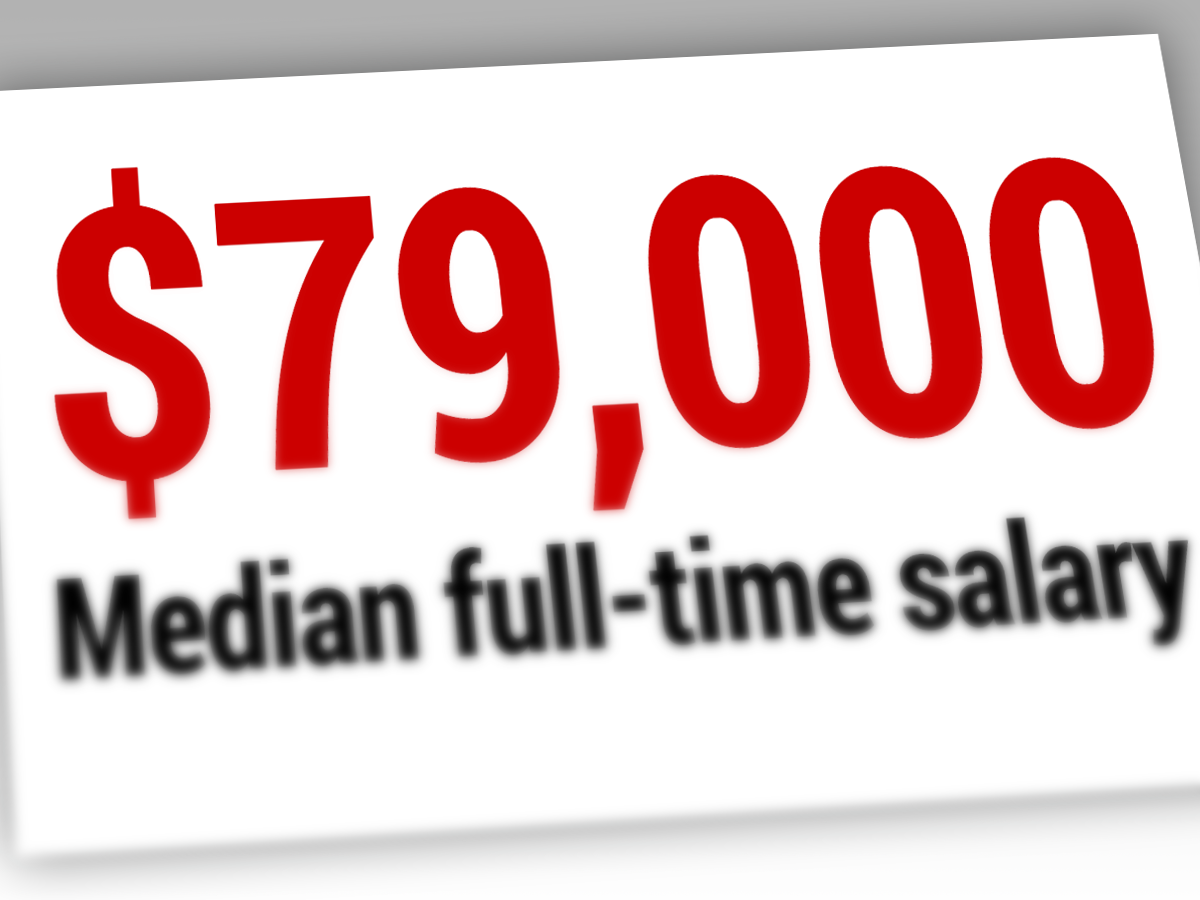
Foundation pay increased a median of 3 percent last year across nearly 1,000 grant makers that took part in a survey conducted by the Council on Foundations. The median salary for a full-time employee was $79,000.
The 389-page report from the survey provides a glimpse into the starkly contrasting personnel policies and salaries at foundations. For example, 87 percent of the corporate foundations surveyed by the council provide maternity leave. Only 37 percent of community foundations provided the same benefit.
Turnover also varied, depending on the type of organization. Program officers have remained in their positions at community and private foundations for a median of four years. At one and a half years, churn is much higher at corporate philanthropies. The report also showed compensation differences based on a foundation’s size.
Chief-executive pay far outstripped program-officer pay, especially at the largest foundations. The top job at foundations with assets above $2 billion came with a median salary nearing $590,000. Program officers at those same grant makers were paid a median of about $120,000.
At all foundations, regardless of size or type, chief executives were paid a median of $180,000, compared with a median pay of $81,000 for program officers.
Diversity Lacking
In addition to the salary information, the report tabulated figures on gender, race and ethnicity, and disability in the foundation workplace.
On those measures, institutional philanthropy came up short, according to Vikki Spruill, the council’s president.
The report “provides a valuable opportunity for our sector to self-reflect on critical needs that must be addressed in the future,” Spruill wrote in a statement. “We know that there is still work to be done with regard to recruiting a more diverse talent pool, particularly as we aim to improve the leadership pipeline.”
More than three quarters of all full-time employees at foundations are women, the survey found, but only 56 percent of chief executives were women. People who are racial or ethnic minorities account for 26 percent of foundation staffers, but they are the boss of only about 11 percent of the organizations surveyed. And only 1 percent of full-time staff members were reported as having a disability.
The survey captured demographic data from 9,244 full-time workers at 970 foundations. Employees at 478 private foundations and 336 community foundations participated in the survey. Others who responded worked at operating foundations, corporate grant makers, and other, unclassified organizations.
Impact Investing
Reflecting a rise in interest in impact investing, which aims for both a market return and a social benefit, the survey for the first time looked at people who make such investments.
The survey shows a wide variance in pay at the few foundations that responded.
At the 22 foundations with an impact-investing director, the position paid a median salary of $155,000. The lowest investing pro at those foundations was paid $84,571.
As part of the broad tax overhaul passed in December, foundations and other nonprofits will face a 21 percent excise tax on income in excess of $1 million paid to each of their five highest paid executives.
The changes could push nonprofits to take a closer look at their compensation practices, and Spruill suggested that resources like the survey will be critical for foundations looking to determine appropriate salaries.
Correction: A previous version of this article had incorrect information about the number of impact-investing directors’ salaries in the survey and their median and lowest salaries.







