
October 16, 2011 | Read Time: 3 minutes
The sharp distinction between money that is invested for a financial return and charitable gifts to help solve social problems is anachronistic, argue the authors of a new book, Impact Investing: Transforming How We Make Money While Making a Difference.
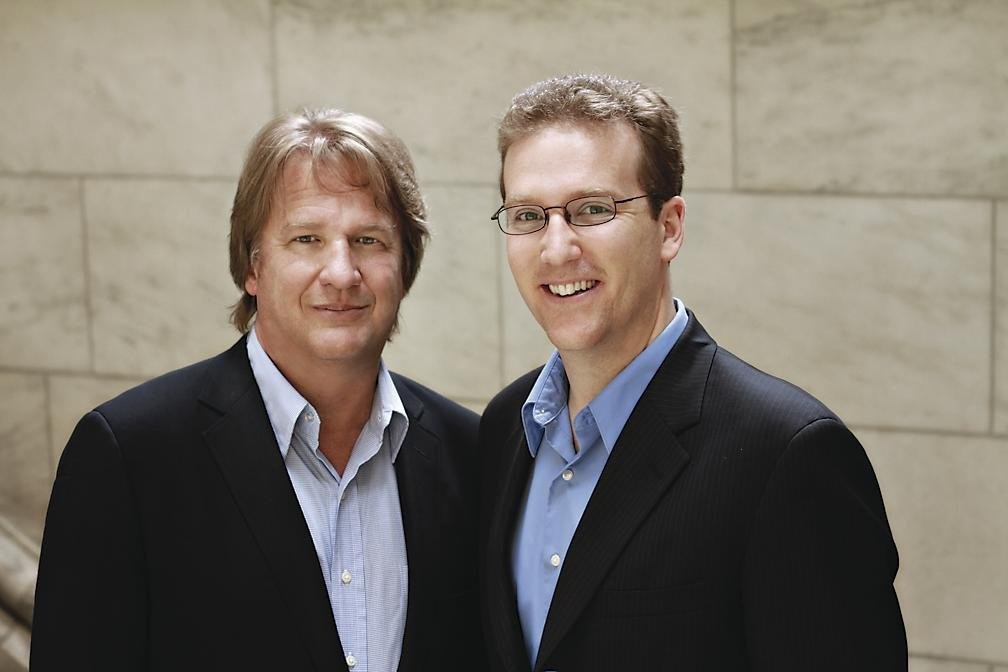
In an interview, Antony Bugg-Levine, who has been appointed as the new leader of the Nonprofit Finance Fund, which offers consulting services and loans to charities, and Jed Emerson, executive vice president of ImpactAssets, a nonprofit financial-services company, discuss what the growing interest in investments that seek both social and financial returns means for nonprofit organizations.
Could you describe an example of impact investing?
Mr. Bugg-Levine: In the book, we have a contribution from Willy Foote, who runs Root Capital, a Boston-based nonprofit which makes loans to farmer cooperatives. Root Capital’s purpose is to help improve the incomes of these people in very poor parts of the world, but they do that not simply through charity. They do it by providing loans which allow these cooperatives to become more successful in their business, which ultimately helps those poor farmers.
On the other side, Root Capital doesn’t simply look to foundations and philanthropists to sustain their own operations. They also take on loans, and the people who lend to Root Capital are impact investors who are paid back with interest.
Why should nonprofits care about impact investing?
Mr. Bugg-Levine: Being able to raise impact-investing loans alongside grants has been what has allowed Root Capital and many similar organizations to tap into deeper pools of capital on the for-profit side, and therefore expand their impact both more broadly and also more quickly. [For nonprofits], this is about finding another way to fuel the growth of your great idea.
From the side of the donors, what impact investing does is help unlock those greater pools of money that are trapped in for-profit-only investments, to be used to put to work for the social missions that the philanthropist cares about.
Mr. Emerson: Then you get into the whole conversation about philanthropy using 5 percent of its assets to drive 100 percent of its mission and leaving 95 percent of their assets at best neutral, and in some cases actually working against the cause that the foundation cares about. By taking an impact-investing approach, you’re able to say, “Not only are we going to engage in strategic philanthropy, but we’re going to look at a variety of other ways that you can actually use investment tools and products to advance the causes and the issues that we care about.”
Why do you think impact investing will grow to a meaningful size?
Mr. Emerson: What we see in the conversations that we’re having with people in their teens and 20s, not only across the United States but literally around the world. You’re seeing a whole new generation step forward and really embrace the idea that you can pursue profit with purpose, and that you can run organizations that are hybrid and live in the middle.
Is impact investing a threat to traditional nonprofits?
Mr. Bugg-Levine: Jed and I both believe that we will not create a just and sustainable society if we rely purely on the markets and only solve the problems that impact investors and free markets alone can solve. We need donors. We need charities to take on those tasks for which investments and the markets are inappropriate. We would certainly worry about a world in which impact investing cannibalizes philanthropy.
Mr. Emerson: If your only tool is a grant, then the whole world looks like a charity case. What we’re saying is there’s a place for traditional nonprofit management and institutions, and they will be strengthened by being able to draw upon these new tools and resources.