

August 1, 2017 | Read Time: 2 minutes
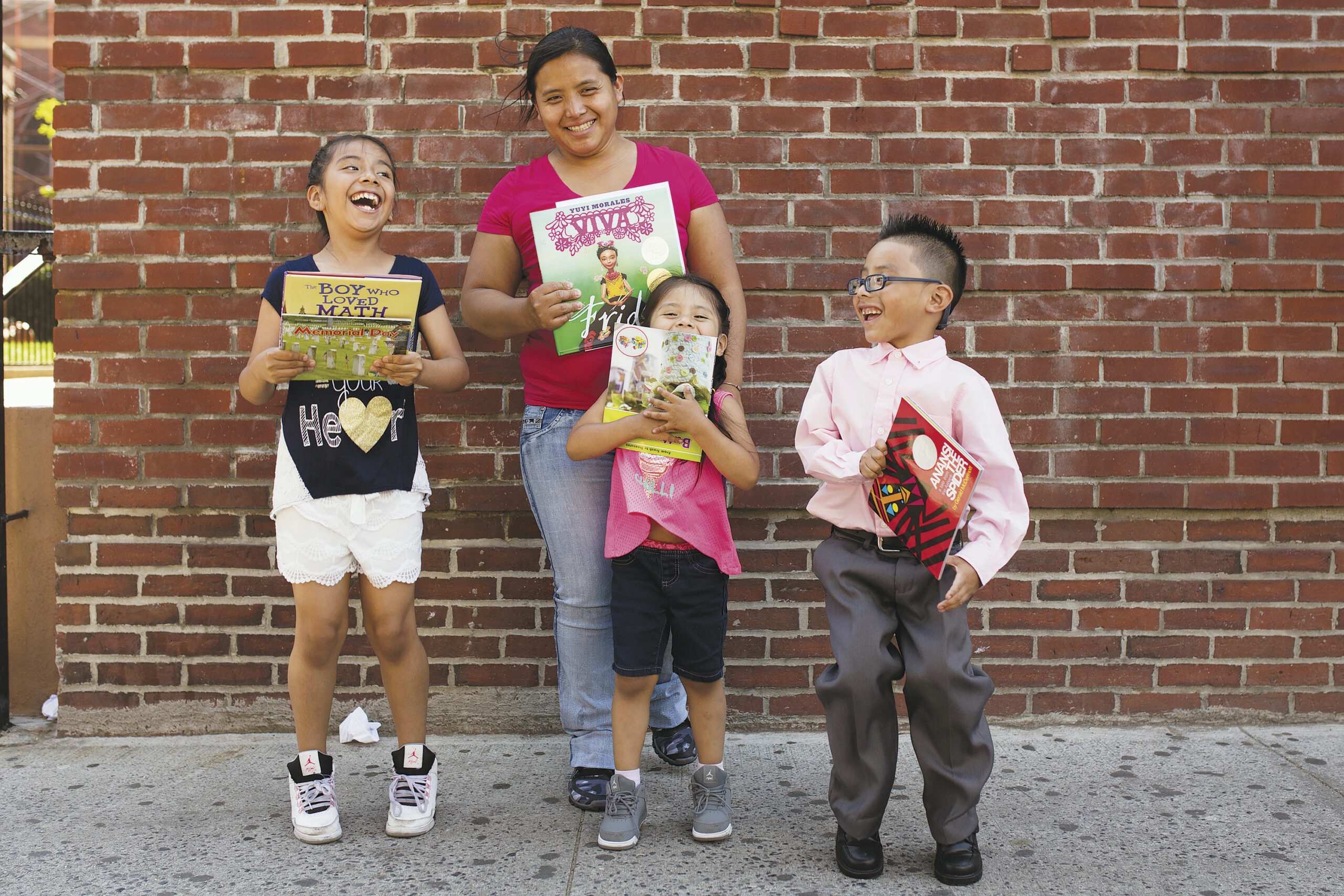
Literacy Partners has long taught adults in New York how to read and improve their English. Several years ago, the 45-year-old charity decided it also wanted to improve the academic prospects of the city’s youngest residents. So the organization reshaped its programs to focus on parents and their young children.
“We’re serving the adult,” says Anthony Tassi, the group’s executive director. “But we have impact on both generations, trying to get ahead of the curve to prevent the next generation of educational failure.”
Adult learners take intensive reading or ESL (English as a second language) classes for 10 hours a week for nine months, near where their children attend Head Start programs. Literacy Partners gives the children age-appropriate books of their own. Instructors get parents comfortable reading the books and coach them on things like how to build reading into the family schedule and what to do if a child squirms.
Early signs indicate it’s working. Children whose parents are in the program show an average of 67 percent more progress on Head Start assessments conducted during the school year than their peers whose parents aren’t in the program. Most of the group’s $2.2 million budget comes from private sources, with about 10 percent drawn from city grants.
The nonprofit encourages its students, many of whom are immigrants, to be visible advocates in their communities. But that has become more difficult because of President Trump’s anti-immigrant rhetoric, says Mr. Tassi. Attendance took a big hit after the election, and participants became more fearful, he says: “People in the community, irrespective of what their [immigration] status was, just kind of hunkered down.”
Students slowly came back, but many are still hesitant to have their name or photograph appear in the organization’s newsletter, which has caused Literacy Partners to rethink its approach.
“We’re firm in our perspective about claiming voice and claiming power and speaking up,” Mr. Tassi says. “But we’re now are a little more cautious.”





