Fund Raising for Chile Earthquake Lags Far Behind Haiti-Relief Totals

By NICOLE WALLACE
Features Editor
March 7, 2010 | Read Time: 2 minutes
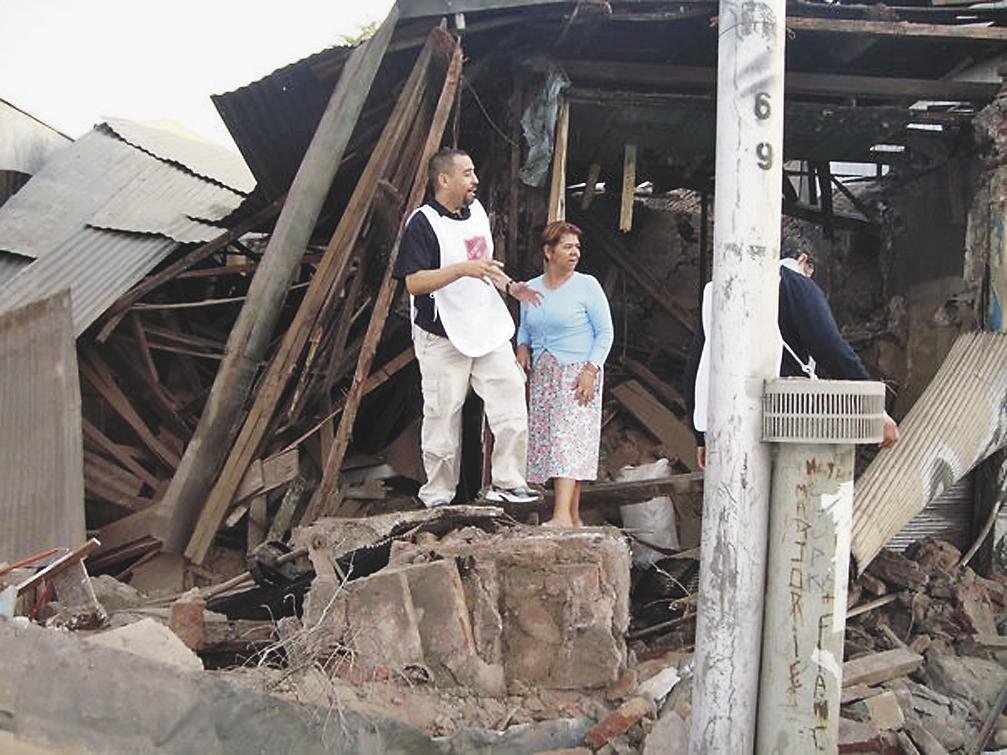
Despite the massive scale of the earthquake that struck Chile, not all U.S. relief groups are raising money to aid survivors—and donations to those that are have been slow, especially in comparison to the outpouring after the January 12 earthquake in Haiti.
That’s largely because the government of Chile is in a far better position to deal with the destruction than the impoverished Caribbean country, according to relief organizations.
Private donations to relief efforts in Haiti now top $895-million, seven weeks after the catastrophe.
Greater Need in Haiti
That number far exceeds what American relief charities expect to raise for Chile.
Four days after the quake in Chile, Oxfam America had received $55,300. By contrast, the organization had raised $4.5-million three days after the disaster in Haiti.
Catholic Relief Services plans to channel the money it raises to Caritas Chile, the social-service arm of the Catholic Church there. In the first three days after the quake, the organization collected roughly $10,000 online.
By comparison, Catholic Relief Services has raised more than $89.7-million for Haiti, a total that continues to rise $2-million to $3-million a day as contributions from local parishes are tallied.
“We don’t expect to see that for Chile,” said Michael R. Wiest, an executive vice president at the charity, who thinks that assistance from other countries in the region, such as Brazil and Argentina, will play a significant role in relief efforts in Chile.
Other groups also reported modest fund-raising totals: AmeriCares ($100,000), Brother’s Brother Foundation ($1,600), Habitat for Humanity International ($138,000), Salvation Army ($50,000), Save the Children ($40,000), and World Vision U.S. ($300,000).
Organizations working in Chile say the conditions there present their own set of challenges. World Vision’s emergency-assessment teams, for example, had to be flown into hard-hit Concepcion by helicopter because roads were impassible. The charity distributed the relief supplies it had stored in the region and is bringing more in from La Paz, Bolivia.
Some Charities Stay Away
Several relief charities have opted not to raise money for Chile for now, saying their efforts are more needed elsewhere.
“Lutheran World Relief works in areas of extreme poverty, and Chile is Latin America’s most developed country,” said Hayley Hontos, a spokeswoman for the Lutheran aid group. But, she said, the Baltimore relief charity is ready to provide help if it becomes needed.
ActionAid, American Jewish World Service, CARE USA, and Feed the Children are among the other U.S. relief organizations that are not accepting donations.
After the government of Chile asked for international humanitarian assistance, the International Federation of Red Cross and Red Crescent Societies made an initial emergency appeal for $6.4-million.
The American Red Cross pledged $250,000 from its International Response Fund and began accepting donations to aid relief efforts.
The California Community Foundation, in Los Angeles, has created a Chilean Earthquake Relief and Recovery Fund, which will accept donations until March 31. The foundation contributed an initial $50,000 to the fund.