

April 7, 2013 | Read Time: 8 minutes
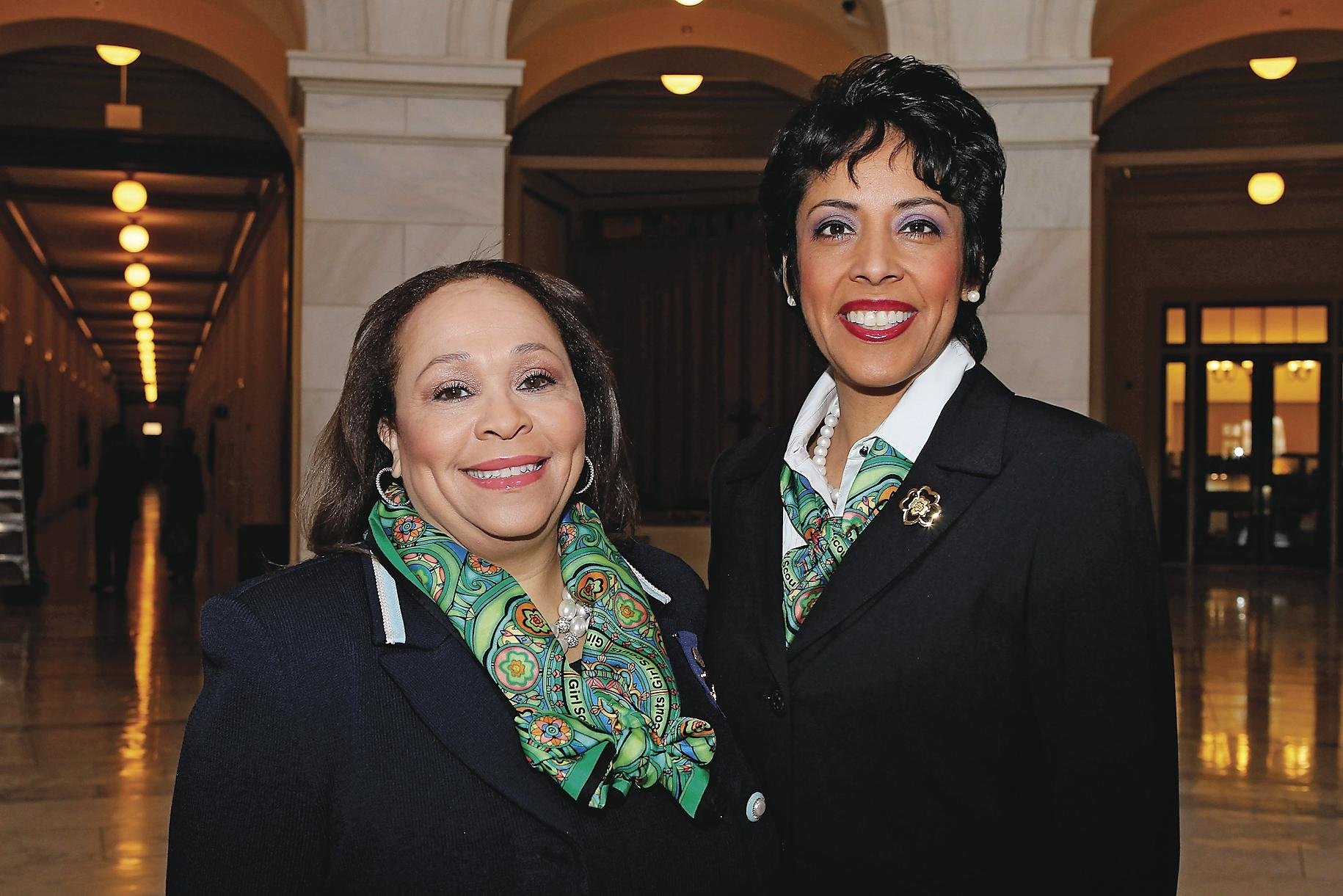
When Anna Maria Chávez was tapped to head the Girl Scouts of the USA in August 2011, the choice delighted some of her future employees at the national headquarters in New York.
At 43, Ms. Chávez was young, charismatic, and about to become the group’s first Latina chief executive. She had a good track record as leader of the local Girl Scouts council in southwest Texas, where she increased both dollars and members.
Some employees were also optimistic their own lives would get better once she joined the organization: They hoped that as the mother of a young son, she would sympathize with their efforts to promote more flexible work conditions.
“We were thrilled,” says one employee. “We could not have been happier.”
Today, that person, who asked to remain anonymous, is far from happy with Ms. Chávez—and she is not alone.
Since Ms. Chávez arrived, the Girl Scouts national staff has been rocked by the departure of six senior managers, including the chief operating officer, chief external-affairs officer, and vice president for finance, plus the abrupt dismissal of four fundraisers. Employees have sent impassioned anonymous letters to the charity’s board alleging age discrimination and bullying and appealed to news outlets to investigate.
“How long will it be before the work environment that Anna has created results in a lawsuit or an employee having a stroke or a heart attack?” says a January letter to Connie Lindsey, the national board president, that an employee sent to The Chronicle.
Complaints Go Public
The conflict went public in February when the New York Post carried an article about staff concerns headlined, “What a Mean ‘Girl’!”
Ms. Chávez, who worked in government before moving to the Girl Scouts, was hired to push forward the youth group’s efforts to modernize, which includes a $1-billion fundraising drive and changes in the way the national office operates.
She and Ms. Lindsey, executive vice president and head of corporate social responsibility at Northern Trust, suggest that the complaints reflect unease about those efforts.
“Change is oftentimes difficult and scary for people and sometimes can be painful,” Ms. Lindsey says, adding that the century-old organization needs to continue to transform itself “to be relevant for the next 100 years.” She adds: “We know we have the right leadership in place for this transformation.”
Passions Run High
Interviews with current and former employees paint a different picture.
“It’s not about change, actually,” one says, noting that the Girl Scouts had undergone many other changes over the years. “It’s about a particular management style and how people are treated.”
It’s difficult to gauge exactly how widespread the employee dissatisfaction is. The Chronicle interviewed six people, with most requesting anonymity, including several employees who said they feared retaliation.
The Chronicle attempted to contact nine people who have left the Girl Scouts since Ms. Chávez arrived, and all but two declined to comment or failed to respond to e-mails or phone calls. But The Chronicle received several letters that appear to be from different upset employees, all of which urged the newspaper to investigate.
Some headquarters employees say they are fans of the chief executive.
“I feel like now my wings are open and I can fly,” says Marjorie Crawford-Dunn, a 27-year Girl Scouts employee who is assistant director of the membership-credentials department and one of two employees suggested for an interview by Victor Inzunza, interim vice president for communications.
Ms. Crawford-Dunn says Ms. Chávez has given her the opportunity to visit Girl Scout chapters to discuss ways to serve members better, something she had wanted to do for years.
“My passion is the girls,” she says. “Now I’m hearing the organization saying it’s the girls.”
Brad Baso, a program manager of strategy and analysis, praises Ms. Chávez’s “vision” and says the employees he works with are confused about the issues raised in the anonymous letters. “We’re not feeling it. We’re not seeing it,” he says.
But passions run high among Ms. Chávez’s detractors. One former manager says she was eager to get out after Ms. Chávez arrived.
“She came in and very quickly, without having any chance of an assessment or listening or any kind of analysis, eliminated a couple of vice-president jobs,” she says. “I think it was very purposeful,” she adds, an attempt to show that “I have the power to fire you, and I just demonstrated to you I can do it.”
Women’s Leadership
Girl Scouts has been working to revamp its programs and operations for almost a decade—a sometimes-traumatic process that has included merging 312 chapters, or councils, into 112.
With both membership and private support on the decline, the group is carrying out a major drive to promote women’s leadership, backed by the major fundraising effort, as well as an effort to recruit 1 million new members over five years.
Ms. Chávez is also leading a project to reshape the 336-member national office to better serve the group’s “customers”—the councils, scouts, and adult volunteers.
But her moves have left some casualties.
In addition to the six senior managers who have left since she took over, two more have announced departures for later this year. According to internal memos, two were told their jobs had been eliminated, and the others resigned or retired.
Peter Johnston, a former speechwriter and communications expert at the headquarters who was dismissed from his job in December, says many employees agree that the office needs to be reorganized. “It’s not like it was the peaceable kingdom around there and this person came in and disrupted everything,” he says.
However, he adds, the current management “put people off enough that there’s not the level of trust that you need to be able to do that.”
Job Eliminations
The decision to dismiss four fundraisers last October appears to have been a pivotal incident for some unhappy employees. One sent a letter to Ms. Lindsey shortly afterward, saying the fundraisers had been told that their jobs had been eliminated due to restructuring, and they were given a couple of hours to pack their personal belongings and leave the premises.
Describing herself as a former Brownie who had always loved the Girl Scouts, she wrote: “Their e-mail access was shut down and their electronic badges were closed. They were not given the opportunity to say goodbye to colleagues. … What did they do to be treated like employees who had been fired for theft?”
Their departures left other staff members with a survival mentality, employees say, prompting some to take home their shoes and other personal belongings in case they were the next to be fired.
Deborah Taft, the organization’s senior vice president for fund development, who is building up the development department to carry out the new fundraising drive, declined to comment on the dismissals, but one of the fundraisers who left confirmed the accuracy of the letter’s description.
Workplace Flexibility
Employees also complain that Ms. Chávez was dismissive at a brown-bag lunch about proposals to introduce more workplace flexibility, saying she hadn’t seen her son for the first four years of his life—almost like a “badge of honor,” the former manager says.
They say she also complained at a staff meeting that national employees were overpaid and provided poor service to councils and that hundreds of people had applied for one of her job openings.
One employee who said he or she was writing on behalf of three colleagues sent a letter to trustees in November accusing Ms. Chávez of pushing out older, experienced employees and replacing them with younger ones. The letter also accused her of “yelling, tirades, and volatility.”
However, the complaints have all been anonymous, something that Ms. Chávez was quick to note in a brief interview.
“That’s not the Girl Scout way,” she says. “A part of our promise is to speak of issues and be direct about it.”
She declined to answer questions about specific personnel matters but says the organization needs the right “skill sets” so it can carry out its plans to transform the Girl Scouts.
“From the very beginning of this change starting in 2005, it was clear that we needed to understand that we may have to look at a different business model in Girl Scouting, that the way we’ve done Girl Scouting for 100 years may have to shift based on the fact that girls are different than they were 20, 30 years ago. That has actually brought a lot of excitement for staff here.”
She says a presentation about the office’s new customer-friendly focus at a staff meeting the day before had met with “thunderous applause.”
Ms. Chávez denies that she opposes flexible work arrangements. “I wholeheartedly support both men and women having flexibility in the workplace,” she says. “I’ve been very upfront with my team about the sacrifices I’ve made.”
Several employees say Ms. Chávez has modified her behavior in recent weeks, taking a more collaborative approach and refraining from publicly criticizing staff members. Ms. Chávez did not respond to requests from The Chronicle for comment on that and some of the other statements made by her colleagues.
But for the record, she says she thinks highly of her staff: “I’m very excited to lead this organization with individuals who are ethical, who are passionate, who are just amazing individuals to work with.”
Holly Hall contributed to this article.
Exodus of Top Leaders at Girl Scouts of the USA
Following are top management changes at Girls Scouts of the USA national headquarters since Anna Maria Chávez became chief executive in November 2011.
Resignations
Chief external affairs officer (Timothy Higdon left June 1, 2012)
Vice president for communications (Denise Pesich left June 15, 2012)
Vice president for finance services and technology (Margie Wang left June 15, 2012)
Retirement
Chief operating officer (Jan Verhage left June 30, 2012)
Positions Eliminated
Senior vice president for governance and administration (Deborah Long left February 1, 2012)
Senior vice president for public policy and advocacy (Laurie Westley left February 1, 2012)




