February 7, 2017 | Read Time: 4 minutes
ALEXANDRIA, VA.
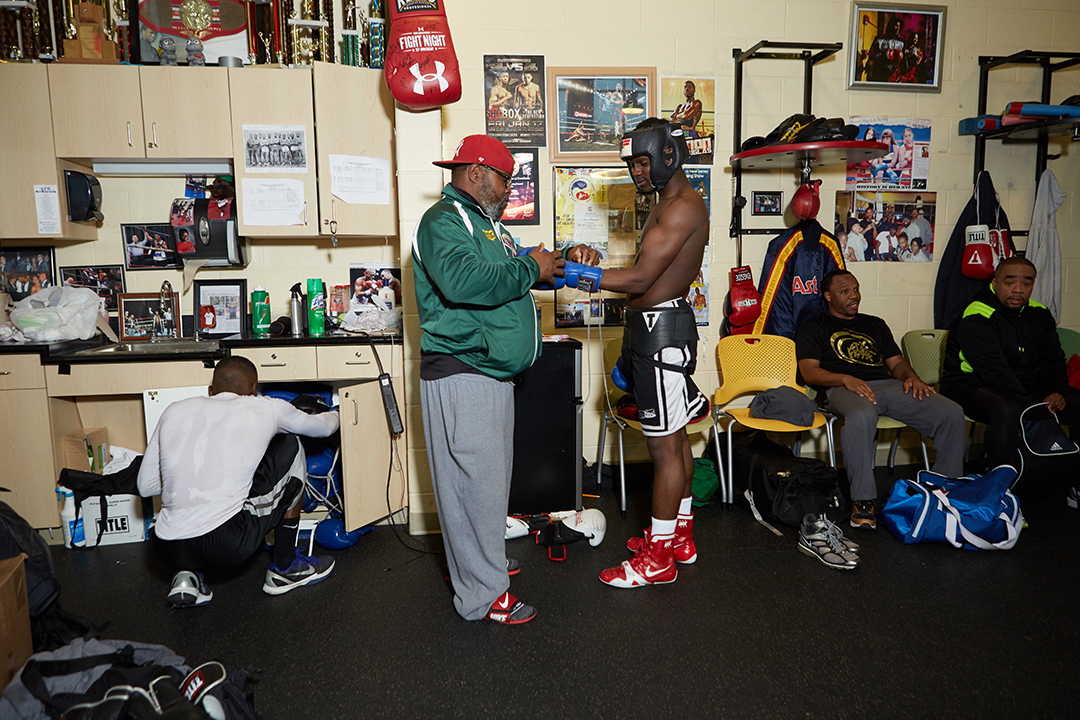
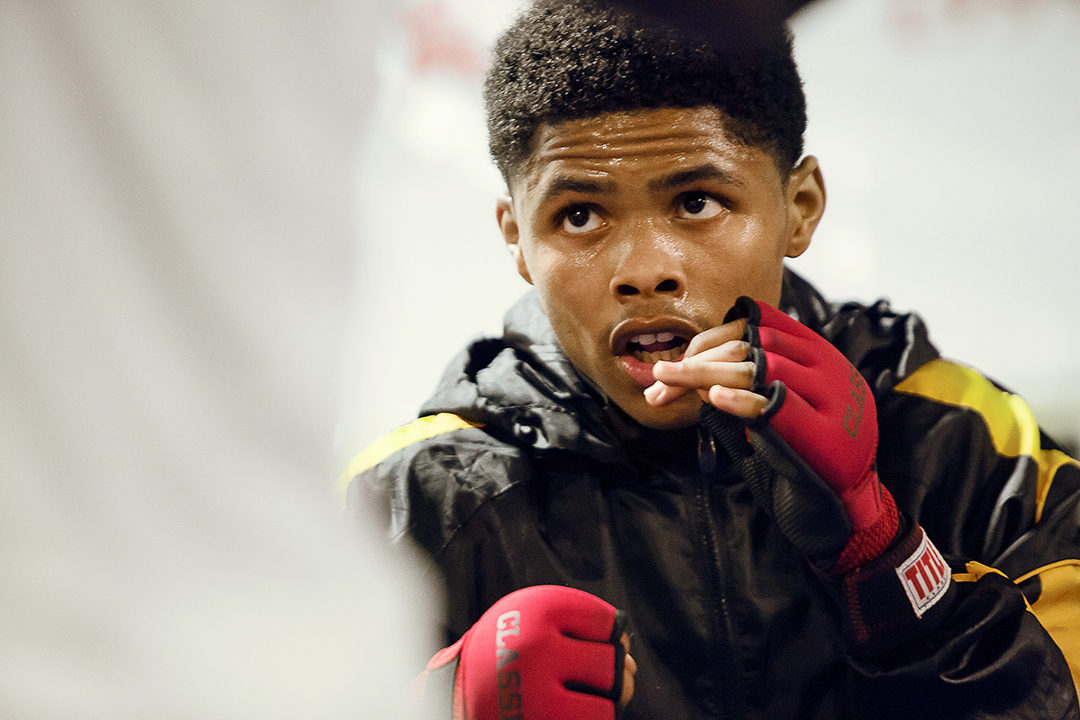


Trophies glitter in one corner of the Alexandria Boxing Club. Across the room, a young man sweats while jumping rope. Hard work and its rewards are on prominent display at this nonprofit, which for decades has turned kids growing up in rough circumstances outside Washington, D.C., into boxing champions.
Its budget: $40,000.
On a Wednesday evening, a student holding hand weights shadowboxes around the perimeter of the gym’s boxing ring. Kay Koroma — known as Coach K — hops over the ropes to correct his technique.
Mr. Koroma, who is also a coach for the U.S. national team, learned to box here as a kid. Growing up “seeing a lot of things,” he knew instinctively that “your hands could answer questions for you.”
But he learned that facing a competitor in the ring requires more than a fighting spirit. “You didn’t just react,” he says. “You had to use your mind. Boxing showed me how to do things differently.”
It’s a philosophy he tries to impart at the club, where he comes six days a week to train children and teenagers in what gym manager Dara Shen calls “the art of hitting and not getting hit.”
Developing discipline is both the biggest challenge boxing poses and the greatest gift it offers, coaches and students say. It requires pushing through the pain of training for hours each day.
“I don’t remember what it’s like to have my body not hurt,” jokes Iesha Kenney, 19, who has been training at the gym since she was 11.
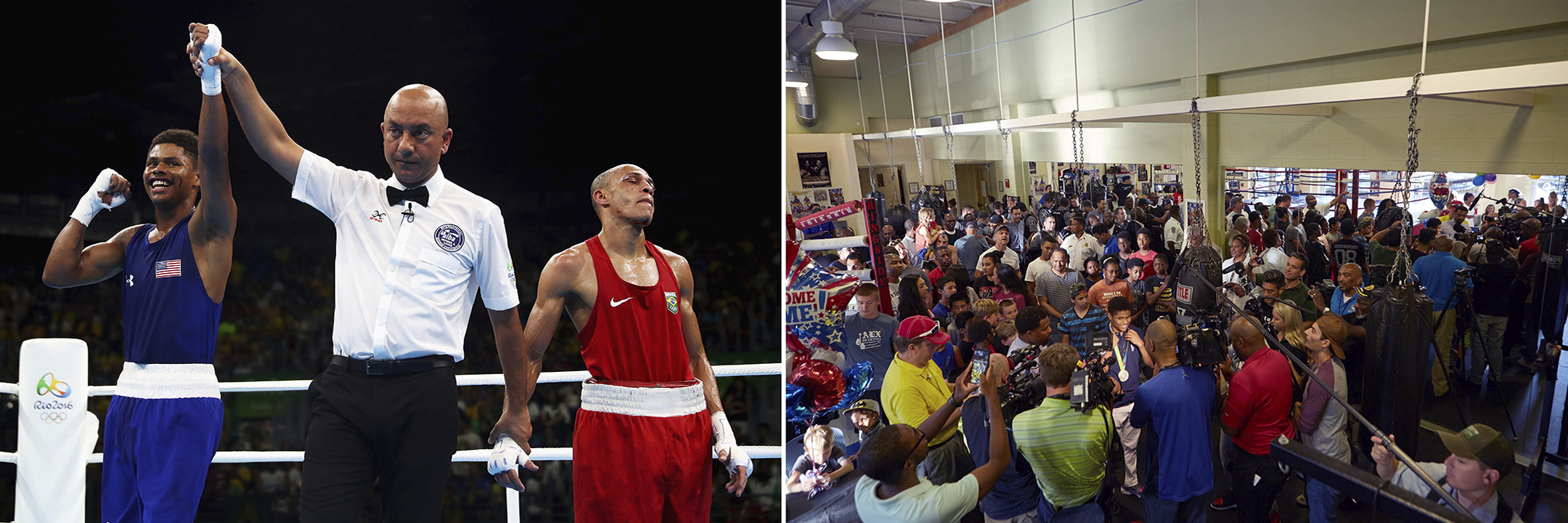
That discipline can pay off in the ring. Ms. Kenney, currently a student at Virginia Tech University, has twice won bronze medals at the Youth World Boxing Championships. Her buddy Antoine Douglas, 24, is a professional fighter with a 19-1-1 record who has held a World Boxing Organization title in his weight class. Fellow club member Shakur Stevenson, 19, won a silver medal at the 2016 Olympic Games in Rio.
It can also pay off in the classroom. Program participants have to present coaches with their report cards to prove they’re succeeding in school.
“We teach kids respect, to stay focused,” says Dennis Porter, who has coached at the Northern Virginia club for nearly 30 years. “They’re learning how to take instructions and criticism. If you do it here, you can do it in school.”
In the process of becoming champions, the boxers have also become role models. Mr. Douglas, who grew up in foster care, takes that job seriously. He recalls the time a young boy asked, after a round in the ring, “‘Did I look like Antoine?’”
“You want to be that good guy people see you as,” Mr. Douglas says. “Eyes are on you. It’s crazily impactful.”