October 28, 2012 | Read Time: 3 minutes
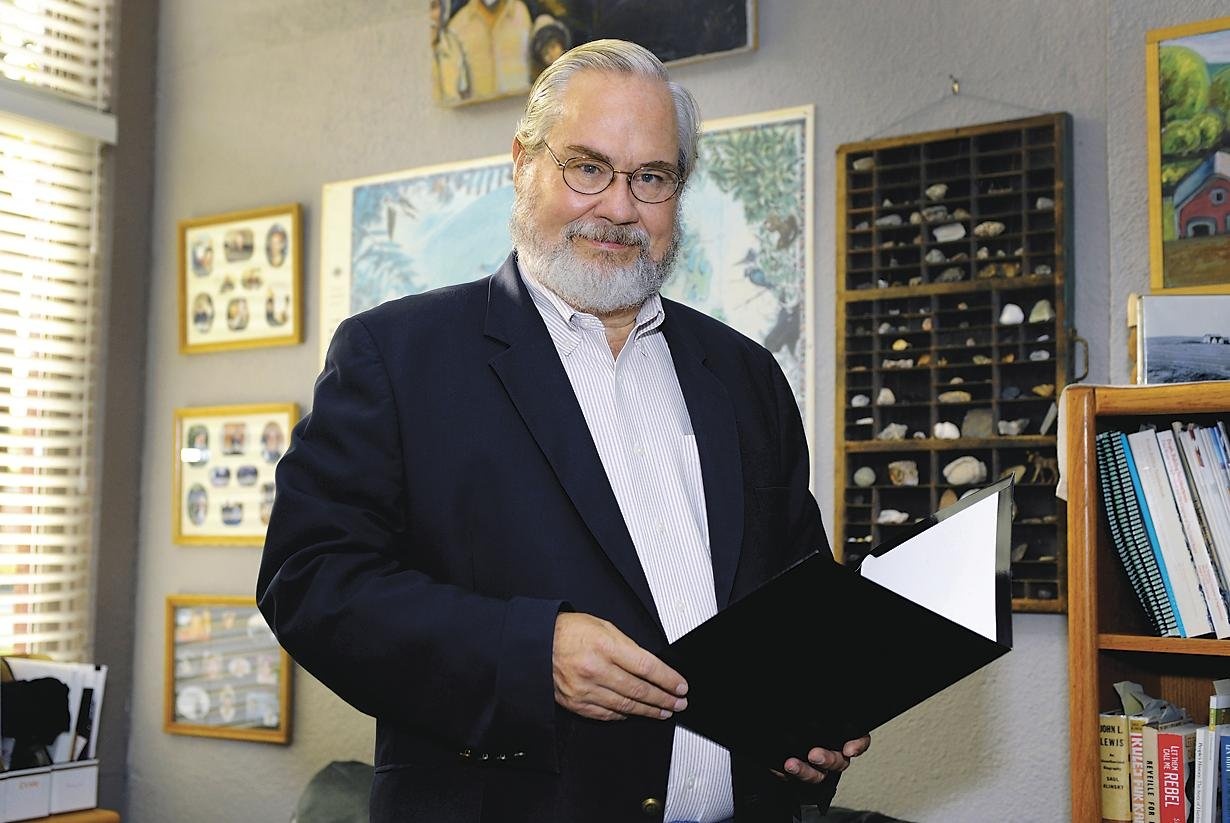
In 2008, David Beckwith received a call that an employee of Acorn, one of the country’s largest community-organizing groups, had embezzled nearly $1-million. What’s more, the whistle-blower said, Acorn’s executive director, Wade Rathke, had cloaked the scandal.
As someone who had supported Acorn, Mr. Beckwith, executive director of the Needmor Fund, in Toledo, Ohio, felt compelled to take two controversial steps.
First, he stopped Needmor grants to Acorn. Then, after Acorn’s leadership dismissed its executive director and began to revamp the nonprofit, Mr. Beckwith lifted the suspensions and resumed payments—just when many national organizations and politicians fled from any association with the disgraced New Orleans charity.
For weeks, conservative politicians and pundits skewered Acorn and its supporters. But today Mr. Beckwith, 61, has no second thoughts.
“I’m proud of the fact that Needmor never pulled me back when we were backing some controversial groups,” says Mr. Beckwith, who will step down from the $24-million fund on December 31, after running Needmor for 10 years.
“We may not agree with what they want, but they have a right to want it and pursue it,” he says.
Frank Sanchez, a senior program officer at the foundation, will become its executive director.
Broadening Focus
Needmor began in 1956 with the Stranahan family’s Champion sparkplug wealth, and was named after the family property. (The previous owner, a horse farmer, called it “Needmor Farm” because those with horses always “need more” money to maintain them.)
Until Mr. Beckwith arrived, the grants went mostly to charities long supported by the Stranahans. But at the family’s behest, Mr. Beckwith retooled the fund to support social-justice causes nationwide.
With Mr. Beckwith at the helm, Needmor’s money helped ensure that jobs related to the redevelopment of the port of Los Angeles went to local residents. It helped workers’ coalitions buy stock so they could attend Yum Brands shareholder meetings and protest the exploitation of low-wage migrant workers in Florida. Needmor poured money into rebuilding post-Katrina New Orleans.
Mr. Beckwith says he plans to volunteer after he leaves his position at Needmor; he is a consultant to a network of Central and Eastern European community organizations.
He’ll also fish and pursue his new passion: singing in opera choruses near his home in Toledo. (He’s about to appear in a performance of “La Boheme.”)
His plainspoken, thumb-in-the-eye style dates back to the year he dropped out of the University of Massachusetts and took a job lugging bolts of cloth at the Lyman Curtain Company, in Holyoke, Mass.
After a year of sweaty work, he learned that a Providence, R.I., nonprofit group wanted to hire a community organizer. Mr. Beckwith gave notice to Lyman’s management.
Don’t tell the others, a manager said, but the company was closing and moving to South Carolina. He was asked to stay on and become a manager.
“I thought, what, are you people stupid?” Mr. Beckwith recalls.
He told his co-workers about the impending closing; ultimately, most lost their jobs, he says: “There was no union. No voice for the worker.” He got the Providence job and never returned to college.
“It’s hard to say to my kids, ‘get an education,’” he says. “I’m in a field where credentials don’t mean much.”