
Health Charities Posted 4.2% Gain in 2009 Donations, Report Says

By Jacquelyn Kasuya
Contributor
June 8, 2010 | Read Time: 2 minutes
Following a 6.5-percent decline in 2008, giving to health charities increased by 4.2 percent in 2009, to a total of $22.46-billion, according to Giving USA.
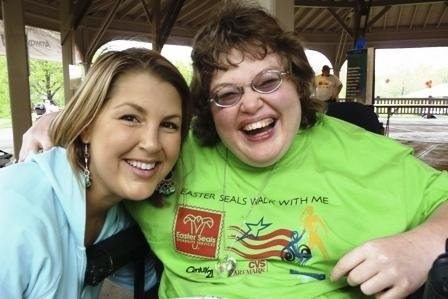
Easter Seals, the national charity that helps children with disabilities, had a strong year: Giving increased by 10 percent in 2009, to $190-million.
The charity says the growth primarily comes from stepped-up efforts to invite donors to its centers to show them how their donations have been put to use. In addition, the charity is working to create a stronger online presence.
Maureen Haller, vice president of direct marketing and development services at Easter Seals, says it’s too early to say whether those efforts are making a difference, but responses to direct-mail appeals so far are strong.
Other health organizations are continuing to struggle. Contributions to One Heartland, a Minneapolis group that provides programs for children with HIV or AIDS and those who have lost parents or other relatives to the disease, decreased by 40 percent in 2009, to $2.5 million.
Martha Moriarty, director of development, says that the recession greatly affected giving to the charity. She says that every type of fund raising the group conducts—including special events and direct mail—produced diminished results, and the organization was unable to renew several foundation grants.
She notes that the charity responded by laying off staff members and cutting other expenses but still ended the year with a net loss of $750,000. The charity is now trying to bolster its annual fund by 20 percent. So far, the annual-fund appeal, which started May 1, has raised $50,000 of its $300,000 goal. One Heartland is now focusing on personally reaching out to donors and encouraging them to give in whatever way they can, such as lending contact lists or organizing campaigns to persuade their co-workers to give.
“We haven’t seen an increase yet, but our donors understand the situation we’re in and are working with us to make sure our programs are effectively delivered,” says Ms. Moriarty. Nonprofit hospitals have shown few signs they are recuperating from the recession. The Association for Healthcare Philanthropy, which represents hospitals and medical centers, found that donations to 433 hospitals and medical centers fell by 11 percent last year.
At Evergreen Healthcare Foundation, in Seattle, donations dropped 15 percent last year.
The hospital foundation, which raises money for Evergreen’s services, held a luncheon in November for the first time in an attempt to attract holiday-time gifts and raised $70,000. But Kae Peterson, the foundation’s executive director, said other special fund-raising events have not done well, and many donors are making smaller gifts or not giving because of the downturn, she says.
Evergreen has recently started asking former patients to make donations in honor of a staff member who helped them during their hospitalization. Ms. Peterson says such efforts are a key to thriving in tough times because they remind potential supporters about the profound impact a hospital can have on someone’s life.




