
Heinz Fund CEO Retires Amid Controversy Over Fracking Grants

By Michael Anft
Contributor
October 20, 2013 | Read Time: 4 minutes
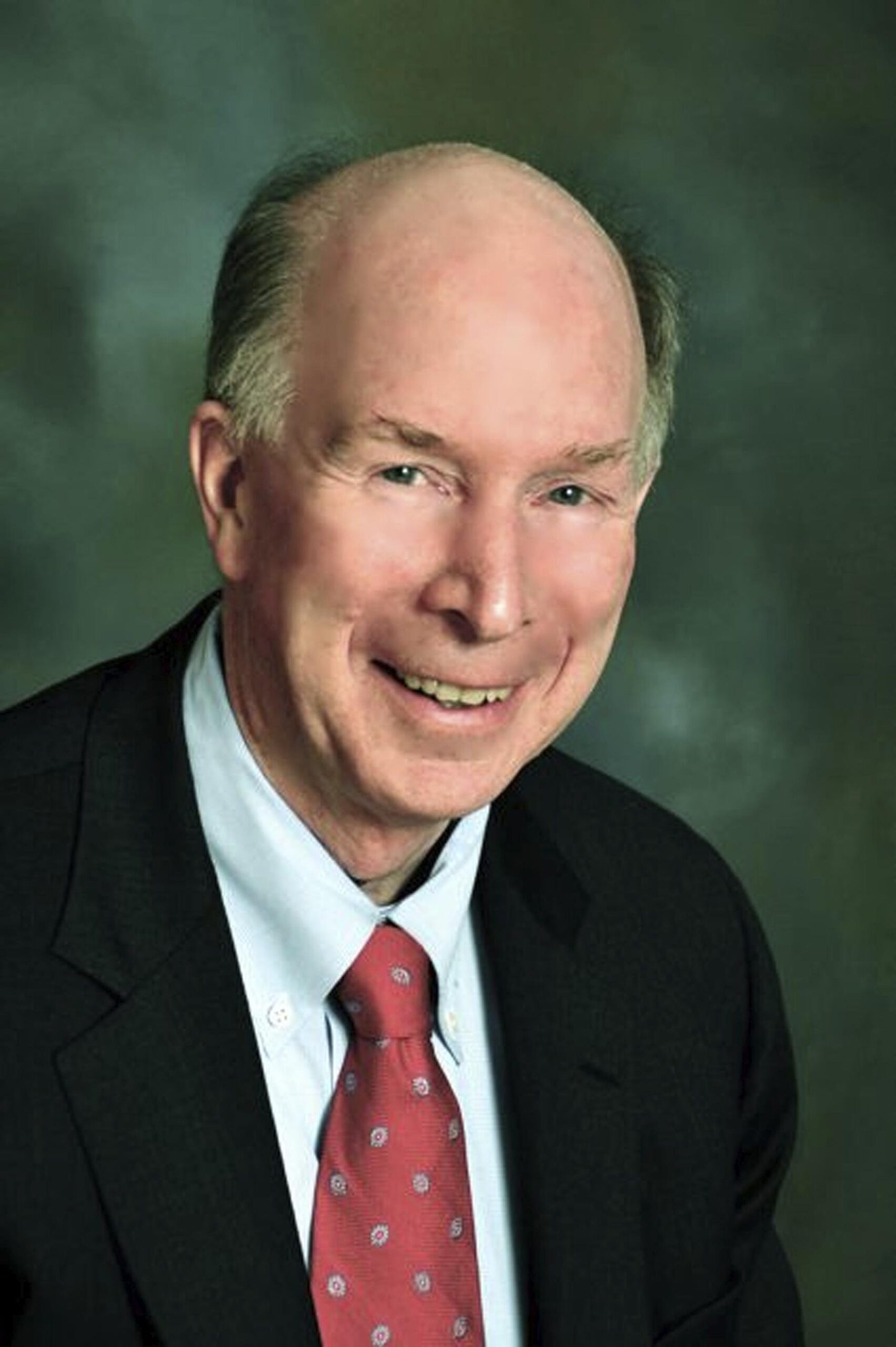
Amid signs that the debate over fracking grants is taking a toll on the Heinz Endowments, the foundation announced this month that Robert Vagt, its chief executive, is retiring.
In August, the Endowments fired its longtime director of environmental grant making and its director of communications, leading to speculation that Mr. Vagt was under pressure to reshape Heinz’s environmental priorities.
However, Mr. Vagt, as well as some of his colleagues in the nonprofit world, said the decision was simply a realization that it was a good time to retire. “As looming on the horizon is my 67th birthday, this seemed to be an appropriate time for me to step down,” Mr. Vagt said in a public statement.
But Kevin O’Connor, head of a watchdog group that has called attention to Mr. Vagt’s ties to a gas-pipeline company, said the foundation chief’s decision may signal bigger changes for the grant maker than just a new leader.
“We’re hoping that his resignation is a sign that Heinz may be more accountable in the future when it comes to fracking,” says Mr. Connor, director of the Public Accountability Initiative.
Ties Questioned
Carmen Lee, a spokeswoman for the Heinz Endowments, declined to comment on when Mr. Vagt would leave his job, when the grant maker plans to hire a replacement, and whether internal or external pressure over Heinz’s work related to gas drilling in Pennsylvania and Mr. Vagt’s ties to the fracking industry played a factor in his decision to leave the job, which pays $455,000 a year. Mr. Vagt could not be reached for comment.
Heinz, a $1.4-billion foundation based in Pittsburgh that made $75-million in grants in 2012, is one of the 50 largest grant makers in the United States. It supports groups mostly in southwestern Pennsylvania whose efforts focus on arts and culture, community and economic development, education, the environment, and families and children.
Heinz’s support of the Center for Sustainable Shale Development drew scrutiny last summer. The center works to craft standards designed to make fracking—the process of separating natural gas from shale rock—safer.
The Public Accountability Initiative reported in June that Mr. Vagt served as a director of the pipeline firm Kinder Morgan, which performs fracking work in Pennsylvania. The foundation chief also held stock in the company worth $1.2-million.
When Mr. Vagt’s interest in Kinder Morgan was publicized, some saw his role at the center as a conflict of interest.
“We saw it as a clear gap in disclosure, especially since the center billed itself as a neutral intermediary” in the fight over fracking, says Mr. Connor. “The episode suggested that the foundation didn’t manage things properly when it comes to being transparent. People below Vagt suffered from that lapse.”
Financial Expertise
Those who have worked closely with Mr. Vagt say that his expertise, particularly in finance, will be greatly missed in Pittsburgh, a resurgent city that still faces persistent pollution and poverty.
An ordained Presbyterian minister and a former college president, Mr. Vagt has experience as a financial manager that includes serving in the 1970s as head of an agency that helped New York City avoid bankruptcy. That kind of experience has been especially useful to other Pittsburgh grant makers who have joined Heinz in developing or leading programs.
“Bobby is as adept a financial mind as any I’ve ever met,” says Grant Oliphant, president of the Pittsburgh Foundation. “He always asks tough questions about how things will be paid for and wants to make sure the money is used in the best way possible.”
Those who have worked with Mr. Vagt on the fracking issue and activities of the Center for Sustainable Shale Development also say he will be missed.
“Bobby’s leadership in putting the center together and getting it off on the right foot—making sure it has integrity—has been very important to the project,” says Mark Brownstein, chief counsel at the Environmental Defense Fund, one of the center’s member groups. “I’m hoping we’ll be able to count on Bobby’s help as we go forward.”
Mr. Oliphant says the fracking issue has little to do with Mr. Vagt’s departure. “He has been talking about his retirement for years. Heinz is moving into some strategic planning, and he sees that they need someone to lead who will be there for a good while,” he says.
“I take his resignation at face value,” adds Mr. Brownstein. “He’s had a distinguished career and now wants to spend more time with his family.”






